



The European Parliament’s agriculture committee is to vote on Monday on setting out its priorities for the next CAP, which will come into play from 2028 onwards.
A cross-party report has been agreed that seeks an “increased” budget for CAP and looks to keep CAP funding ringfenced amid recent pressure to merge farmers’ funds with other funding streams.
The agriculture committee is set to approve this report, which also calls for the CAP budget pegged to annual inflation.
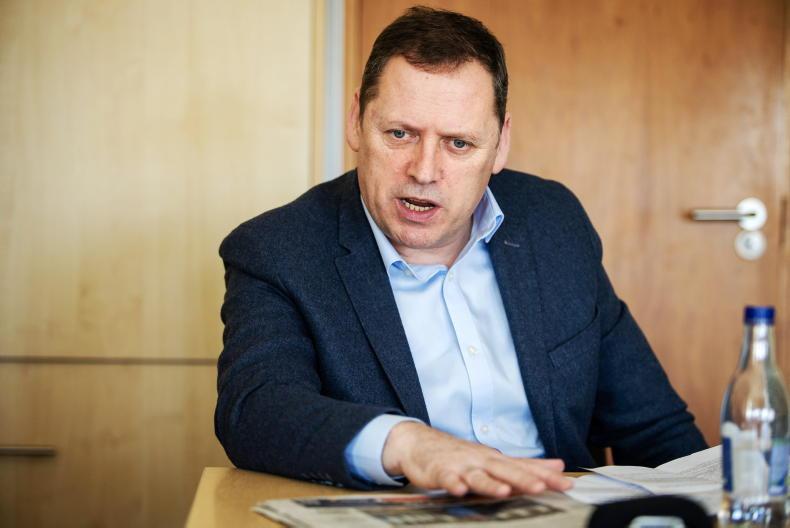
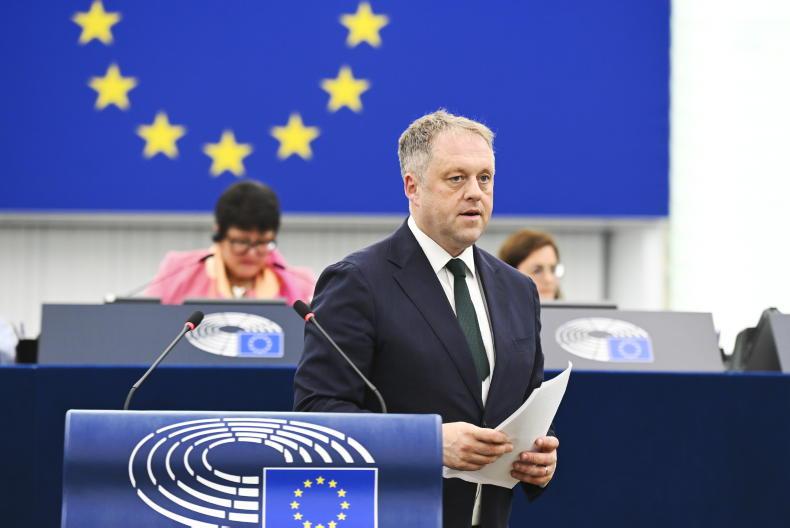
Fianna Fáil MEP and former Minister for Agriculture Barry Cowen led the Renew group’s position on the report.
Cowen hailed the vote as a “critical step” for MEPs to set out their priorities for the next CAP ahead of the European Commission’s official proposals, which are expected to be published over the coming weeks.
“The process – meeting hundreds of stakeholders across Europe before engaging in detailed technical and political negotiations – is one I relished and look forward to repeating many times,” he said.
“While not every proposal I put forward in my recent position paper on the future of European agriculture made it into the final version, I’m satisfied that a large number of my key asks are reflected – particularly on food security, stronger environmental rewards for farmers and the simplification agenda.
“This vote, I hope, will send a clear message to the Commission ahead of its upcoming MFF [EU budget] and CAP proposals: agriculture is not a footnote to Europe’s security – it’s central to it.
“If we want more from our farmers, we must match that with more meaningful support.”
The Midlands-Northwest MEP criticised previous approaches which caught farmers between “rising expectations and falling incomes”.
He was particularly critical of the speculation that the CAP budget could be merged with other funding streams, stating that the move would be a “historic mistake”.
“Farmers need predictability, not political games. Equally, however, I will not be distracted by debate around the CAP’s structure and will not accept stagnant funding even if the current format is retained.”
Cowen said that the spending power of CAP could more than half by 2034 if there no inflation adjustment factored into the proposals.



SHARING OPTIONS