



The Irish Creamery Milk Suppliers’ Association (ICMSA) is urging farmers to be vigilant in the coming weeks as the threat of bluetongue virus (BTV) spread increases due to fine weather conditions.
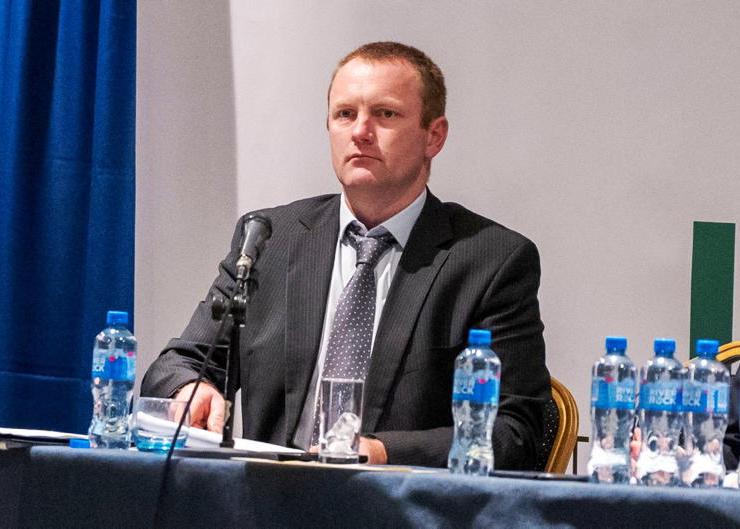
ICMSA livestock committee chair Michael O'Connell said we are now entering a high infection period for the disease, which is airborne and spread by midges.
Currently, Ireland is one of the only countries in the EU that is bluetongue-free and it is of utmost importance that we retain this status, O'Connell added.
“Early detection is key and presently the midges, which act as vectors for the disease, are extremely active.
“Midge activity increases once mean temperatures increase to over 12°C and considering the summer we have had so far, we have to assume more midge activity,” said O’Connell, who noted that farmers must be on alert until at least mid-October.
The livestock chair said the Department of Agriculture is doing everything possible and running monitoring programmes across the southeast to ensure that any suspect case or fallen animal with unknown causes is being tested.
‘Unique position’
The livestock chair said if farmers are unsure of the health status of an animal or reasons surrounding a death, they should contact their local regional veterinary office (RVO) or local vet.
“We need to remain bluetongue-free to keep up the demand for live exports that are keeping up the price of beef,” he stated.
Bluetongue is a notifiable exotic disease, originating in north Africa, from where it has spread and caused damage to farm families across the EU.
The effects of the disease on herds and flocks include serious illness, death, or, in cases where animals survive, immune system suppression, fertility issues and milk yield suppression.
Bluetongue primarily affects cloven-footed animals.


SHARING OPTIONS