There are enough farm building projects in the pipeline for 2026 to make it a bumper year for builders, agri-design and planning, say consultants.
However, they cautioned that much of this work will only happen if the nitrates derogation is retained.
Bertie Troy of Cork-based Grasstec Group said the “pipeline of work” for 2026 was really building up.
“The appetite for investment is back, confidence is back, and we are seeing a lot more activity,” Troy maintained. “In 2023 and early in 2024 the demand for design and planning work fell off the cliff, but things turned in August or September last year and since January we have really seen farmers engaging again on projects,” he said.
“In many ways, it has the same feel to it as 2014, 2015 or 2016,” he added.
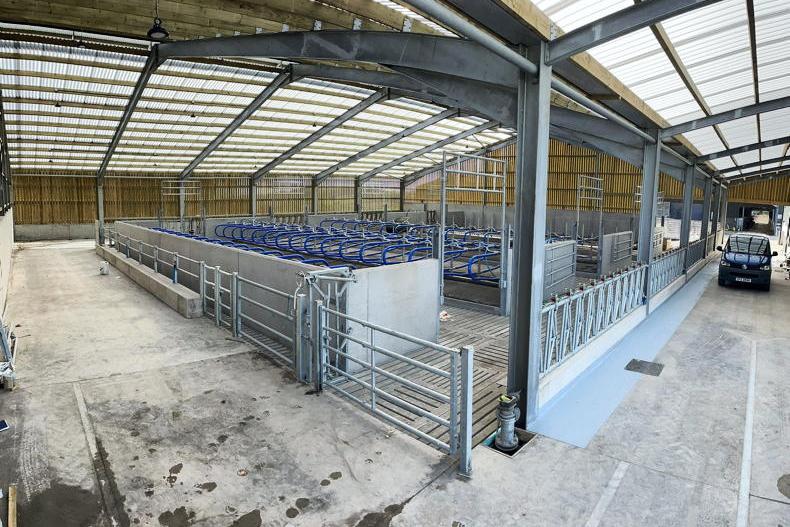
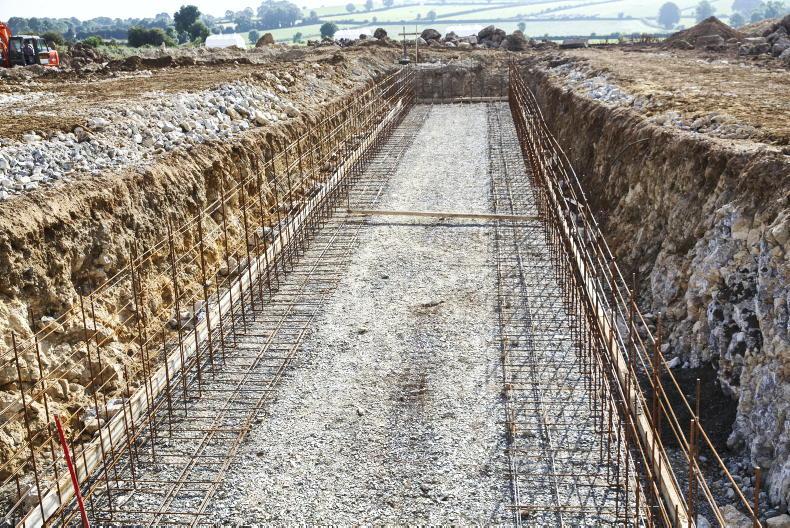
The majority of the work is for slurry storage and calf housing for the dairy sector. However, some farmers are considering additional cubicle sheds and other housing, Troy explained.
There has also been a lot more interest from beef and suckler farmers this year, on the back of record-breaking cattle prices.
“There’s certainly a higher proportion of beef farmers looking at investing. The work is mainly around winter accommodation and improving farmyard facilities,” Troy said.
While much of the preparatory work has already been done in terms of securing planning and finalising grant applications, Troy claimed that many farmers were awaiting a decision on the nitrates derogation before finally committing to projects.
“People can have planning and the grants lined up, but they will only pull the trigger if there is clarity on the derogation,” Troy insisted.
Aidan Kelly of Agri Design and Planning Services in Tipperary agreed.
“I have a number of dairy clients who have the planning in place and are ready to invest, they are just waiting on a decision on the derogation,” Kelly said.
He maintained that farmers were not willing to commit to projects they won’t need if the derogation is lost.

Bertie Troy
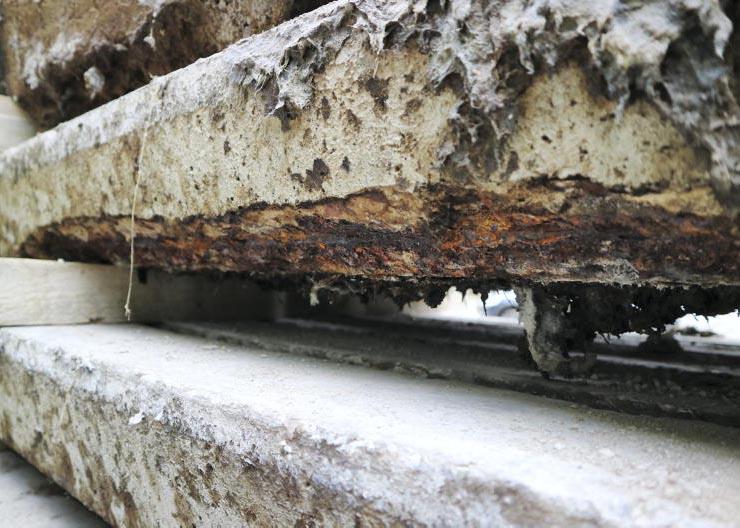
“I have farmers who have planning there for additional slurry storage that they need to put in place to be compliant with regulations but which they won’t need if the derogation goes and they lose 30 or 40 or 50 cows,” Kelly
pointed out.
Kelly cautioned that the continued uncertainty around the derogation was putting farmers at risk of fines or direct payment penalties.
“Some of these farmers are coming under pressure from local authorities but they are reluctant to put in the extra slurry storage unless they have to, and they won’t know if they have to or not until there is an answer on the derogation,” he maintained.
There are enough farm building projects in the pipeline for 2026 to make it a bumper year for builders, agri-design and planning, say consultants.
However, they cautioned that much of this work will only happen if the nitrates derogation is retained.
Bertie Troy of Cork-based Grasstec Group said the “pipeline of work” for 2026 was really building up.
“The appetite for investment is back, confidence is back, and we are seeing a lot more activity,” Troy maintained. “In 2023 and early in 2024 the demand for design and planning work fell off the cliff, but things turned in August or September last year and since January we have really seen farmers engaging again on projects,” he said.
“In many ways, it has the same feel to it as 2014, 2015 or 2016,” he added.
The majority of the work is for slurry storage and calf housing for the dairy sector. However, some farmers are considering additional cubicle sheds and other housing, Troy explained.
There has also been a lot more interest from beef and suckler farmers this year, on the back of record-breaking cattle prices.
“There’s certainly a higher proportion of beef farmers looking at investing. The work is mainly around winter accommodation and improving farmyard facilities,” Troy said.
While much of the preparatory work has already been done in terms of securing planning and finalising grant applications, Troy claimed that many farmers were awaiting a decision on the nitrates derogation before finally committing to projects.
“People can have planning and the grants lined up, but they will only pull the trigger if there is clarity on the derogation,” Troy insisted.
Aidan Kelly of Agri Design and Planning Services in Tipperary agreed.
“I have a number of dairy clients who have the planning in place and are ready to invest, they are just waiting on a decision on the derogation,” Kelly said.
He maintained that farmers were not willing to commit to projects they won’t need if the derogation is lost.
Bertie Troy
“I have farmers who have planning there for additional slurry storage that they need to put in place to be compliant with regulations but which they won’t need if the derogation goes and they lose 30 or 40 or 50 cows,” Kelly
pointed out.
Kelly cautioned that the continued uncertainty around the derogation was putting farmers at risk of fines or direct payment penalties.
“Some of these farmers are coming under pressure from local authorities but they are reluctant to put in the extra slurry storage unless they have to, and they won’t know if they have to or not until there is an answer on the derogation,” he maintained.






SHARING OPTIONS