



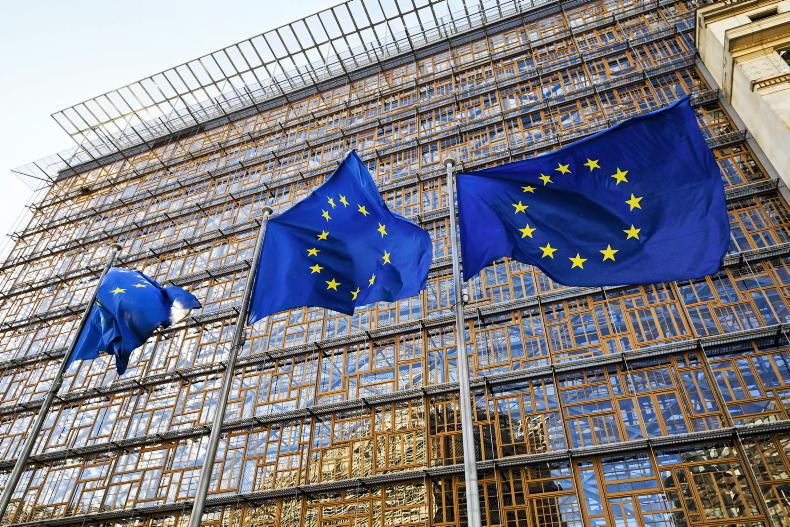
The European Commission has got the ball rolling on approving the EU-Mercosur free trade agreement.
On Wednesday, it tabled a series of proposals to the European Council.
It expects the deal will come into force in around one-and-a-half years.
The agreement with the countries of Argentina, Brazil, Paraguay and Uruguay will need the approval of at least 15 member states representing 65% of the EU’s population before going to the European Parliament, where a simple majority would see the deal take effect.
The national parliament of EU countries, such as the Dáil, do not need to approve the deal because of the way the Commission structured its proposals.
Minister for Agriculture Martin Heydon stated that the Government “has concerns on the preferential access being given to Mercosur, if South American farmers are not subject to the same sustainable farming standards as our own farmers”.
France and Poland are among those remaining vocal in their opposition to the deal.
The Commission said that the deal’s safeguard tool could be triggered if European markets were disturbed by an influx of South American produce, such as beef.
Mercosur countries would have a reduced 7.5% tariff rate across 99,000t of beef, with just under half of this quota being made up of frozen beef, but this lower tariff rate could be suspended if it was deemed that this beef brought a sufficiently large shock to EU markets.
Brussels said that the 99,000t quota represents around 1.5% of total European beef production and is less than half of the current imports received from Mercosur countries.
The Commission also clarified that the €1bn Mercosur fund secured in 2019 by the then-Commission for Agriculture Phil Hogan has been subsumed into the €6.3bn ‘unity safety net’ proposed in the next long-term EU budget, which would have to cater for all EU agricultural crises from trade, to animal diseases and weather.



SHARING OPTIONS