




The Environmental Protection Agency has moved to confirm that there is no evidence linking North Cork Creameries to the recent fish kill on the Blackwater river.
This clarification has been welcomed by the co-op, which has been the subject of intense public scrutiny since the EPA published details of breaches by the co-op of its environmental license in the wake of the large fish kill that occurred on the Blackwater river.
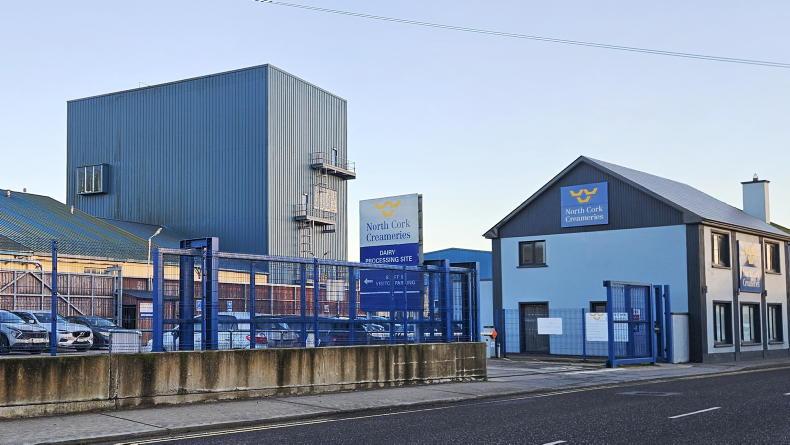
At no time did the EPA link these breaches with the fish kill, which occurred 10km downriver of North Cork’s Kanturk dairy processing facility.
The EPA has further clarified that North Cork was one of no fewer than 29 separate facilities within the Blackwater river’s catchment that have been investigated following the large fish kill on 12 August.
This includes 10 licenced industrial sites (of which North Cork Creameries is one), 17 wastewater discharges and two drinking water plants.
Eight of the wastewater plants hold wastewater discharge licences, the other nine hold certificates of authorisation.
The two drinking water plants “use chemicals for coagulation and flocculation”, the EPA explained.
Enforcement action
The EPA also confirmed that a number of licenced sites “were not in compliance with certain licence conditions during the period, which are the subject of separate enforcement actions”.
The EPA has said that “it has not identified a causal link between discharges from the EPA-regulated facilities and the fish kill”.
At least one public wastewater treatment plant, at Dromohane, was found to be in breach of permitted limits for suspended solids, o-phosphate and other elements.
North Cork Creameries reiterated that “it is not connected with the recent fish kill that took place on 12 August in the River Blackwater in the area of Lombardstown, Mallow, Co Cork”.
“The fish kill is a deeply serious and distressing event for the entire community,” a statement from the dairy processor said.
“But it is an equally serious issue, and essential, to ensure accountability that is based on evidence, not assumption. Unfounded claims, speculation, or selective use of information risk misleading the public and unfairly damaging reputation.”





SHARING OPTIONS