



Trade deal negotiations between the EU and the Mercosur countries of South America have been on the go since June 1999.
Brian Cody was embarking on his first championship campaign as Kilkenny manager. Offaly were All-Ireland champions, and Offaly’s Tom Parlon was IFA president. Bill Clinton was the US president, and Bertie Ahern was Taoiseach. The Twin Towers of the World Trade Centre were still standing – it was this day 24 years ago that they were attacked by terrorists.
It’s a long time ago, Reeling in the Years territory. And for over a quarter of a century, the prospect of a trade deal with Brazil, Argentina, Paraguay, Uruguay and Bolivia has been a live concern for Irish cattle farmers.
So what has changed? The deal itself was agreed in principle in 2019, but final detail is only coming now. Crucially, the deal has been structured in a way that effectively removes any one country having a veto.
It means that Ireland, instead of being able to block the deal to keep 99,000t of low-tariff South American beef, must now form a strategic alliance with other EU countries to do so. Honestly, the prospects for that aren’t great.
Last Monday morning, MEP Ciaran Mullooly stated that Francois Bayrou, the French Prime Minister was in step with Ireland in opposing the Mercosur deal currently on the table. On Monday evening, Bayrou was drummed out of office, losing a no-confidence motion by 364 votes to 194.
Europe has long wanted this deal, but since Donald Trump declared a trade war on Europe and the rest of the western world, Europe has needed this deal. As Simon Coveney told the Agricultural Science Association conference last week, the global trade landscape has been transformed, and not for the better.
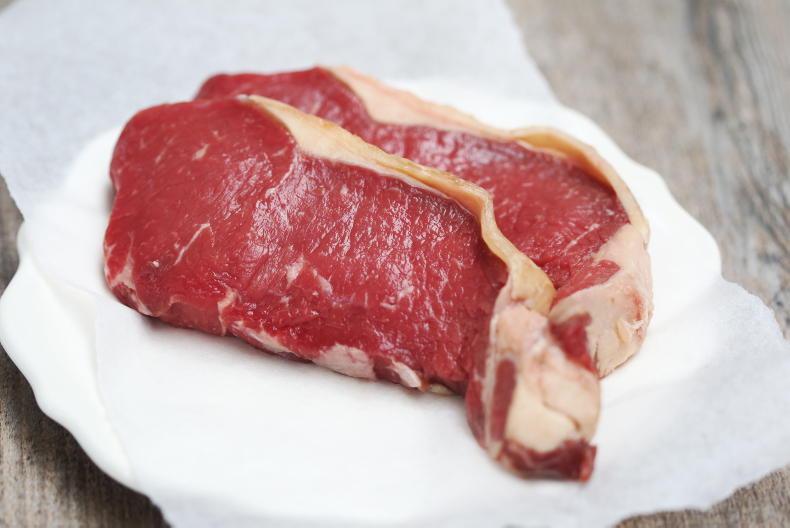
Irish political leaders will find it tricky to find allies to block a deal that will effectively create the biggest free trade bloc on the planet. Farm leaders have a tricky task pushing them to do so when beef is not tariff-free, but is one of the few items still tariffed, admittedly at a low 7.5% rate. It is also still under quota, at 99,000t, only 1.5% of EU beef consumption. The fear is that the quota will be prime cuts of meat, flooding the market and collapsing the price for steak, undermining all beef prices.
Prosecuting that argument is not helped by the record beef prices being fetched at present. If beef was bumbling along at the €4/kg factory price that was normal until last year, Francie Gorman, Vincent Roddy, Denis Drennan and Seán McNamara would have a far stronger case.
It sounds like I’m saying this is an inevitability, but that’s not the case. But Irish beef farmers (and poultry farmers) are 10 points down and hurling into the wind. I wonder is Brian Cody busy?


SHARING OPTIONS