



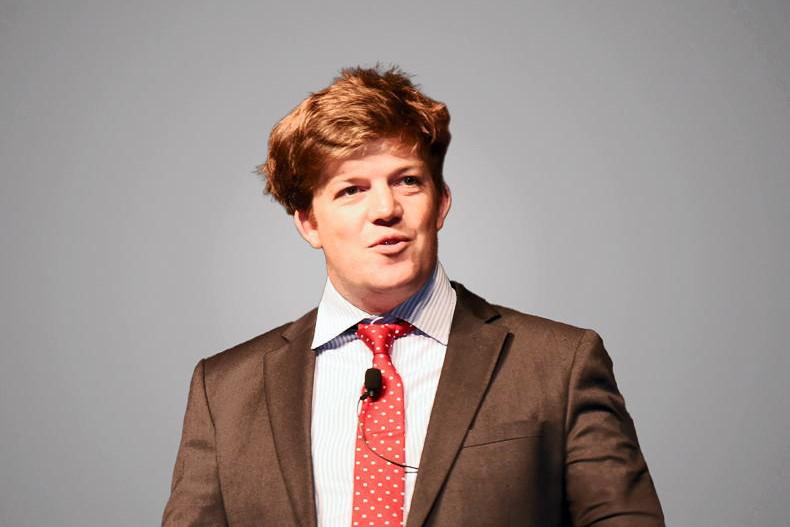
Yes, China is hard, but Irish dairy has huge potential as a consumer brand. Recently, I had a stand at a coffee festival in Beijing, which saw about 10,000 people flow through over a few days. In a market that is often well known for its cut-throat competition, between LuckIn, Starbucks and other emerging players, the taste for coffee bodes very well for the prospects of high-quality dairy.
Strolling around this festival, there were coffees from mainstream players such as Costa, through to niche players from Australia, Japan and Korea along with a plethora of local roasters. A Malaysian offering was promoting a durian coffee with cream, which was surprisingly good.
The festival had a fresh milk supplier, but this same supplier does not provide cream or butter, or other dairy products that are important in the serving of premium coffee.
As owner-operated and more niche coffee shops adorn the streets of Chinese cities, there are a few defining competitive factors for these players. The first is the coffee bean. While we don’t have much direct involvement in coffee beans, we do have world-class roasters in Ireland who can share immense experience about how to blend carefully chosen coffee beans with the best of Irish dairy.
When it comes to the next phase of growth in China’s demand for dairy, the battlefields are becoming ever clearer. While infant formula will shrink largely due to population issues, there will hopefully be more sustained growth of powders for different age segments, such as the elderly. The second great opportunity is in food service, be it bakeries and cafés and how the sophistication in these areas will spur direct consumer demand.
In these areas, it’s important for companies not to end up just relying on dealers and importers to try to generate demand, where a dealer may have ranges from all around the world and sell the cheapest or product of least resistance.
Our producers and our people need to be supported to go back to ground zero in this new consumer market, developing awareness and generating demand for our truly top class consumer products by fostering far more direct engagement.
As for butter and cheese, these are age-old conundrums in China. Outside of Inner Mongolia, butter has failed to flourish – a range of underlying reasons can easily explain this. Some are very addressable. When we send blocks of butter to a country where people use chopsticks to eat, how do we expect butter to be consumed at home?
However, the export numbers to China don’t lie and these segments are showing serious signs of growth. Cheese imports are up 12% in 2025 on last year for example.
Yes, marketing to China seems difficult and many boardrooms in Ireland will be bearish on the trajectory of the market. The days of picking up easy business are over, but if we are to believe in our supply chain and our farmers, the more educated the market, the more sophisticated the consumer, the more potential for Irish dairy to shine.
As I think of the thousands of people at our stand at the coffee festival, I believe all of these consumers are more than willing to experience, consume and repeatedly purchase the best dairy the world has to offer.
It may be a long game, but the playbook of making Irish butter so popular in the US and Germany can be modified for the Chinese consumer market. The new China market opportunity is probably the ‘next China’ growth opportunity for Irish dairy.



SHARING OPTIONS