



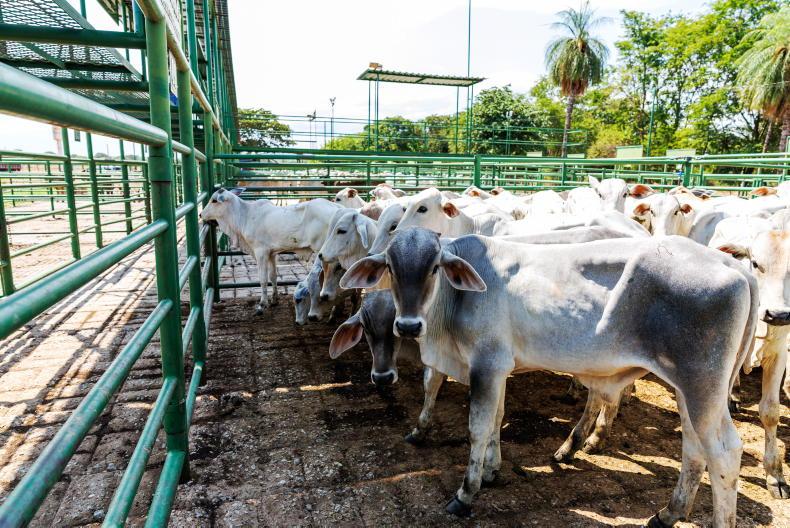
USDA’s office in Brazil is forecasting that after a prolonged period of increasing cattle slaughter, the trend in 2026 will be reversed. In the first seven months of this year, slaughter numbers were 2.9% higher at federally inspected abattoirs and USDA is predicting that 47m head of cattle will be processed overall this year. USDA expects that in the second half of this year, producers will begin holding more cows for breeding. The effect of this will be a drop in the factory kill of cattle which is predicted to fall from 47m head this year to 45m next year. This would mean a USDA estimated drop in meat production of 3% to 11.5m tonnes carcase weight equivalent (CWE).
This decline in production is forecast to lead to an 8% decrease in Brazil’s beef export volumes next year, falling from an expected 3.85m tonnes CWE this year to 3.55m tonnes next year. The context of this decline should also be noted: Brazil’s beef exports have been growing sharply year on year and in the first seven months of 2025 alone, they have increased by 14%, driven by strong international demand and increased cow culling. Brazil will continue to be the world’s largest beef exporter in 2026, selling more than twice as much as Australia, the world’s second largest beef exporter. Also, it should be noted that Brazil’s beef exports never passed 3m tonnes CWE before 2024 and it was as recent as 2018 when they reached 2m tonnes CWE for the first time.
If the USDA forecasts prove correct, then the drop in Brazilian beef production and exports will be a halting of the upward surge. However, with extra livestock being retained for breeding purposes, it means that in subsequent years we can expect that the volume of beef produced and exported will resume its upward trend.
Meanwhile in the US
The cattle inventory in the US has fallen year on year since 2019 and in fact it reached the lowest point in over seventy years in January when the total US cattle population fell to 86.7m head. A prolonged period of difficult weather conditions, which ranged from floods to drought, has been blamed for this decline. However, this may be about to change.
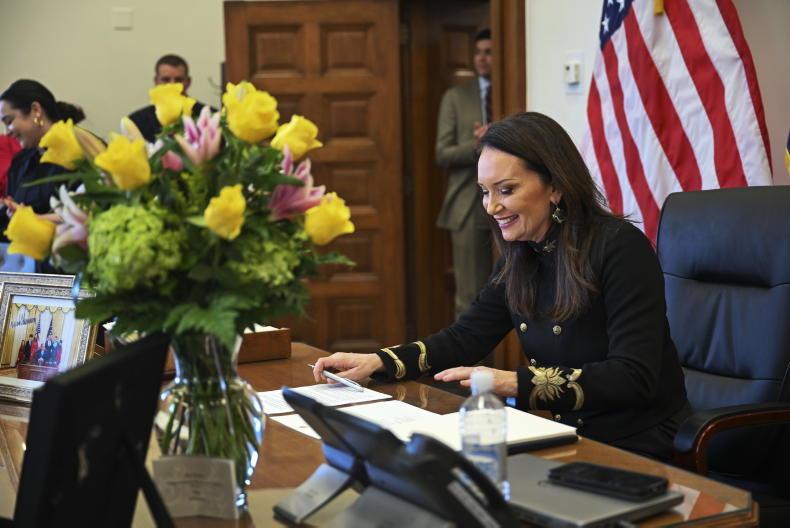
In recent days, Secretary of Agriculture Brooke L Rollins declared her intention to tackle the issue. She said: “USDA will soon release a significant plan to help rebuild the American cattle supply, incentivising our great ranchers, and driving a full-scale revitalization of the American beef industry. This is only the beginning, with many more announcements coming this week as USDA restores American strength, protects food security and supports America’s ranchers and farmers.”
While we await detail on what these incentives will include, we can expect that the government will be dedicating considerable resources to rebuild the cattle herd in the US.
Comment – does this matter for Irish beef producers?
Ireland doesn’t export beef to Brazil and sends only tiny volumes to the US. Irish beef does compete to some extent with Brazil in European markets, less so with US beef because they export such small volumes to Europe because of the hormone ban. However, with cattle supplies tight in Ireland, the UK and EU throughout 2025, the latest USDA forecasts suggests that European markets will not be flooded with Brazilian beef in 2026, whatever about subsequent years. Scarcity of cattle has driven prices this year and if supplies remain tight into 2026, it will be good for cattle values.



SHARING OPTIONS