



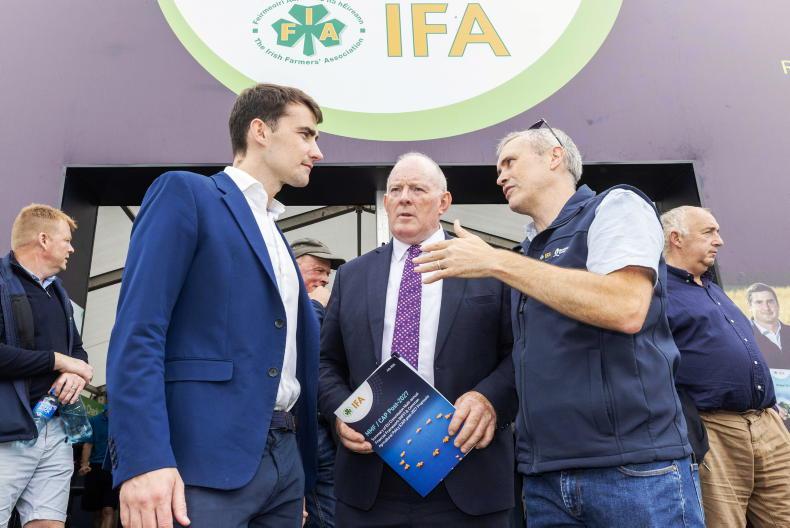
As the budget approaches, the messaging from Government has been consistently downbeat, and it has proven effective. Calls for extra and new payments have been muted, it’s mostly about retaining what’s in place.
The same is true for farming. There is a call for some new measure on succession, perhaps extending favourite nephew status to grandchildren. But that would be tax revenue foregone rather than extra expenditure. The same applies to Residential Zoned Land Tax clarification for farmed land. The one exception is a payment for tillage farmers. The IFA wants €250/ha, I think it’s likely to be half that, at best.
Of late, well-placed sources have been saying the budgetary maths is so tight, exacerbated in Agriculture House by the burgeoning cost of the TB programme, that the tillage payment will have to be part funded by cuts elsewhere in the Departmental budget. I’ve even heard fears expressed over the National Beef Welfare Scheme (NBWS) and the National Sheep Welfare Scheme (SWS). Could there really be payment cuts?
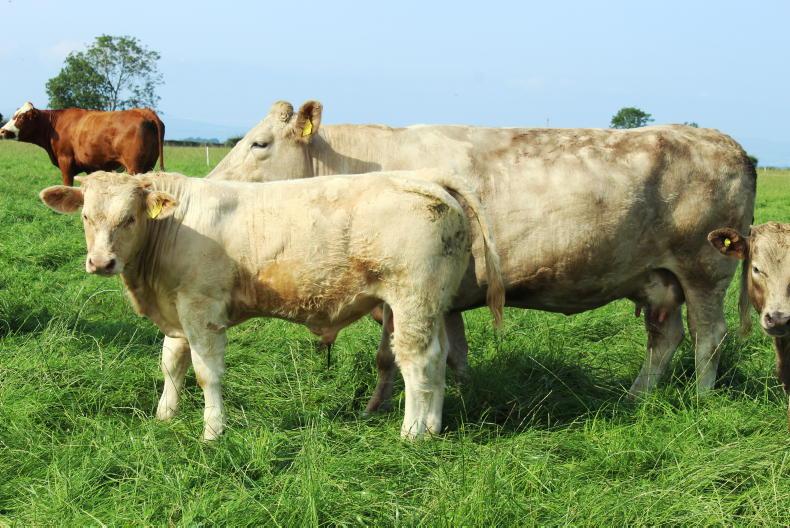
Suckler cow numbers have fallen by almost 100,000 over the last two years – from 872,100 in June 2023 to 778,500 this June. The high prices available for all kinds of beef animals this year might lead people to believe that suckler cow numbers would rebound, but three factors are at play in the opposite direction.
Firstly, a lot of farmers who kept sucklers are too old to keep doing so, and have no-one coming in their stead.
Secondly, land for rental is now priced way beyond the pocket of drystock farmers.
And finally, when a well-fleshed cow can fetch €2,500 in the factory, she’s likely to be culled if there are any concerns about her age, health or fertility. The high prices are actually pushing cows out of production.
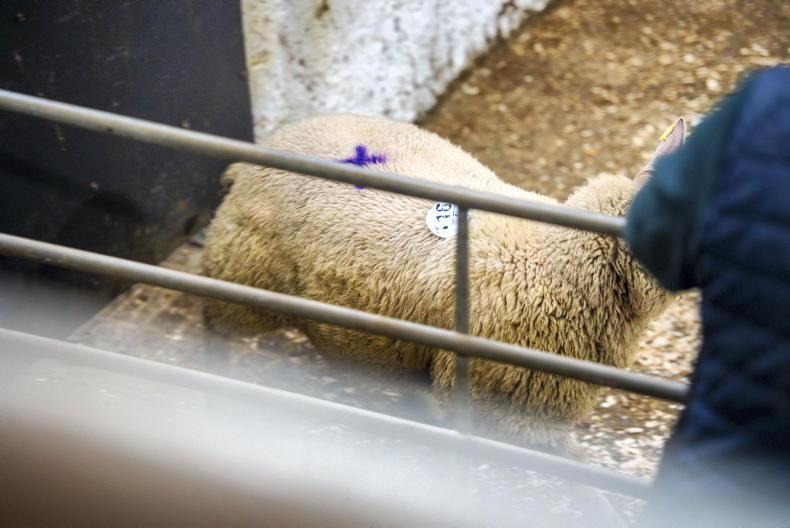
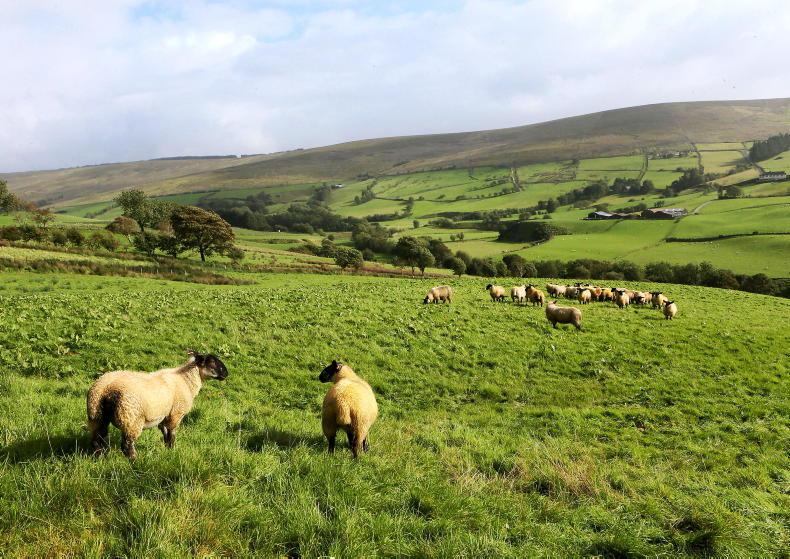
Ewe numbers are also continuing to fall in spite of a buoyant market, and for the very same reasons. The reduction this year was small, but there’s still been a cumulative 15% drop over the last two years.
This might give the Government an out. It’s logical to assume that at least some of this cow reduction is from herds that participated in beef schemes, and the majority of ewes have received the SWS.
So Martin Heydon might be able to cut the total budget for these schemes, but maintain payment levels per head due to the drop in the number of eligible animals. Prudence is displayed, livestock farmers don’t get a direct income hit, and tillage farmers get their bailout.
We’ll know all in a week.


SHARING OPTIONS