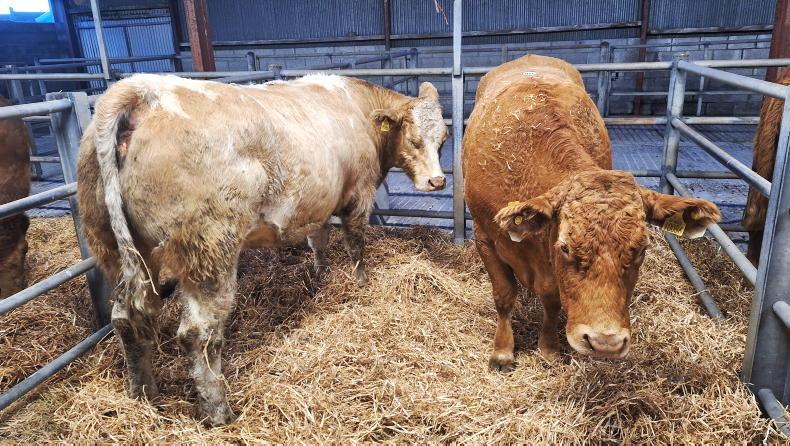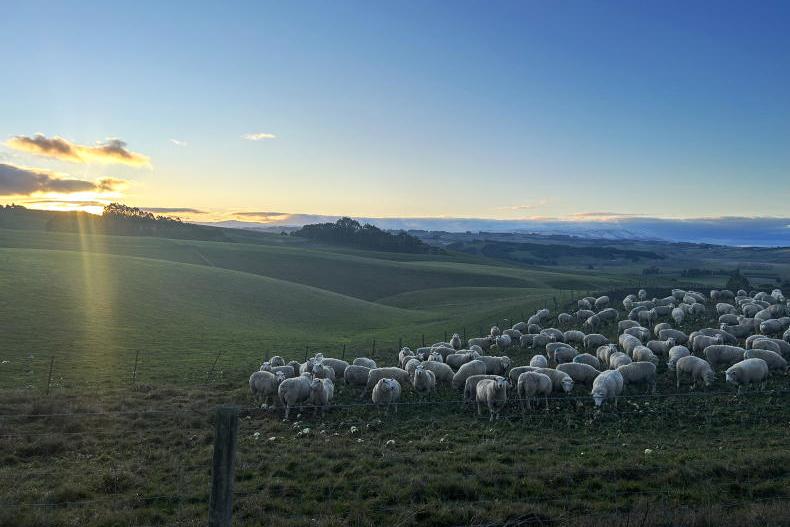
According to the Food and Agriculture Organisation (FAO) of the United Nations, the world will have more cereals, dairy, pig and poultry meat in 2025 than last year, but less beef, while sheepmeat supply will remain about the same.
Cereal production is predicted to increase by 4% compared with last year to 2.990m tonnes, a new record.
Cereal utilisation in 2025/26 is forecast at 2.929m tonnes, almost 52m tonnes or 1.8% more than last year, driven by ample supplies and lower prices.
The main growth has come from increased use in animal feed, particularly in Brazil and the US and aquaculture in Asia. Increase in human consumption has been marginal.
In its November outlook report, the FAO is projecting that stocks could increase by 5.7% to a record high of 916.3m tonnes and world trade in 2025/26 is forecast to grow by 2.2% to 499.5m tonnes.
Dairy
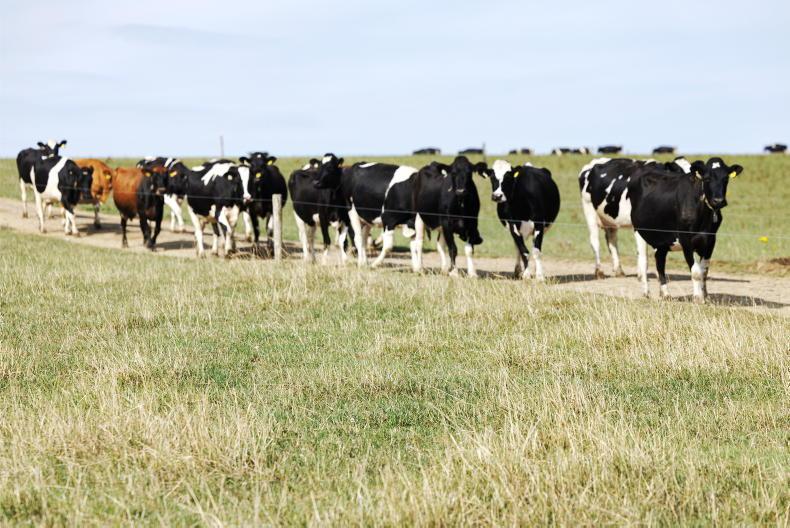
The FAO is predicting that global milk production in 2025 will expand by 1.4%, adding to the 1.1% increase in 2024.
It attributes the growth mainly to an increase in Asia, though at a slower rate than last year, with faster growth in central and South America.
EU production is forecast to increase slightly, while stable feed costs have encouraged higher output in the US.
High prices (until recently) have encouraged production in New Zealand, though high prices have affected consumer purchases and, as a result, trade in milk equivalent terms is expected by the FAO to decline by 1.3% this year.
On prices, while the latest dairy price index is 7% lower than it was in May this year, it is still 17% higher than it was this time last year.
Meat
Meat is the umbrella term given to beef, sheep, pig and poultry meat.
Overall production volume is expected to grow to 384m tonnes carcase weight equivalent (CWE) this year, a 1.4% increase on 2024.
Both pig and poultry meat forecasts have been revised upward since the June report, despite continued problems with avian influenza in poultry and African swine fever in pigs, particularly in Asia and parts of Europe.
Poultry meat production is forecast to grow by 2.9% to 152.4m tonnes, while pigmeat is expected to increase by 1% to 126.3m tonnes.
Sheepmeat output is expected to remain the same as last year at 18.9m tonnes CWE, while beef is expected to decline slightly, down 0.4% to 78m tonnes CWE.
Comment – useful overall indicator of global trends
Producing global reports that are data-reliant is a slow and complex process, as so many countries with different reporting systems have to be mined to produce an overall result.
That means that they will often not include the most up-to-date market intelligence and, for example, it probably understates the recent surge in US milk production or indeed cattle processing in Brazil.
That said, it broadly aligns with the overall global sentiment best reflected in market prices, which suggests a surplus of cereals and milk in the final quarter of 2025.
This means an abundance of affordable feed, which encourages the intensive meats sector with big growth in poultry and slightly lower growth in pigmeat, despite disease issues in both categories.
For ruminant livestock, global demand remains strong, but production of beef is down in the US and Europe, while sheepmeat output globally remains steady.

Read more
Food price index down despite beef increase
Record high for global meat prices
Ireland tops poll to win seat on Food and Agriculture Organisation council
According to the Food and Agriculture Organisation (FAO) of the United Nations, the world will have more cereals, dairy, pig and poultry meat in 2025 than last year, but less beef, while sheepmeat supply will remain about the same.
Cereal production is predicted to increase by 4% compared with last year to 2.990m tonnes, a new record.
Cereal utilisation in 2025/26 is forecast at 2.929m tonnes, almost 52m tonnes or 1.8% more than last year, driven by ample supplies and lower prices.
The main growth has come from increased use in animal feed, particularly in Brazil and the US and aquaculture in Asia. Increase in human consumption has been marginal.
In its November outlook report, the FAO is projecting that stocks could increase by 5.7% to a record high of 916.3m tonnes and world trade in 2025/26 is forecast to grow by 2.2% to 499.5m tonnes.
Dairy
The FAO is predicting that global milk production in 2025 will expand by 1.4%, adding to the 1.1% increase in 2024.
It attributes the growth mainly to an increase in Asia, though at a slower rate than last year, with faster growth in central and South America.
EU production is forecast to increase slightly, while stable feed costs have encouraged higher output in the US.
High prices (until recently) have encouraged production in New Zealand, though high prices have affected consumer purchases and, as a result, trade in milk equivalent terms is expected by the FAO to decline by 1.3% this year.
On prices, while the latest dairy price index is 7% lower than it was in May this year, it is still 17% higher than it was this time last year.
Meat
Meat is the umbrella term given to beef, sheep, pig and poultry meat.
Overall production volume is expected to grow to 384m tonnes carcase weight equivalent (CWE) this year, a 1.4% increase on 2024.
Both pig and poultry meat forecasts have been revised upward since the June report, despite continued problems with avian influenza in poultry and African swine fever in pigs, particularly in Asia and parts of Europe.
Poultry meat production is forecast to grow by 2.9% to 152.4m tonnes, while pigmeat is expected to increase by 1% to 126.3m tonnes.
Sheepmeat output is expected to remain the same as last year at 18.9m tonnes CWE, while beef is expected to decline slightly, down 0.4% to 78m tonnes CWE.
Comment – useful overall indicator of global trends
Producing global reports that are data-reliant is a slow and complex process, as so many countries with different reporting systems have to be mined to produce an overall result.
That means that they will often not include the most up-to-date market intelligence and, for example, it probably understates the recent surge in US milk production or indeed cattle processing in Brazil.
That said, it broadly aligns with the overall global sentiment best reflected in market prices, which suggests a surplus of cereals and milk in the final quarter of 2025.
This means an abundance of affordable feed, which encourages the intensive meats sector with big growth in poultry and slightly lower growth in pigmeat, despite disease issues in both categories.
For ruminant livestock, global demand remains strong, but production of beef is down in the US and Europe, while sheepmeat output globally remains steady.
Read more
Food price index down despite beef increase
Record high for global meat prices
Ireland tops poll to win seat on Food and Agriculture Organisation council
SHARING OPTIONS