



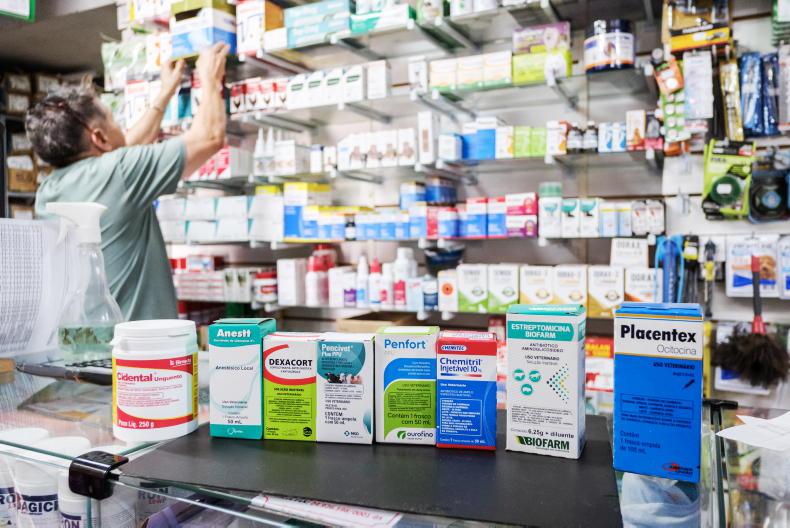
The European Commission has responded to week’s publication of the Irish Farmers Journal/Irish Farmers Association investigation into antibiotic use in Brazil by saying it cannot dictate how non-EU countries regulate the sale of prescription medicines, but that products imported into the EU “must meet our rigorous safety standards”.
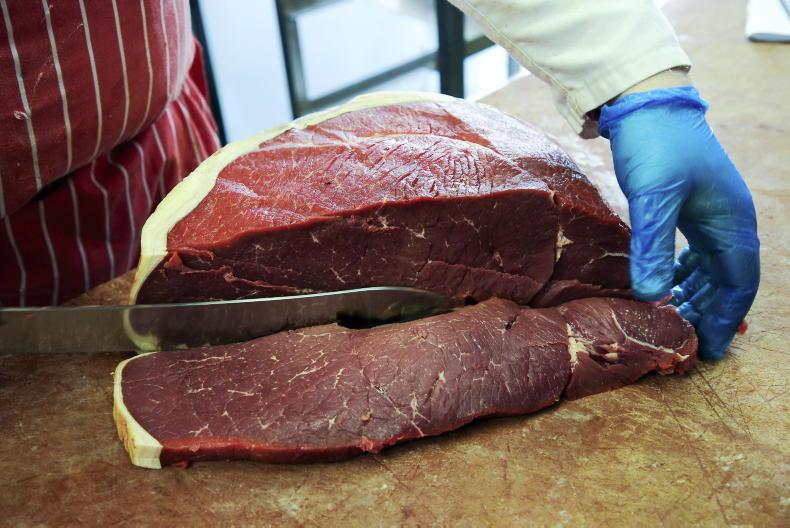
A spokesperson told the Irish Farmers Journal: “EU citizens are protected by some of the strictest food safety rules in the world. All food products entering the EU must comply with the same high standards for food health and safety as those produced here, including as they relate to the use of antibiotics for food production.
“Furthermore, we strongly support the continuous improvement of international standards for veterinary prescription medicines and related substances, and have been an active interlocutor in international fora on this issue.”
“The EU cannot and does not dictate how third countries organise or regulate the sale of veterinary prescription medicines or other substances,” the spokesperson said. “So while standards differ in third countries, products imported to the EU must meet our rigorous safety standards, and we check these requirements at our borders, in products on the market, and with audits in third countries.
Audits
When asked about checks and audits on imports into the EU, the commission spokesperson said: “We take action if non-compliance is found: either by rejecting consignments, recalling products or making recommendations to third countries accompanied with follow-ups, where necessary. There are many examples of these actions in the past.”
She said the commission has also committed to increasing the number of audits in third countries, and if non-compliance is detected, “we will insist that the third countries take the necessary actions to improve their systems, or in serious cases, the commission may impose trade restrictive measures. This increase in audits will begin already in 2026”.
The spokesperson added that “once in place, the EU-Mercosur Partnership Agreement will also enable closer co-operation on these matters, including through enhanced controls” and that the EU will continue to address the pressing issue of antimicriobial resistance, which it called one of the greatest threats to public health in Europe and globally.


SHARING OPTIONS