Farm incomes are forecast to drop on average 19% next year to €40,000 compared with 2025 levels, according to a new report from Teagasc.
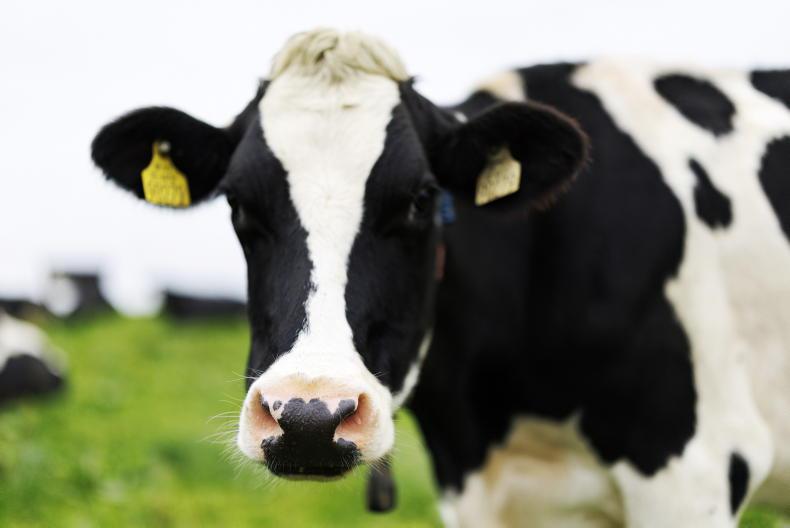
It is predicted the majority of this decrease will be shouldered by dairy farms, with Teagasc economists estimating that incomes will fall on these farms by 42% on average to €80,000.
By contrast, incomes in drystock and tillage should remain relatively stable.
The report said that entering 2026, dairy commodity prices will be considerably lower than 12 months ago, particularly for butter. This means the outlook for Irish milk prices is negative.
Forecast
It forecast that Irish milk prices in 2026 could be down by more than 20% on their average level for 2025.
“Given the seasonality in Irish milk production, any recovery in dairy commodity prices in the second half of next year will limit, rather than reverse, the expected decline in milk prices in 2026.
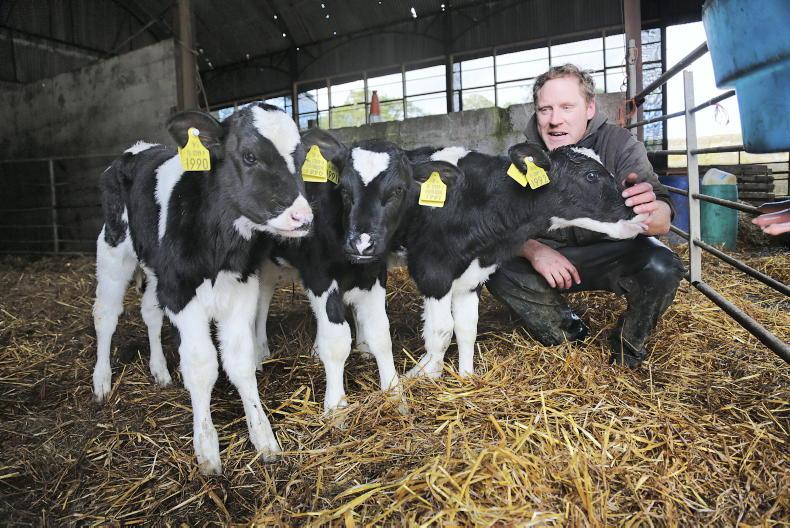
“However, dairy farms should continue to benefit from high cull cow and surplus calf prices in 2026,” it added.
At 11.5c/l, the average dairy net margin in 2026 is forecast to be down 45% on the 2025 level.
Overall, economists noted there is considerable uncertainty associated with the outlook, due to geopolitical and trade related tensions and concern that some stock market prices may be inflated.
Limited input price movements are forecast in 2026, meaning that costs will remain at the high level which has emerged in recent years.
“Fuel prices are forecast to be lower, while fertiliser prices are likely to increase due to the introduction of the EU carbon border odjustment mechanism (CBAM).
“Feed prices are likely to fall marginally in 2026. There is likely to be some further increase in the prices of other input items.
“General inflation is expected to remain at close to the target level. So, overall, production costs in 2026 should be close to the 2025 level,” the report outlined.
Beef
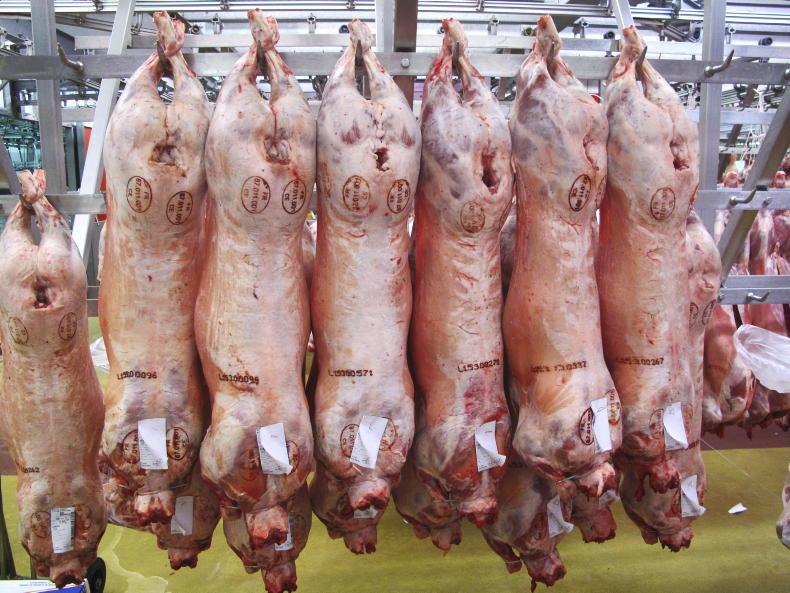
Teagasc economists predicted that the 2025 beef bounce will reverse somewhat in 2026. However, farm incomes on cattle farms in 2026 are forecast to be well above historical averages.
The report forecasts that incomes on cattle-rearing farms will be back 5% to €28,500 next year, while those classified as 'cattle other' (mainly finishers) are potentially looking at a 13% rise in income to €26,000.
Finished cattle prices are forecast to increase marginally in 2026. The forecast is for a 5% increase in finished cattle prices, with a forecast of a 3% increase in store cattle prices in 2026 relative to 2025, the report said.
The price of weanling cattle increased at an exceptional rate in 2025. It is forecast that some of this increase will be reversed in 2026, with a 5% decrease forecast for weanling prices.
“Production costs are expected to increase slightly in 2026,” Teagasc added.
Sheep
Sheep farms are to see a modest increase in their bottom line next year.
The average sheep farm income in 2026 is forecast to rise to €38,500, a rise of 5% on the estimated 2025 level.
For sheep farms, lamb prices in 2026 are forecast to increase relative to 2025 price levels.
It is predicted there will be a reduction in production costs and continued coupled direct payments under the Sheep Improvement Scheme and the National Sheep Welfare Scheme.
Tillage
Incomes on tillage farms are forecast to decrease marginally next year. Teagasc estimated they will be back by 1% to €46,900.
Incomes on specialist cereal, oilseed and protein farms are forecast to decrease by 6% in 2026 to approximately €43,500.
The slightly higher percentage decrease in income for these specialist farms is due to the smaller scale of their subsidiary drystock enterprises.
Cereal prices are forecast to be broadly similar to those paid at harvest 2025. Under the assumption that trend yields are achieved, yields in 2026 would be down marginally on the 2025 level.
Factoring in slight inflation in production costs in 2026, the average tillage income is forecast to decrease marginally.
Pigs
According to the new Teagasc report, volume of pig production is forecast to increase by a further 2% in 2026.
While Irish pig prices are forecast to fall by 10%, little change in production costs is forecast. The margin over feed cost is forecast to decrease to 61c/kg.
Forestry
In 2026 in the forestry sector, there will be a continuing focus on recovery from storm impacts.
The increased Government budget allocation of €93m for forestry measures in 2026 includes supports for new forest creation and potential support measures for forest owners through a reconstitution scheme for those affected by storms and ash dieback.
All farm income estimates for 2025 and forecasts for 2026 are inclusive of support payments.
Read more
Farm incomes estimated to be up 33% on average this year
Farm incomes are forecast to drop on average 19% next year to €40,000 compared with 2025 levels, according to a new report from Teagasc.
It is predicted the majority of this decrease will be shouldered by dairy farms, with Teagasc economists estimating that incomes will fall on these farms by 42% on average to €80,000.
By contrast, incomes in drystock and tillage should remain relatively stable.
The report said that entering 2026, dairy commodity prices will be considerably lower than 12 months ago, particularly for butter. This means the outlook for Irish milk prices is negative.
Forecast
It forecast that Irish milk prices in 2026 could be down by more than 20% on their average level for 2025.
“Given the seasonality in Irish milk production, any recovery in dairy commodity prices in the second half of next year will limit, rather than reverse, the expected decline in milk prices in 2026.
“However, dairy farms should continue to benefit from high cull cow and surplus calf prices in 2026,” it added.
At 11.5c/l, the average dairy net margin in 2026 is forecast to be down 45% on the 2025 level.
Overall, economists noted there is considerable uncertainty associated with the outlook, due to geopolitical and trade related tensions and concern that some stock market prices may be inflated.
Limited input price movements are forecast in 2026, meaning that costs will remain at the high level which has emerged in recent years.
“Fuel prices are forecast to be lower, while fertiliser prices are likely to increase due to the introduction of the EU carbon border odjustment mechanism (CBAM).
“Feed prices are likely to fall marginally in 2026. There is likely to be some further increase in the prices of other input items.
“General inflation is expected to remain at close to the target level. So, overall, production costs in 2026 should be close to the 2025 level,” the report outlined.
Beef
Teagasc economists predicted that the 2025 beef bounce will reverse somewhat in 2026. However, farm incomes on cattle farms in 2026 are forecast to be well above historical averages.
The report forecasts that incomes on cattle-rearing farms will be back 5% to €28,500 next year, while those classified as 'cattle other' (mainly finishers) are potentially looking at a 13% rise in income to €26,000.
Finished cattle prices are forecast to increase marginally in 2026. The forecast is for a 5% increase in finished cattle prices, with a forecast of a 3% increase in store cattle prices in 2026 relative to 2025, the report said.
The price of weanling cattle increased at an exceptional rate in 2025. It is forecast that some of this increase will be reversed in 2026, with a 5% decrease forecast for weanling prices.
“Production costs are expected to increase slightly in 2026,” Teagasc added.
Sheep
Sheep farms are to see a modest increase in their bottom line next year.
The average sheep farm income in 2026 is forecast to rise to €38,500, a rise of 5% on the estimated 2025 level.
For sheep farms, lamb prices in 2026 are forecast to increase relative to 2025 price levels.
It is predicted there will be a reduction in production costs and continued coupled direct payments under the Sheep Improvement Scheme and the National Sheep Welfare Scheme.
Tillage
Incomes on tillage farms are forecast to decrease marginally next year. Teagasc estimated they will be back by 1% to €46,900.
Incomes on specialist cereal, oilseed and protein farms are forecast to decrease by 6% in 2026 to approximately €43,500.
The slightly higher percentage decrease in income for these specialist farms is due to the smaller scale of their subsidiary drystock enterprises.
Cereal prices are forecast to be broadly similar to those paid at harvest 2025. Under the assumption that trend yields are achieved, yields in 2026 would be down marginally on the 2025 level.
Factoring in slight inflation in production costs in 2026, the average tillage income is forecast to decrease marginally.
Pigs
According to the new Teagasc report, volume of pig production is forecast to increase by a further 2% in 2026.
While Irish pig prices are forecast to fall by 10%, little change in production costs is forecast. The margin over feed cost is forecast to decrease to 61c/kg.
Forestry
In 2026 in the forestry sector, there will be a continuing focus on recovery from storm impacts.
The increased Government budget allocation of €93m for forestry measures in 2026 includes supports for new forest creation and potential support measures for forest owners through a reconstitution scheme for those affected by storms and ash dieback.
All farm income estimates for 2025 and forecasts for 2026 are inclusive of support payments.
Read more
Farm incomes estimated to be up 33% on average this year
SHARING OPTIONS