Q. What is bluetongue?
A. Bluetongue is a notifiable exotic viral disease caused by bluetongue virus (BTV), which can cause severe clinical signs in cattle, sheep, goats, deer, llamas and alpacas.
Q. How is it spread?
A. Bluetongue virus is spread by infected biting midges many of which are found throughout the island of Ireland, the Department of Agriculture said. Transmission primarily occurs when biting midges feed off the blood of an infected animal and subsequently spread the virus to animals they bite.
Infected pregnant animals can also pass the virus to their unborn offspring, who can be a source of infection when they are born and there is evidence to show that the virus can be spread through biological products, such as blood, and germinal products, such as semen and embryos.
Bluetongue does not have any implications for human health and food safety.
Q. How could it enter Ireland?
A. Import of infected animals.Import of infected biological material (eg blood) or germinal products (eg semen or embryos).Weather conditions (wind dispersal, speed and direction) allowing for infected midges to be carried on the wind to Ireland from countries where bluetongue is circulating.Q. What are the
symptoms?
A. “Sheep are more likely to show obvious clinical signs of bluetongue than cattle if they become infected, and mortality rates can be as high as 70%,” the Department of Agriculture said. “Some animals may not show any clinical signs however, and these animals can pose a risk for spreading the disease to new areas or countries. If infections resolve, recovery can take months,” it added.
There is a wide range of clinical signs of bluetongue:
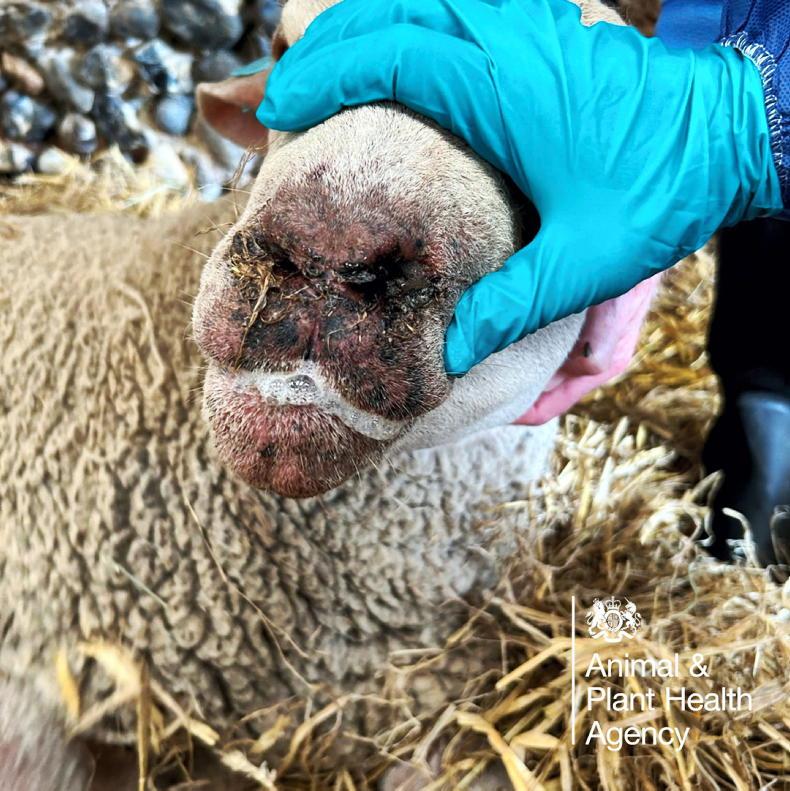
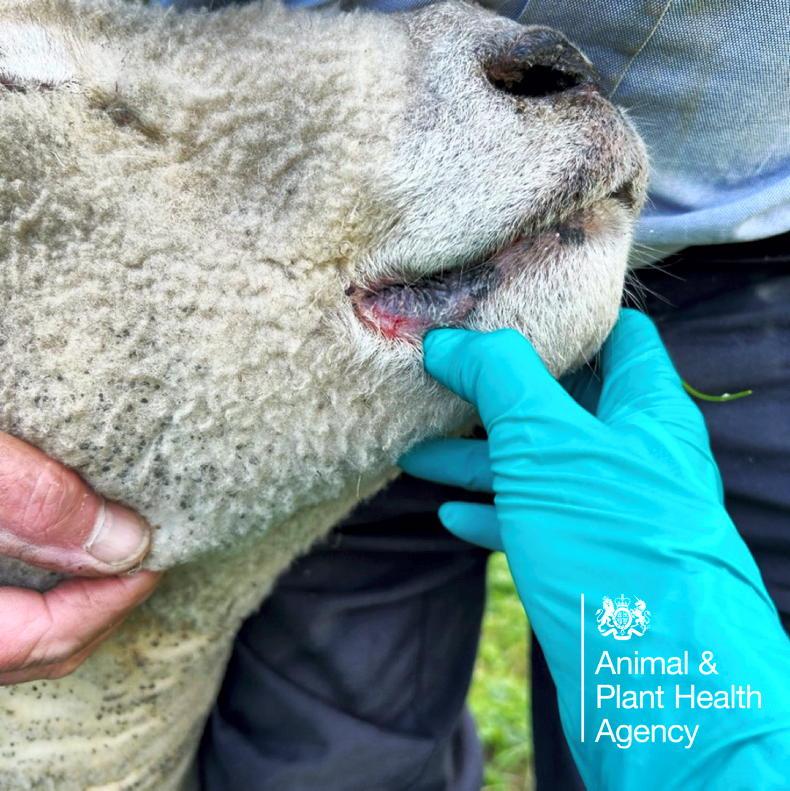
Fever.Loss or lack of appetite.Drop in milk yield.Apathy, lethargy.Lesions, sores, reddening and/or ulcerations.Mucous membranes (nose, mouth (gums, dental pads), eyes).Teats/udder (cattle).Swelling of the face, lips and tongue (ie “bluetongue”).Breathing difficulties if the tongue swells.Increased salivation and drooling from the mouth.Discharge from the eyes and/or nose.Lameness (due to periarthritis, hoof sloughing, swollen legs).Abortion, stillbirths or deformities in offspring.Possible death in severe cases.
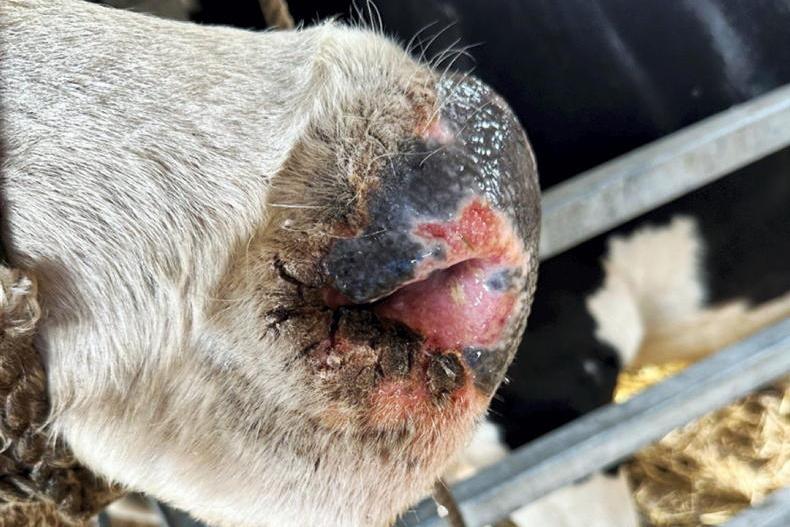
Droolinga and crusting around the nostrils are also symptoms.
Q. What should you do if you suspect an animal has bluetongue?
A. If you have any concern that one of your animals has bluetongue, do not delay in taking action. Isolate the suspect animal(s) indoors immediately and report the case to the Department of Agriculture. To report a suspect case, please contact your local regional verterinary officer or the national disease emergency hotline on 01-492-8026 (which is operational 365 days of the year).

Q. What is bluetongue?
A. Bluetongue is a notifiable exotic viral disease caused by bluetongue virus (BTV), which can cause severe clinical signs in cattle, sheep, goats, deer, llamas and alpacas.
Q. How is it spread?
A. Bluetongue virus is spread by infected biting midges many of which are found throughout the island of Ireland, the Department of Agriculture said. Transmission primarily occurs when biting midges feed off the blood of an infected animal and subsequently spread the virus to animals they bite.
Infected pregnant animals can also pass the virus to their unborn offspring, who can be a source of infection when they are born and there is evidence to show that the virus can be spread through biological products, such as blood, and germinal products, such as semen and embryos.
Bluetongue does not have any implications for human health and food safety.
Q. How could it enter Ireland?
A. Import of infected animals.Import of infected biological material (eg blood) or germinal products (eg semen or embryos).Weather conditions (wind dispersal, speed and direction) allowing for infected midges to be carried on the wind to Ireland from countries where bluetongue is circulating.Q. What are the
symptoms?
A. “Sheep are more likely to show obvious clinical signs of bluetongue than cattle if they become infected, and mortality rates can be as high as 70%,” the Department of Agriculture said. “Some animals may not show any clinical signs however, and these animals can pose a risk for spreading the disease to new areas or countries. If infections resolve, recovery can take months,” it added.
There is a wide range of clinical signs of bluetongue:
Fever.Loss or lack of appetite.Drop in milk yield.Apathy, lethargy.Lesions, sores, reddening and/or ulcerations.Mucous membranes (nose, mouth (gums, dental pads), eyes).Teats/udder (cattle).Swelling of the face, lips and tongue (ie “bluetongue”).Breathing difficulties if the tongue swells.Increased salivation and drooling from the mouth.Discharge from the eyes and/or nose.Lameness (due to periarthritis, hoof sloughing, swollen legs).Abortion, stillbirths or deformities in offspring.Possible death in severe cases.
Droolinga and crusting around the nostrils are also symptoms.
Q. What should you do if you suspect an animal has bluetongue?
A. If you have any concern that one of your animals has bluetongue, do not delay in taking action. Isolate the suspect animal(s) indoors immediately and report the case to the Department of Agriculture. To report a suspect case, please contact your local regional verterinary officer or the national disease emergency hotline on 01-492-8026 (which is operational 365 days of the year).
SHARING OPTIONS