



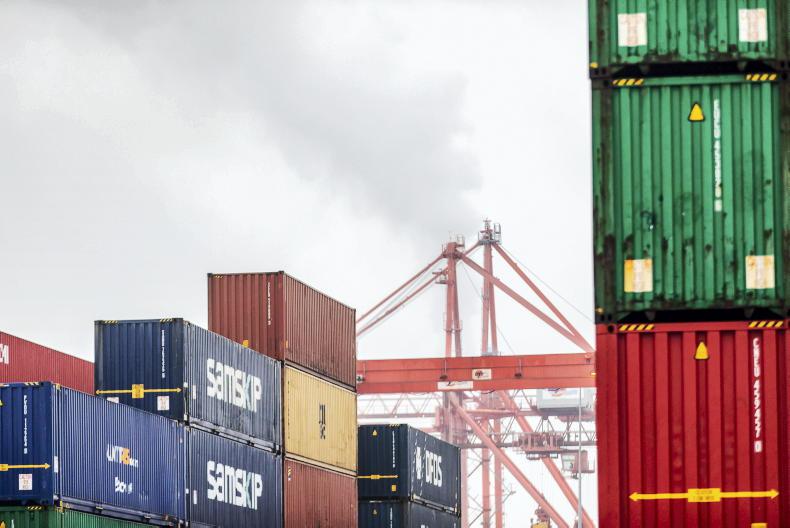
The European Commission has announced measures aimed at bolstering the compliance of agri-food goods imported into the EU with EU rules.
Its efforts will include upping the number of audits carried out in non-EU countries by 50% over the next two years and increasing by 33% the number of audits it carries out at border control posts operated by member states.
The Commission is to also create a dedicated EU task force in import controls to focus on pesticide residues, food safety, feed safety and animal welfare to co-ordinate the monitoring of “specific imported products”.
It announced that it will be monitoring “non-compliant commodities and countries” closer, with a higher frequency of checks implemented “as required”.
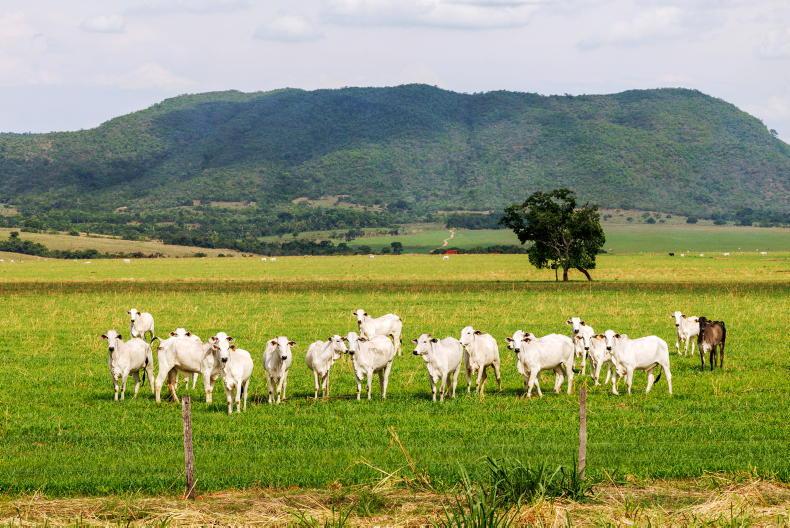
The renewed focus on imported foods’ compliance with EU standards comes little over a week after a major recall of frozen supplies of Brazilian beef found to have contained a hormone banned in the EU.
This recall extended across 10 member states and the beef had entered the food chain in Italy before the recall notice issued.
Timing
The official line from Brussels denies that the measures are linked specifically to woo member states and MEPs into rubber-stamping the proposed EU-Mercosur free trade agreement.
European Commissioner for Health and Animal Welfare Olivér Várhelyi stated that the measures are being brought forward after the 'Vision for agriculture and food' committed to levelling the import playing field for the EU’s farmers.
“In terms of timing, we were also mindful of the fact that this is a topic that has been raised for a considerable period by now, so this is why we think this is a rather urgent topic now to address,” the Commissioner said on Tuesday.
“The whole notion behind this is that we want to enforce the conditions that are already there.
“There is no new conditions for any trading partner, but we want to make sure that what we have agreed is going to be expected.
“If you ask me whether this is going to help enforcement and implementation of the Mercosur agreement, my answer is yes,” he said, before reiterating that the measures are “not made only for Mercosur”.





SHARING OPTIONS