



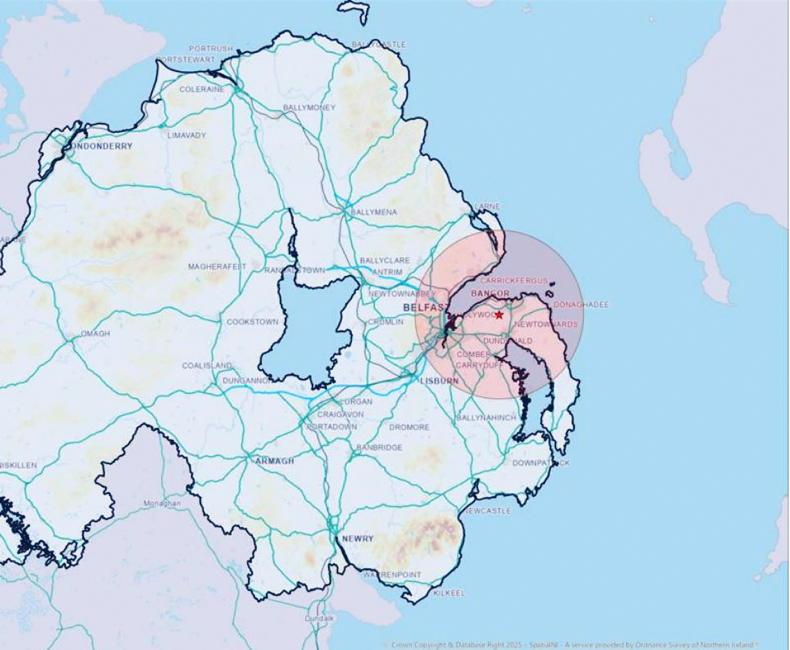
At an online meeting back in August, it was made pretty clear that DAERA would consider culling any bluetongue-infected herds in the early stages of an outbreak.
Why that hasn’t happened since the disease emerged in NI is presumably down to the time of year.
Bluetongue is spread by biting female midges and as highlighted on page 7, the expectation is the disease is now circulating in the local midge population.
But it is very unlikely that clean midges will be able to become infected at this time of the year as they need relatively mild temperatures to replicate the virus. As a result, there is nothing to be gained from culling any cattle or sheep.
In fact, in Wales back on 10 November, authorities there took the decision to declare the entire country as a restricted zone, thereby lifting the temporary control zone (TCZ) in place around an outbreak in Monmouthshire since 1 October.
The decision was taken on the basis that midge-born transmission of bluetongue won’t occur in Wales beyond that 10 November date.
One zone
By declaring all of Wales as one zone, it effectively allowed farmers in the TCZ to again trade normally – no pre-movement tests or specific licences are required across Wales, although the conditions of a general license must be met if trading with England or Scotland.
It is probably the case that something similar will soon happen in NI, which would remove the movement controls currently impacting farmers in Co Down.
The fact that hasn’t happened yet, highlights a pretty cautious approach being taken by the Department as it tries to get a firm handle on the extent of bluetongue spread across NI.
That caution is understandable given the need to protect the trade in sheep going for direct slaughter to the Republic of Ireland.
Knowing where we are with bluetongue spread will also help inform important decisions to be made on farms in the coming weeks around whether to vaccinate stock ahead of the normal surge in midge activity next spring.


SHARING OPTIONS