



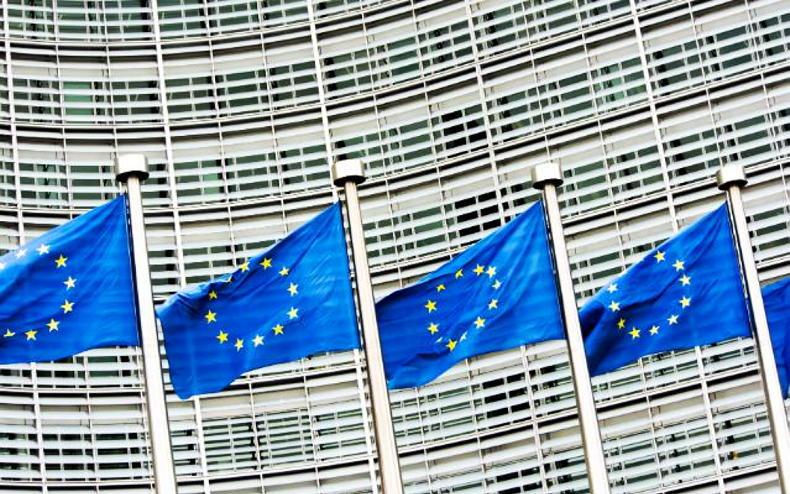
The next CAP
Summer 2025 saw the publication of the European Commission’s radical proposals for the 2028-2034 CAP meet with fierce opposition from member states, MEPs and farming organisations.
Farm income support schemes would see a major revamp if the Commission gets its way with the next CAP, with a redrawing of payment rates, payment reductions for those whose payments exceed €20,000 and the stopping of CAP funds for those drawing state pensions by 2032 all on the cards.
2026 will be the year when MEPs and EU countries begin setting out their stalls on the next CAP.
EU budget battle
The CAP proposals are tied into Brussels’ plans for the next long-term EU budget, which seek to abolish the standalone CAP budget, cut dedicated CAP funding by more than 20% and leave the CAP competing against other EU programmes for its share of EU funding.
These long-term budget proposals will progress largely in parallel with CAP discussions, as the funding allocated to agriculture will determine the schemes that can be funded from 2028 onwards.
Next year will see the farm sector wage a battle for a larger share of the EU budget envelope, as different member states make different cases for where the EU budget should go.
Nature Restoration Law
The EU Nature Restoration Law was passed in 2024 and work began on consulting affected groups, like farm organisations, on what Ireland’s plan to meet the law’s targets should look like.
This plan is to be submitted to Brussels for approval by September 2026, but the bulk of it will have to be agreed in advance of this deadline, to allow for the time taken to put it to public consultation and get Cabinet sign-off.
However, concrete detail has yet to emerge on what measures will be offered to farmers, how much land need measures in place and what incentives are on the table for those wishing to take up restoration measures.
These details should begin firming up around March of next year if Ireland’s submission of a plan is to stay on track, with the timelines set down in law.
The Mercosur trade deal
The European Commission’s hopes to get the free trade agreement, with Mercosur across the line before Christmas faltered at the last moment, but the deal remains very firmly on the table. Brussels can be expected to heap pressure on both France and Italy to throw their weight behind the deal early in the new year in a bid to get the 25 years-in-the-making agreement approved by member states.
The deal will also be put to a make-or-break vote in the European Parliament early in 2026.
The publication of the final report on the European Commission’s recent audit of Brazilian beef that resulted in a recall notice issuing across 10 member states is also anticipated in early in the new year too.
Carbon Border Adjustment Mechanism (CBAM)
The CBAM will be imposed on emissions intensive industrial goods imported into the EU from January 2026.
The tax looks to prevent carbon leakage resulting from the carbon taxes in place on the EU’s industry.
Of significance to farmers will be the CBAM levies on fertilisers imported into the EU, which vary depending on region and fertiliser type.
The tax will add between €40/t to €140/t depending on fertiliser type and source, but fertilisers produced in the single market, such as those imported into Ireland from other EU countries, will not have any CBAM markup.




SHARING OPTIONS