



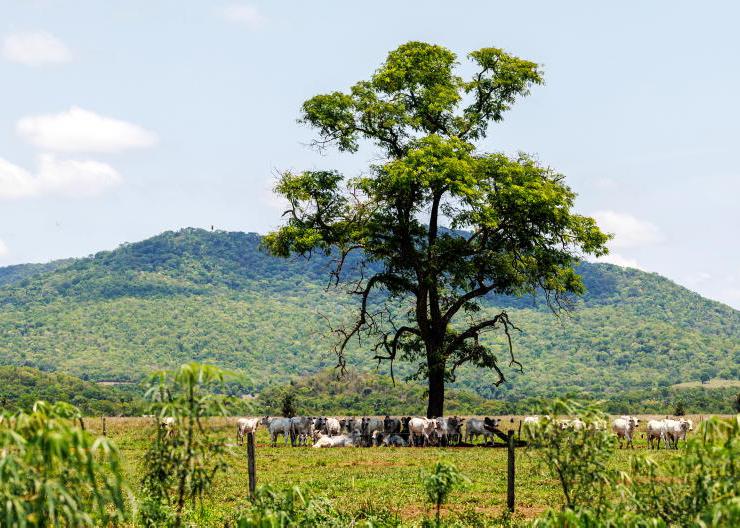
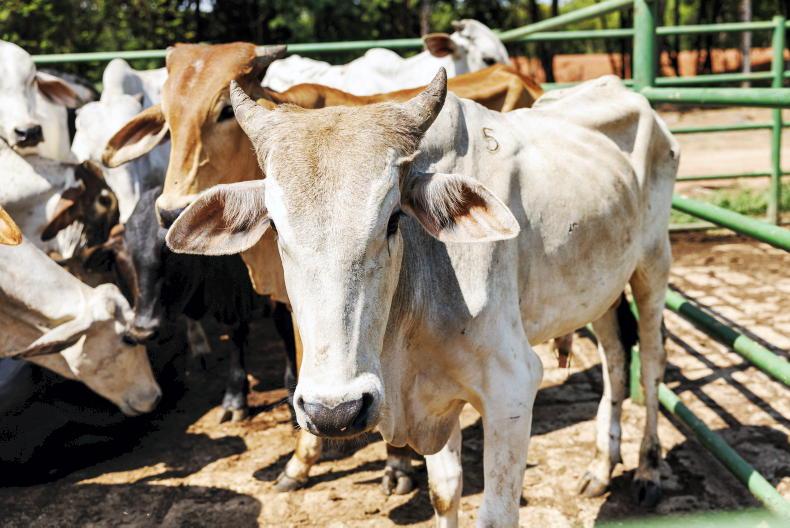
Under the EU-Mercosur trade deal, the four Mercosur countries of Argentina, Brazil, Paraguay and Uruguay, will be able to export up to 99,000t of beef with a 7.5% tariff to the EU.
The European Commission has said that the 99,000t will consist of 55% fresh or chilled beef and 45% lower-value frozen beef.
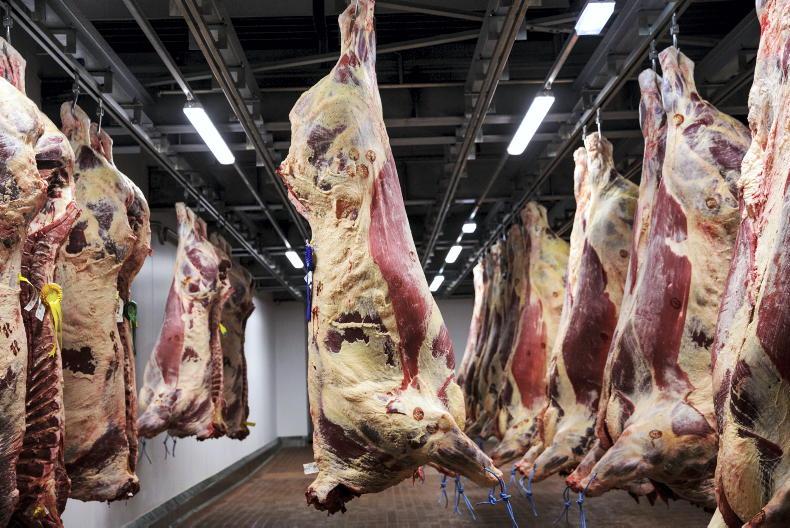
This represents around 1.5% of total European beef production. This 99,000t is also carcase weight equivalent (CWE), which is the measurement of boneless beef converted back to the amount of carcases required to produce it. A coefficient of 1.3 is applied to give it an approximate calculation. So, a 99,000t quota CWE would convert to just over 76,000t of boneless beef.
Currently, around 200,000t of beef is exported each year to enter the EU from Mercosur countries. This beef attracts a higher tariff rate than 7.5%.
What about hormones?
The use of growth-promoting hormones in food producing animals such as cattle has been banned in the EU for decades.The import of food, for example beef, that has been treated with hormones is also banned in the EU.
In December, the European Commission issued a recall notice of frozen beef that had been imported from Brazil and entered the EU market as the beef contained a banned hormone, called oestradiol 17ß.
The beef made its way to a number of EU member states, including Ireland, where it entered the food chain.
The Commission has launched an investigation into the incident.
Commenting at the time, a Commission spokesperson said: “It is important to stress that the meat consignments identified and incorrectly exported to the EU represent a very small proportion of all beef imported into the EU (about 0.1% of beef from Brazil during the relevant period)”.
“All food products entering the EU must comply with the same high standards for food health and safety as those produced here,” the spokesperson said.
The EU has also committed to increase the number of audits and checks in third countries and to strengthen controls on the ground.
What if prices are lower?
Safeguards have been applied to the agreement in the event that there is a surge in imports from the Mercosur bloc and it impacts EU beef prices.
These safeguards provide a commitment by the Commission to act to counteract potential negative effects of the deal, where warranted.
This includes enhanced monitoring of market trends, compiling reports on the impact of imports and launching an investigation if there is a more than 10% increase in annual imports of a product and import prices are at least 10% lower than prices of the same or competing EU product.



SHARING OPTIONS