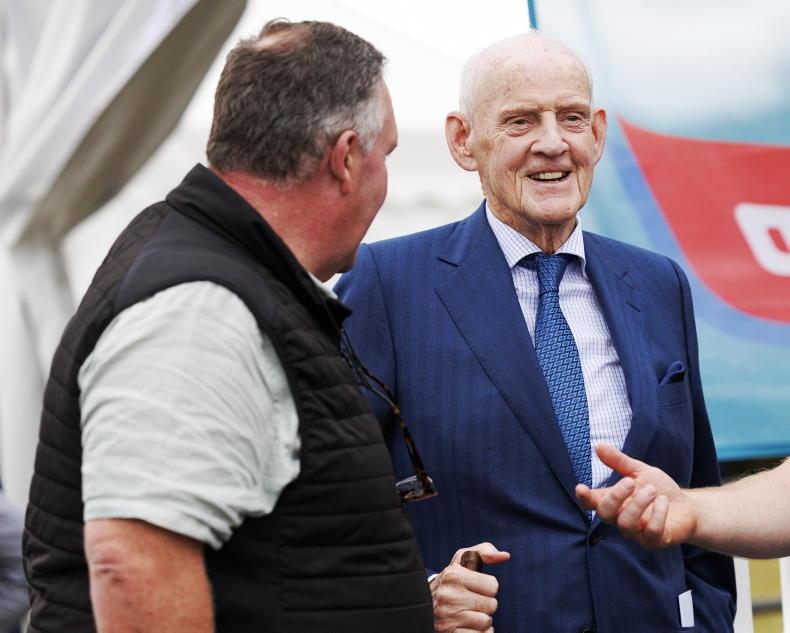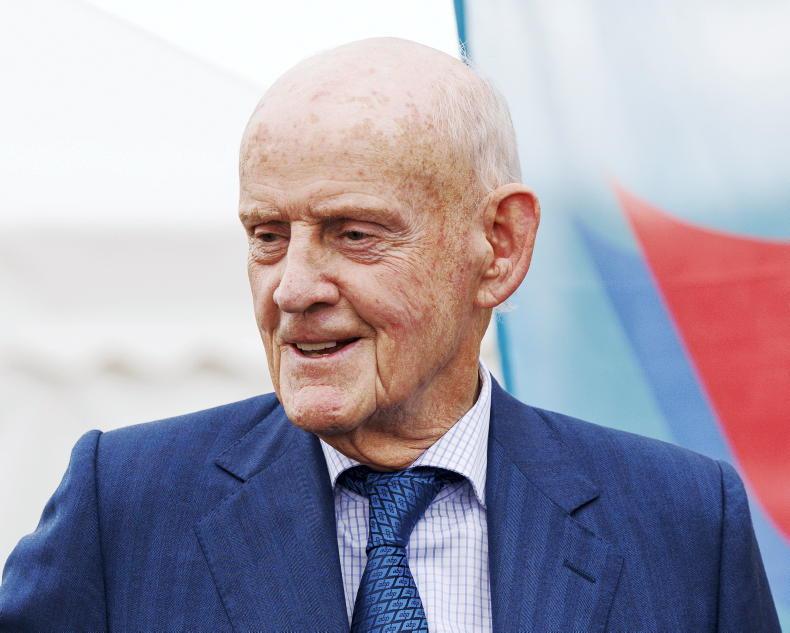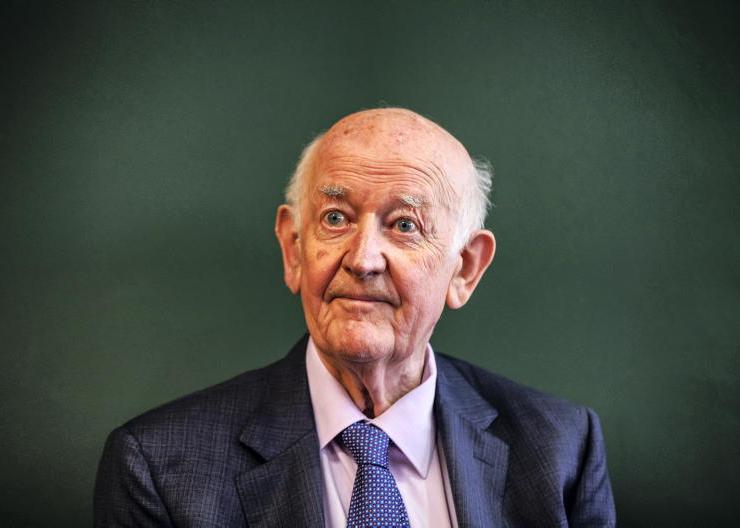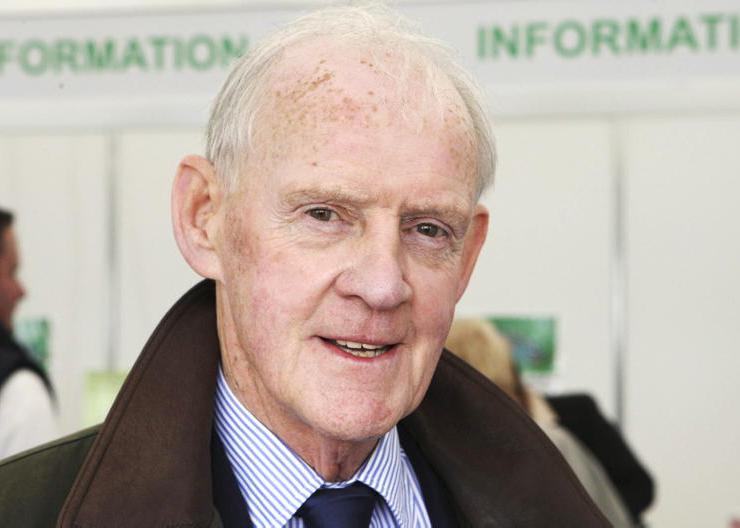
Monday’s heavily promoted RTÉ programme on Larry Goodman was the first of two. It brought us up to when the Group was in danger of collapsing in 1989. My first real interaction with Larry Goodman was early 1975 when I asked him if he would do an interview with the Irish Farmers Journal.
I drove up to his plant in Ravensdale just outside Dundalk. As RTÉ’s programme on Monday night pointed out, he had bought this when it was in bad condition and by the time of my visit, it was humming.
At that time, I was sending my cattle to the giant IMP plant in Leixlip. The key difference between the Ravensdale plant and Leixlip to me at that time was startlingly clear. In those days, farmers could follow their cattle on the factory slaughter line until the final weighing point.
As I stood with Larry Goodman at the scales, there was one man doing what four men were doing in Leixlip. This relentless focus on efficiency and productivity was an early feature of Larry Goodman’s approach to business.
At the end of the factory tour, I asked him if I could retrace my steps to count the number of men on the line. He laughed and said we should move on to his new home at Branganstown, a lovely house and farm which he had recently bought and where he has lived ever since.
The key comment made by Larry Goodman was that as long as IMP continued in the meat business, he was confident he would do well.
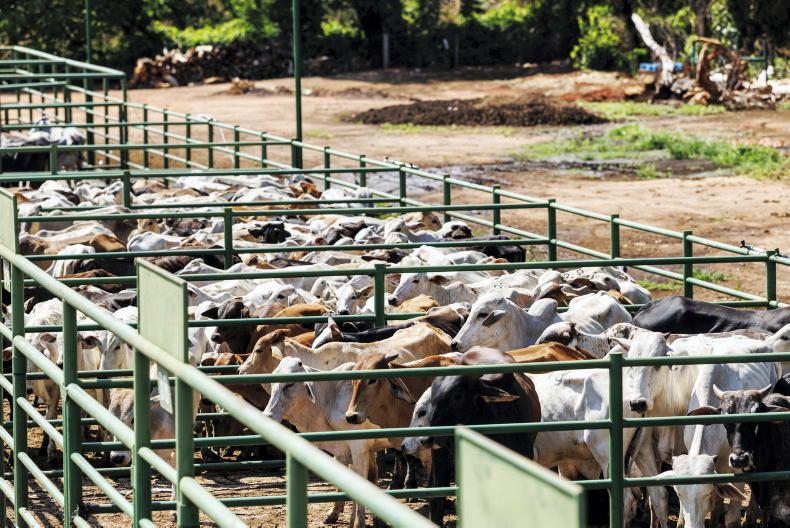
In the 1970s, meat plants made a fortune from the European systems put in to support beef farmers’ incomes.
The cattle collapse in the autumn of 1974 meant there was huge pressure to get stock killed.
IMP shared in this bonanza but unfortunately, from a farmer’s point of view, IMP made a disastrous deal for forequarters with Israel and never fully recovered.
The programme only took us up to where Goodman and his empire faced bankruptcy in the summer of 1989, partly because of unpaid debts from Iraq but also, in an apparent lack of focus by Goodman, as he expanded into the dairy and grain business as well as a disastrous foray into a British stock exchange-quoted sugar business.
At that time, the degree of political and civil service influence was enormous. The beef management committee met regularly in Brussels to decide on the level of export refunds to apply to beef being exported outside the European Economic Community as well as the quantity and type of beef to be taken into intervention.
This committee was chaired by a senior Commission official with a civil servant representative of each member state contributing to the decision-making process.
The Irish Minister of the day was hugely conscious of its decisions and its effect on prices and it was not surprising that they would be subject to intense lobbying by the industry and by farmers.
Larry Goodman, as a major player, did not hesitate to approach politicians and civil servants to make his case as to what was in Ireland’s and coincidentally his own company’s interests.
He formed relationships with Commission officials, Irish politicians of all parties and senior civil servants. The best example of his ability to form linkages with key people was demonstrated when Jimmy O’Mahony, the legendary long-acting Secretary General of the Department of Agriculture joined his Food Industry’s board in 1988.
O’Mahony was a man of unquestioned integrity and capacity and his joining the Goodman board added to Goodman’s credibility.
The programme mentioned the false, allegedly contractor-applied stamps in the Waterford plant and several other issues were spoken about at the time.
It was accepted that while Goodman paid comparatively modest base salaries, executive bonuses could be large and were related to the profits earned by the plants run by their management.
Goodman always maintained that wrongdoing would not be tolerated – nevertheless, it’s undeniable that abuses took place as the beef tribunal, still in the future, would demonstrate.