



Spikes in food price inflation later in the year could result in a global agri-food disaster later this year if ships carrying key inputs don’t start moving through the Strait of Hormuz, according to the Food and Agriculture Organisation of the United Nations (FAO).
In a recent podcast, FAO chief economist Maximo Torero said that “the clock is ticking” and poorer countries are most at risk of scarce and expensive fertiliser and energy inputs.
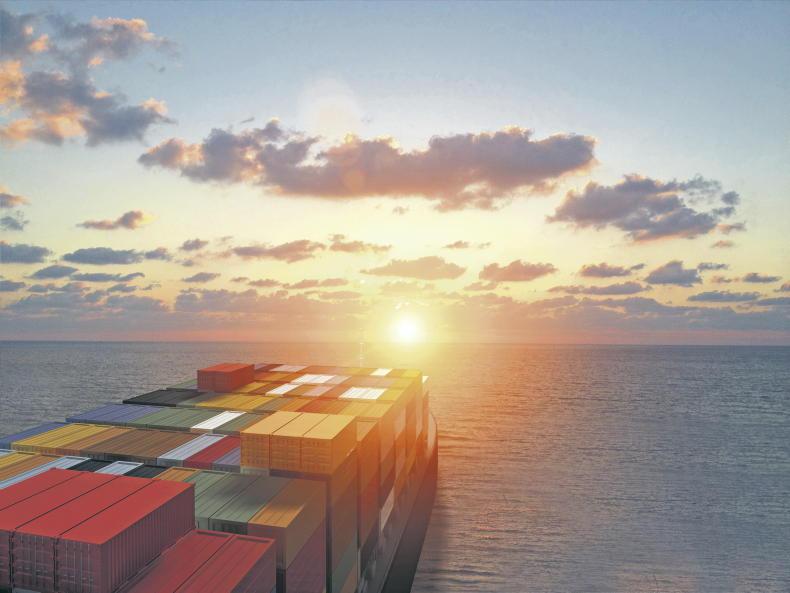
Some 20-45% of key agri-food inputs pass through the Strait of Hormuz.
“The last thing we want is lower crop yields and higher commodity prices and food inflation for the next year,” Torero stated.
The most recent FAO food price index for March showed sufficient supplies of most food commodities; however pressure is rising and this may change going forward.
Farmers will also be making decisions on planting choices due to fertiliser availability and may allocate more land to biofuels to benefit from higher oil prices which may reduce global food supplies.
“We are in an input crisis; we don’t want to make it a catastrophe, the difference depends on the actions we take,” stated David Laborde director of FAO’s agri-food economics division.
The FAO has urged all countries to consider biofuel mandates and to avoid restrictions on exporting energy and fertilisers. It was also noted that the risks today are significantly greater than in 2022 during the COVID-19 pandemic.



SHARING OPTIONS