


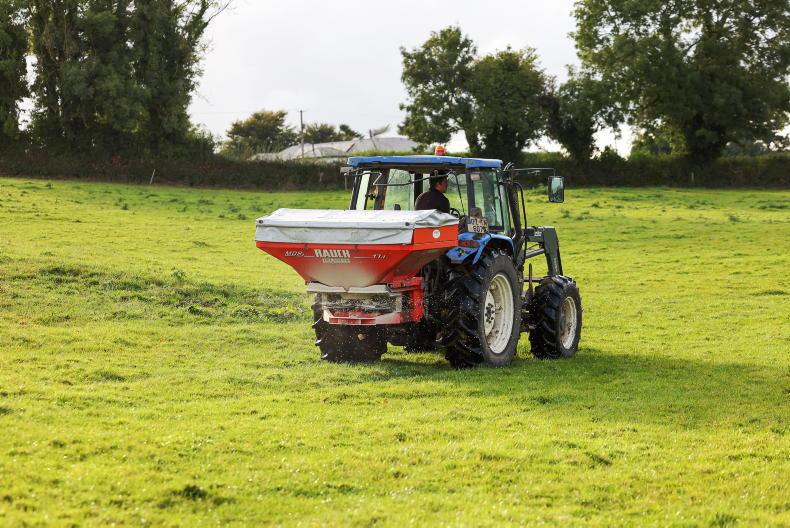
The continued closure of the Strait of Hormuz is taking 2m tonnes of fertiliser per week out of global markets, or 8m tonnes per month, RaboResearch has stated.
Fertiliser prices are set to stay high for the remainder of the year as a consequence, bank’s research arm has warned.
With 30% of global urea, 27% of ammonia, 24% of phosphates and 48% of sulphur generally transiting through the vital shipping lane, Rabobank claimed that the current supply shock caused by the strait closure was “both deeper and more complex” than the disruptions seen during and after the 12-day Israel-Iran war in 2025.
“The fertiliser market faces a prolonged period of tight supply, weak affordability, heightened price and heightened price risk,” RaboResearch stated in its recent semi-annnual fertiliser outlook.
“Even if geopolitical tensions ease, normalisation will be slow,” the report maintained.
The current tightening in fertiliser supplies has hit India, Pakistan, Bangladesh, Australia and Brazil particularly hard
RaboResearch’s inputs analyst Doriana Milenkova predicted that there would be continued pressure on farmgate prices, with the 30-40% hike in fertiliser costs that has already been seen since the start of the conflict remaining in place for the rest of the year.
The current tightening in fertiliser supplies has hit India, Pakistan, Bangladesh, Australia and Brazil particularly hard as they are currently in the market for fertiliser, Milenkova explained.
Europe has escaped the worst of the current crisis because the Gulf is not a major fertiliser supplier to the EU and the UK, the RaboResearch analyst said. But she cautioned that securing supplies for the 2026-27 season could be more difficult.
While RaboResearch is not suggesting that Europe will face serious fertiliser shortages, Milenkova said traders will “have to start buying early and build inventories” to secure sufficient supplies.
Meanwhile, the domestic trade for fertiliser is described as “middling”, with strong stocks reported at both farm and merchant level in the south and east.



SHARING OPTIONS