



The decision by the EU Commission to implement a ban on Brazilian beef from 3 September 2026 is the right one.
Member states ratified the proposed ban at a vote in Brussels this week, with Brazil being removed from a list of countries which the EU has validated as being acceptable to import beef from.
The countries on the list have proven their compliance with the EU restrictions on antimicrobial use in food producing animals. The European Commission has then carried out an assessment of their compliance and formed an opinion on whether they should be included on the list or not.
Under EU rules, the use of antimicrobials or antibiotics in livestock for weight gain is prohibited. Animals also can’t be treated with antibiotics that are reserved for human use.
Ironically, I attended a UCD seminar last week on the topic of “One Health“ and the fact that health traverses across the animal and human divide, is something society hasn’t been good at grasping.
Speaking at the event, former World Health Organisation deputy director general Dr Mike Ryan singled out antimicrobial resistance for mention in his speech as being one of the great challenges of our time, and that not enough attention is being paid to it to address the widespread concerns on its implications for both human and animal health.
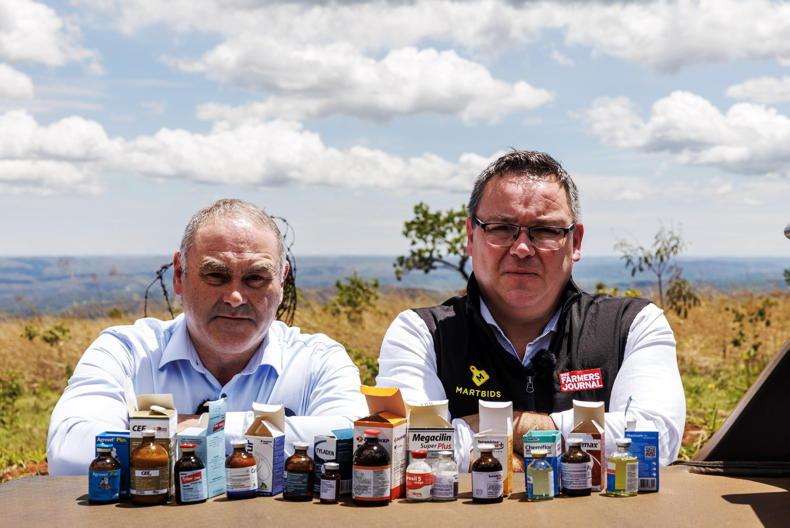
In November 2025 I travelled to Brazil along with Philip Doyle, picture editor with the Irish Farmers Journal and Tomás Bourke, senior policy executive with the IFA, and we saw first hand the differences that exist between EU management of antibiotics and Brazil’s lack of any standards.
During the trip, we were able to purchase high level antibiotics which are heavily regulated for use in Europe and categorised HPCIA (Highest Priority Critically Important Antibiotics).
Freely purchase
We were able to walk into farm shops and stores and freely purchase prescription-only antibiotics without a prescription, without a herd number, without a tag number, without identification and most importantly of all, without speaking Portuguese.
We pointed to some of the antibiotics that we wanted on the shelf and paid for them with either cash or card. None of the antibiotics that we purchased had a barcode on the bottles or boxes, demonstrating that there is currently no system for recording either the purchase or use of antibiotics in Brazil.
This also highlighted the flagrant disregard that the Brazilian authorities have for antibiotic usage and in turn, the development of antimicrobial resistance.
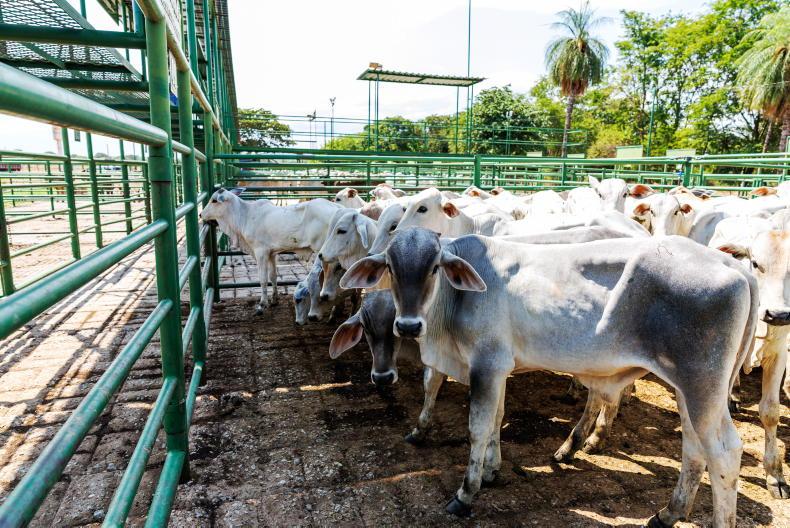
We witnessed the widespread use of in-feed antibiotic use for promoting higher cattle growth rates in feedlots in Brazil and also the availability of hormones to purchase that have been banned in the EU since the 1980s.
The EU has a target of reducing antibiotic usage by 50% by 2030, with a continuing tightening of the availability of high-level antibiotics.
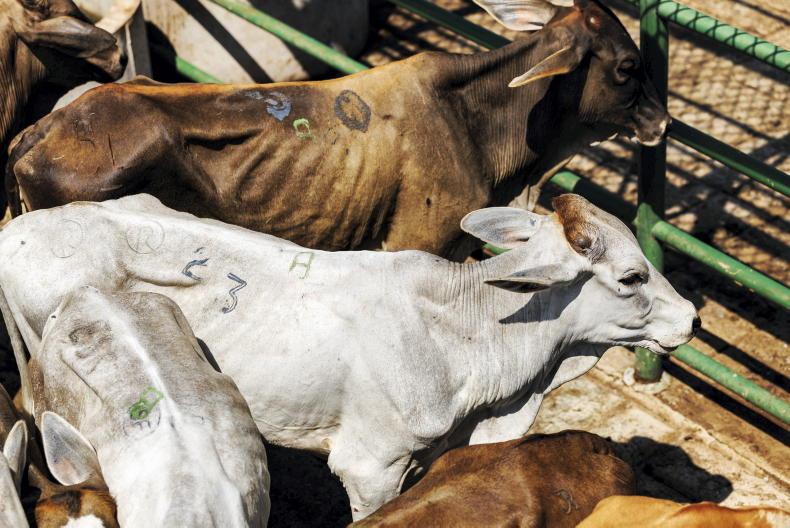
To add to the complete lack of monitoring of antibiotic usage, we also found a total lack of any traceability system throughout the supply chain from farms, through livestock marts and onto slaughter plants.
There was also a huge amount of confusion about what the actual regulations were for entry to the EU market at farm level. In my opinion, it will take years for Brazil to implement any type of recording system of usage of antibiotics on farms.
The EU will then have to satisfy itself that these systems are in place and more importantly, being adhered to by Brazilian farmers and feedlots. One of the bigger questions to be asked is how Brazil is being allowed a number of months to rectify the situation.
Under the safeguards attached to the Mercosur trade agreement, EU farmers were told that a stop on imports would be applied a lot quicker if discrepancies were found.
The question might also be posed as to whether the Mercosur trade deal would have been provisionally applied had this information been available to the general public at the time.
For now, Brazilian beef won’t be allowed into Europe from 3 September 2026 but Uruguay, Paraguay and Argentina will take up any quota not filled, so the threat of South American beef to the EU market hasn’t gone away.




SHARING OPTIONS