


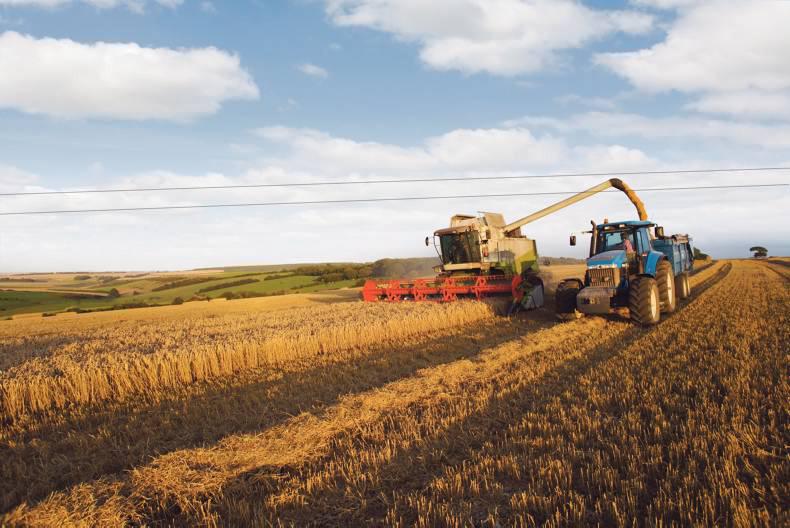
As we approach harvest and the end of the growing season, it seems unlikely that grain growers will encounter record yields to cushion against price pressures. While there are many excellent crops, there is also a proportion which has obviously suffered from one problem or another.
Price continues to be pressured by the prospects of another big global harvest. Early wheat harvest reports substantiate this sentiment. High stocks add to the problem. The consequence is that the market believes that lower prices are necessary to secure sales and consumption in an oversupplied market.
The major price pressure is expected on wheat -- feed grain supply was expected to be tighter. However, high maize planting and continuing good prospects for yield are holding up harvest estimates. While wheat (milling) was under the greatest supply and price pressure, wet conditions in parts of Europe and the US may push some of this crop into the feed pile to further increase feed grain supplies.
Price pressure
Prices are likely to remain under pressure in the short term.
Back home, we are most likely looking at an average harvest. While most winter wheat crops have remained relatively free of septoria, take-all is evident in a proportion of second or third wheat crops. There is also a bit of ear blight evident but perhaps this is even more visible in winter barley crops.
Most barley crops are still standing but many have lodged patches. Some crops have suffered from lack of moisture and most are generally less full than they were last year. Foliar disease incidence remained low but ear disease might take a little from final yield.
Most spring barley crops appear to be good but there are fewer excellent crops than last year, plus a proportion of visibly poor crops.
Oats appears to have turned very fast and we must await the consequences of that on yield.



SHARING OPTIONS