


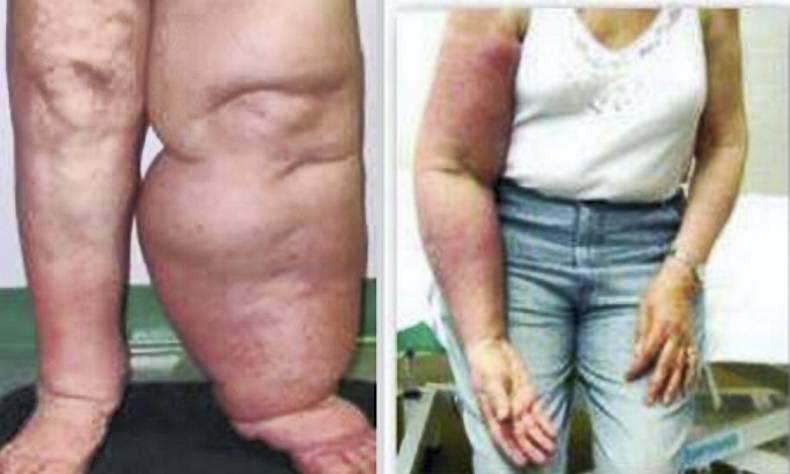
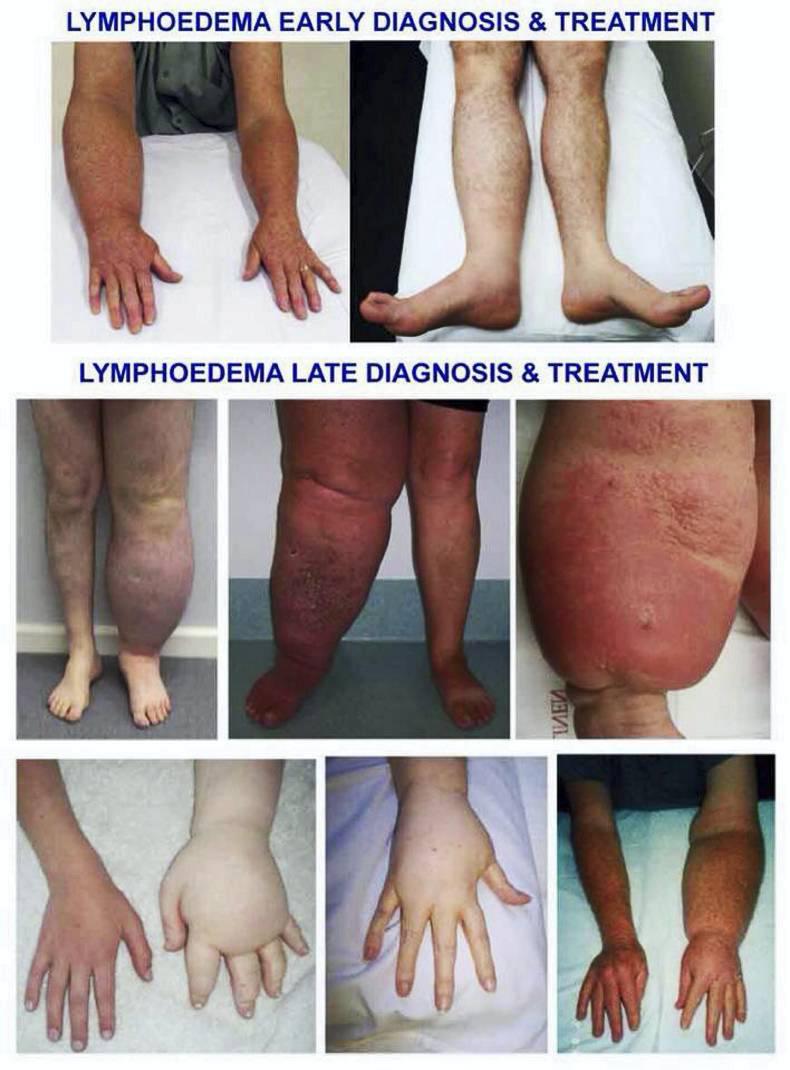
Lymph node removal during cancer surgery is often the cause of lymphoedema. Enlarged limbs, cellulitis, ulceration and immobility can be the consequences of it, making it a very unpleasant experience for all those affected.
15,000 people in Ireland already have lymphoedema and 1,200 develop it each year following cancer treatment. There is no cure and almost 33% of those who develop breast cancer will be affected by it. Lymphoedema (lim-fo-dee-ma) is chronic swelling caused by a build-up of fluid in the body’s tissues. It happens when the one-way-drainage lymphatic system isn’t working properly.
Normally this system takes fluids and waste matter (lymph) away from the body’s tissues and also supports the body’s immune system to fight infection.
Removing nodes or damaging them during chemotherapy can therefore lead to this swelling (oedema). Arms become swollen if nodes in the underarm have been affected and legs become enlarged if nodes in the groin area have been disturbed, according to Lymphoedema Ireland.
“The number of people with this condition is rising each year but services for them aren’t good enough,” says Nina Murray, chairperson of the patient-led support network for those with the condition.
“There is no cure for lymphoedema unfortunately, and it is a progressive disorder that can have a devastating impact on patients’ lives. We need a co-ordinated service, not one that is sparse and uneven around the country.”
Professor Colgan, a vascular disease expert based at Trinity College Dublin and St James’s Hospital, points out that Northern Ireland and Wales already have a co-ordinated lymphoedema network that the Republic would do well to emulate.
“Setting up a similar one here would save money in the long run because we’d have better patient outcomes,” he states.
Europa Donna Ireland, the patient advocacy group working for better breast cancer services, is also campaigning for better services for those with lymphoedema.
“It’s a condition that’s not well understood here in Ireland,” says chairperson Dympna Watson, “and hundreds of people across the country suffer in silence with it, unable to get the help they need.”
ONE WOMAN’S STORY
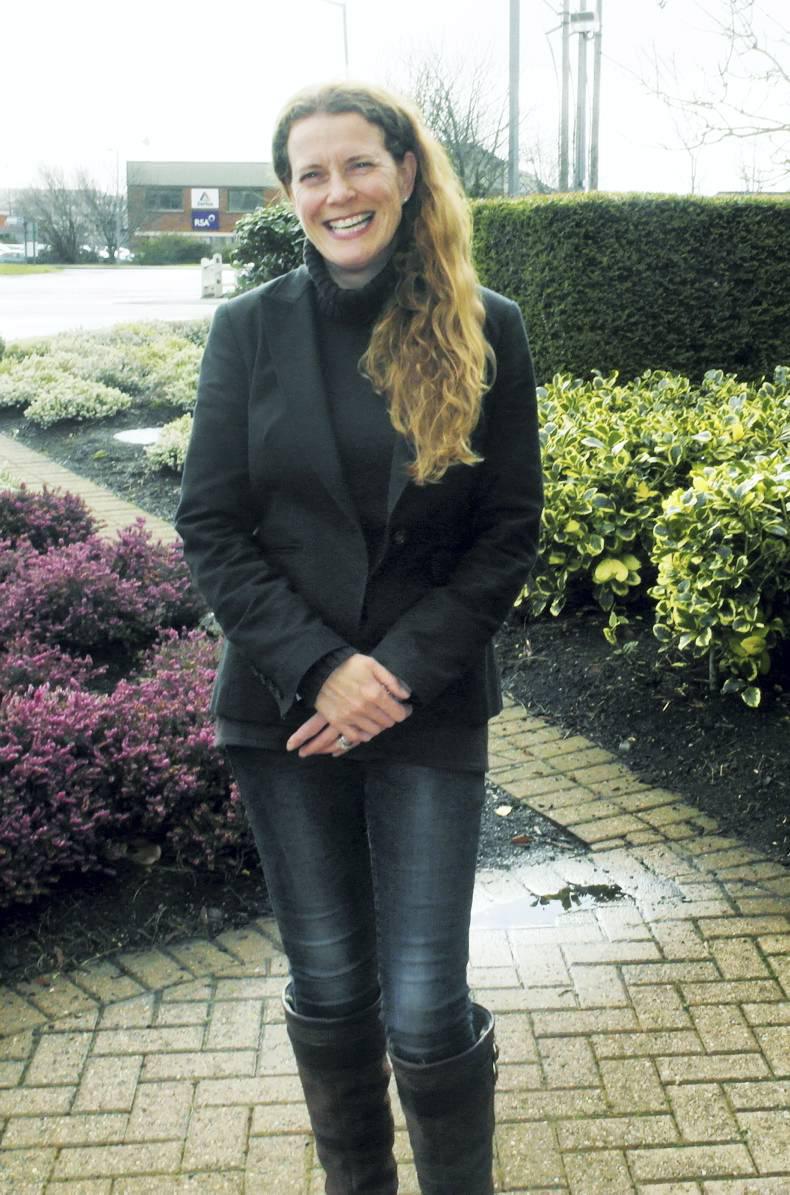
Karen Brennan knows all about the struggle to get proper services. She had to travel to Germany to find them. She is a mum to two teenagers and a business improvement manager with Boston Scientific in Galway. She has been living with lymphoedema since 2010. She was diagnosed with cervical cancer in September 2004 and had radical surgery in October 2005 to treat the condition.
Twenty-four lymph nodes were removed from her groin area to make sure that the cancer hadn’t spread into her lymphatic system, but it was several years down the line before she was diagnosed with lymphoedema.
“2010 was the start of the serious problems. I was diagnosed with it that January and treated for an infection in hospital for two weeks. Infections have occurred several times since and I ended up in hospital for two weeks having intravenous antibiotics to treat the last infection. I got infections in my arms then as well as my legs because of the cannula, so it was a really horrible experience. I’m now on a daily antibiotic to help prevent infection.”
Karen found the services in Ireland inadequate and was glad to hear of the FOLDI clinic in Germany through another person with lymphoedema.
Lymphoedema centre
“It’s been my lifesaver,” she says. “It’s a lymphoedema centre of excellence. There are two in Europe – the Foldi clinic in Germany and the Vodder clinic in Austria.
“I wouldn’t be as well as I am if I hadn’t gone there. I first went to Foldi in October 2011, availing of the E112 treatment abroad scheme.
“The intensive four-week treatment involved wrapping, physiotherapy, special exercises and MLD (manual lymphatic drainage) everyday to manually drain the fluid out of the leg to bring it back to maximum condition.”
MLD, a hands-on therapy, works to redirect fluid from swollen areas to healthy lymphatic vessels using precise hand movements and different degrees of pressure on the skin.
“The therapists there basically trained me in how to manage my lymphoedema, psychologically and physically. It is a huge psychological shift to deal with your body changing like that.”
Karen received funding to go to the FOLDI clinic twice but support stopped there. She had to fund her last visit herself and she plans to go every two years from now on in order to control her condition.
“Doctors here haven’t been taught enough about the condition,” she says. “It doesn’t seem to be on the medical agenda in Ireland, but it will have to be as it’s going to become more common as more and more people develop it after cancer treatment.”
MANAGING THE CONDITION
So what is Karen’s daily routine to cope with her condition?
Her routine takes 45 minutes every morning and evening and involves her husband’s assistance.
“In the morning I take off the wraps from the night before. I give myself MLD before putting on my compression stockings. Then it’s work and normal exercise after that. At night, my husband, who has been taught how to do MLD, helps me with the MLD routine. After that I shower and cream my leg and then bandage it with the aid of foam for the night.”
Foam?
“Yes, you have to put pieces of foam in the nooks and crannies of your leg in order to maintain the shape around your ankles and the knees, for instance. The lymph fluid gets caught between your muscles and your bone, you see, and it can be hard to get it out of there. The foam pieces in there help to move the fluid out during the night when it’s bandaged up and bring back the shape to your leg.”
Karen admits that the routine is hard work.
“It does get on top of you sometimes, especially if you’re feeling tired or a bit sick. Thankfully, my infections are gone and I’ve good energy levels, but if you’re having a bad day it becomes a huge chore.”
Karen wears high-compression stockings on both legs every day and also needs a compression garment round her abdomen.
Exercise is a huge part of Karen’s life: “I’ve a very active lifestyle. I walk, jog, run, ski in winter and do yoga every week. I found another person, a woman with lymphoedema, who is a runner and she inspired me. I run 5km max – just enough to help me stay strong, but if I didn’t exercise then my leg would be a lot harder and fuller. Everything a person does, from breathing to lifting your arm to swinging a golf club, is helping you move your lymph system and clearing it,” she adds. “That’s why deep breathing is very good too.”
THE LAST STRAW
Being told you have lymphoedema after cancer treatment can be a shock, she says.
“Some people have been through chemo and radiation and then to be told they have this at the end of it – it can be the last straw. They don’t know what to do or where to turn.
“Lymphoedema is very uncomfortable and can affect your self-confidence. You’re restricted in what you wear, for example. I can never wear a pair of shorts in the summer again. I can’t wear certain styles of jeans either as they’ll only fit properly on one leg. I either wear palazzo trousers or stretchy skinnies.
“People need to know about lymphoedema. It is a huge issue for many people. Some can’t get enough services like MLD and even then it can cost €70 an hour with a private physiotherapist. We need a higher standard of care here and better access to treatment.
“Lymphoedema can happen years after cancer surgery,” she points out. “You don’t know you have it initially then it gets to the stage where your lymphatic system can’t cope with the overload and it packs in. Learning to do the manual drainage myself has made a difference to me but I don’t like being on daily antibiotics. That’s a battle for the future but I’ll be looking to my consultant in Germany for guidance. Doctors here need to be taught a lot more about treating lymphoedema.” CL
Information
See www.lymphireland.com for more information. The Irish Cancer Society has a leaflet called reducing your risk of lymphoedema. See www.cancer.ie. You can also download an information leaflet about lymphoedema care by logging on to www.europadonnaireland.ie and www.foeldiklinik.de.


SHARING OPTIONS