It was recently announced that a new traditional farm buildings grant is going to be made available to farmers participating in the Green, Low-Carbon, Agri Environmental Scheme (GLAS).
The deadline for submitting an application for the GLAS traditional farm buildings grant scheme is Friday 6 May. All of the terms and conditions of the scheme are available on the Heritage Council’s website.
In this article, we summarise the main points to note for farmers contemplating applying to the scheme. Anna Meenan, project manager with the Heritage Council, said that scheme covers more than just buildings. It covers traditional farm features such as stone pillars and walls, while traditional gates will also be considered in applications. She said that there has been a lot of interest in the scheme since its opening. It is jointly funded by the Department of Agriculture, Food & the Marine and the European Union and is administered by the Heritage Council. The financial allocation to the scheme is €6m for the lifetime of the 2014-2020 Rural Development Programme.
Several different tranches of the scheme will open and close from now until 2020. According to the Heritage Council, grants for successful applications will not exceed 75% of the cost of the works, with a maximum grant of €25,000 and a minimum grant of €4,000 being made.
The scheme is only open to farmers who:
Have a GLAS contract with the Department of Agriculture and who are approved for participation in the GLAS scheme; and Are the owner of the building/other related structure for which funding is sought or are acting with the permission of the owner (in which case the owner must sign the application form).The principal objective of this scheme is to ensure that traditional farm buildings and other related structures that contribute to the character of the landscape, and are of significant heritage value, are conserved for agricultural use.
Eligible buildings
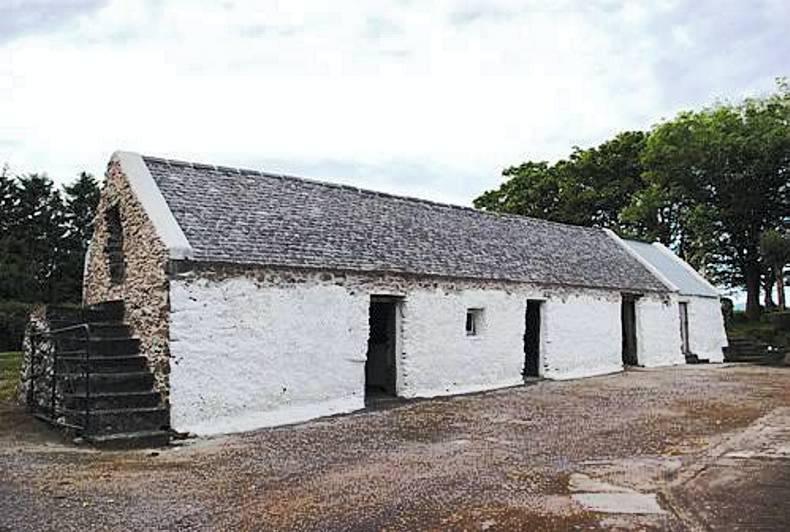
Traditional farm buildings constructed before 1960 for a use associated with agriculture, and built using traditional methods and materials such as timber, brick, stone, earth, tile, slate or thatch and which were, or still are, used for an agricultural purpose.Other traditional buildings now used as farm buildings.Reinstatement of previously existing features which were removed (such as a building which has lost its roof) will only be considered where the Heritage Council deems that exceptional circumstances apply and if there is strong evidence, eg old photographs of their former appearance and they complete an otherwise intact environment. Ruined buildings, where more than 50% of the building has been lost, will not be considered.Other related traditional farm structures, such as historic yard surfaces, landscape features around the farmyard –walls, gate pillars, gates, millraces, etc.The buildings and other related structures must be in fair condition: they must be repairable and have surviving materials that contribute to their character.Ineligible buildings
Farmhouses, residential or domestic buildings, currently in occupation or intended for occupation.Buildings already converted to a non-agricultural use, such as a residential or non-agricultural business use.Traditional farm buildings which are intended to be converted to a non-agricultural use during the life of the current GLAS agreement.Corrugated iron hay barns.Post-1960 farm buildings such as slatted sheds or milking parlours.Types of work
The following is a list of the types of work envisaged:
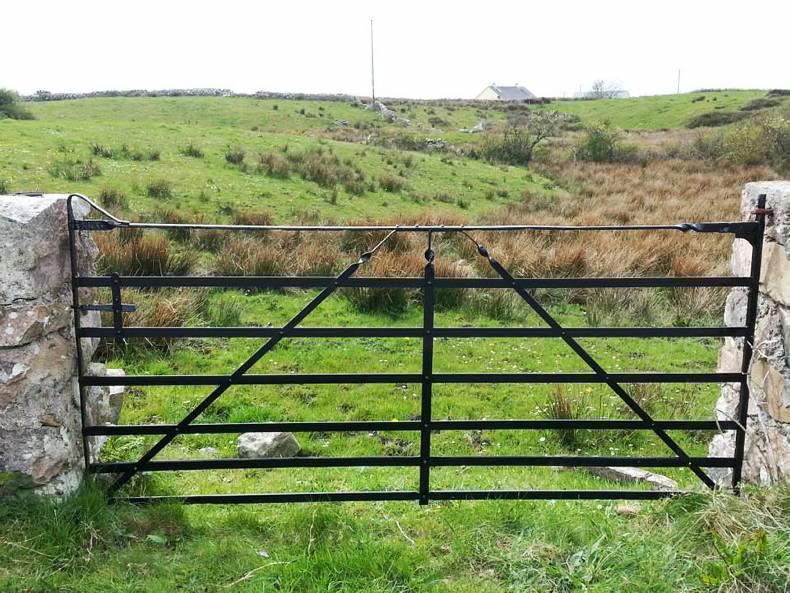
Repair of a slate, thatch or small-scale corrugated iron roof including its structure.Re-pointing of stone walls in earth or lime mortar.Re-plastering of stone walls in lime plaster.Repair of earthen walls, or parts of walls.Repair or reinstatement of timber doors or windows.Repair/renewal of lintels.Structural repairs to prevent walls leaning over/ensure structural stability.Repair of loft where it is required to ensure structural stability.Repair of rainwater goods where they are pre-existing.Drainage works where they are deemed necessary to ensure structural stability.Repair of other related farm structures and features such as dry stone or lime-mortared stone boundary walls around the farmyard, wrought or cast iron farm gates, stone-paved or cobbled yards or trackway surfaces, gate piers.Ineligible works
Internal works, other than those that are required to ensure structural stability.Alterations and improvements.Routine maintenance and minor repairs.Works already carried out or under way.Works that cost below the threshold of the minimum grant.Works and interim report
The Heritage Council says it is important that an appropriately qualified conservation consultant provides advice and oversees the works to be carried out. Applicants are not required to employ this person at the application stage.
The cost of supervision can be included in the overall costs of the project for grant aid. The conservation consultant will, on behalf of the successful applicant, be required to submit a conservation specification on the works proposed, to supervise the project as it progresses, to provide an interim report and on completion a final report.
Upon completion the conservation consultant will also sign off on the costs claimed and the standard of works carried out. Works cannot begin until the conservation specification is submitted and agreed with the Heritage Council. It should be agreed at least three months prior to the end date for completion of works. The conservation specification will include:
A concise description of the existing structure, noting its significance, appearance, setting, condition, present use, floor area (if building applied for), brief architectural history (if available), and the materials it is made of.A concise description of the works proposed identifying the issues that are causing risk or decay, what remedial repairs are proposed, how they will be done, what materials will be used and how the fabric will be conserved.Photographs and/or other illustrations.Details of on-site supervision and monitoring.Completion and payments
On submission of the interim report, a checklist will be sent to applicants outlining that the following documents must be submitted in support of a claim for payment:-
Signed completed checklist.Completion report by the conservation consultant on the project.Costs certified by the conservation consultant including receipts.Own-labour timesheets signed by the conservation consultant (as appropriate).Confirmation that statutory consents have been received (as appropriate).Signed declaration on VAT status.Current tax clearance certificate in applicant’s name for grants over €10,000.Approvals
Successful applicants will have two weeks to inform the council of their decision to accept or reject a grant. Unsuccessful applications will not be carried forward through to following years of the grant scheme.
A copy of the application form can be obtained in advance of each tranche by contacting the Heritage Council by telephone on 056 7770777 or it can be downloaded from www.heritage council.ie.
Completed applications must be submitted in hard copy format only to The Heritage Council, Áras na hOidreachta, Church Lane, Kilkenny by the stated closing date. Applicants are not required to employ a qualified conservation consultant at the application stage.
Required supporting documentation to be submitted:
A signed completed application form.A site location map with location of building and/or other related structure clearly marked in red.Photograph of the exterior.Photograph of the interior (if applying for building).Photograph of any parts in need of repair.Photograph of building or other related structure in wider surrounding from a public place (where available).A cost estimate.Consent of owner (as appropriate).
It was recently announced that a new traditional farm buildings grant is going to be made available to farmers participating in the Green, Low-Carbon, Agri Environmental Scheme (GLAS).
The deadline for submitting an application for the GLAS traditional farm buildings grant scheme is Friday 6 May. All of the terms and conditions of the scheme are available on the Heritage Council’s website.
In this article, we summarise the main points to note for farmers contemplating applying to the scheme. Anna Meenan, project manager with the Heritage Council, said that scheme covers more than just buildings. It covers traditional farm features such as stone pillars and walls, while traditional gates will also be considered in applications. She said that there has been a lot of interest in the scheme since its opening. It is jointly funded by the Department of Agriculture, Food & the Marine and the European Union and is administered by the Heritage Council. The financial allocation to the scheme is €6m for the lifetime of the 2014-2020 Rural Development Programme.
Several different tranches of the scheme will open and close from now until 2020. According to the Heritage Council, grants for successful applications will not exceed 75% of the cost of the works, with a maximum grant of €25,000 and a minimum grant of €4,000 being made.
The scheme is only open to farmers who:
Have a GLAS contract with the Department of Agriculture and who are approved for participation in the GLAS scheme; and Are the owner of the building/other related structure for which funding is sought or are acting with the permission of the owner (in which case the owner must sign the application form).The principal objective of this scheme is to ensure that traditional farm buildings and other related structures that contribute to the character of the landscape, and are of significant heritage value, are conserved for agricultural use.
Eligible buildings
Traditional farm buildings constructed before 1960 for a use associated with agriculture, and built using traditional methods and materials such as timber, brick, stone, earth, tile, slate or thatch and which were, or still are, used for an agricultural purpose.Other traditional buildings now used as farm buildings.Reinstatement of previously existing features which were removed (such as a building which has lost its roof) will only be considered where the Heritage Council deems that exceptional circumstances apply and if there is strong evidence, eg old photographs of their former appearance and they complete an otherwise intact environment. Ruined buildings, where more than 50% of the building has been lost, will not be considered.Other related traditional farm structures, such as historic yard surfaces, landscape features around the farmyard –walls, gate pillars, gates, millraces, etc.The buildings and other related structures must be in fair condition: they must be repairable and have surviving materials that contribute to their character.Ineligible buildings
Farmhouses, residential or domestic buildings, currently in occupation or intended for occupation.Buildings already converted to a non-agricultural use, such as a residential or non-agricultural business use.Traditional farm buildings which are intended to be converted to a non-agricultural use during the life of the current GLAS agreement.Corrugated iron hay barns.Post-1960 farm buildings such as slatted sheds or milking parlours.Types of work
The following is a list of the types of work envisaged:
Repair of a slate, thatch or small-scale corrugated iron roof including its structure.Re-pointing of stone walls in earth or lime mortar.Re-plastering of stone walls in lime plaster.Repair of earthen walls, or parts of walls.Repair or reinstatement of timber doors or windows.Repair/renewal of lintels.Structural repairs to prevent walls leaning over/ensure structural stability.Repair of loft where it is required to ensure structural stability.Repair of rainwater goods where they are pre-existing.Drainage works where they are deemed necessary to ensure structural stability.Repair of other related farm structures and features such as dry stone or lime-mortared stone boundary walls around the farmyard, wrought or cast iron farm gates, stone-paved or cobbled yards or trackway surfaces, gate piers.Ineligible works
Internal works, other than those that are required to ensure structural stability.Alterations and improvements.Routine maintenance and minor repairs.Works already carried out or under way.Works that cost below the threshold of the minimum grant.Works and interim report
The Heritage Council says it is important that an appropriately qualified conservation consultant provides advice and oversees the works to be carried out. Applicants are not required to employ this person at the application stage.
The cost of supervision can be included in the overall costs of the project for grant aid. The conservation consultant will, on behalf of the successful applicant, be required to submit a conservation specification on the works proposed, to supervise the project as it progresses, to provide an interim report and on completion a final report.
Upon completion the conservation consultant will also sign off on the costs claimed and the standard of works carried out. Works cannot begin until the conservation specification is submitted and agreed with the Heritage Council. It should be agreed at least three months prior to the end date for completion of works. The conservation specification will include:
A concise description of the existing structure, noting its significance, appearance, setting, condition, present use, floor area (if building applied for), brief architectural history (if available), and the materials it is made of.A concise description of the works proposed identifying the issues that are causing risk or decay, what remedial repairs are proposed, how they will be done, what materials will be used and how the fabric will be conserved.Photographs and/or other illustrations.Details of on-site supervision and monitoring.Completion and payments
On submission of the interim report, a checklist will be sent to applicants outlining that the following documents must be submitted in support of a claim for payment:-
Signed completed checklist.Completion report by the conservation consultant on the project.Costs certified by the conservation consultant including receipts.Own-labour timesheets signed by the conservation consultant (as appropriate).Confirmation that statutory consents have been received (as appropriate).Signed declaration on VAT status.Current tax clearance certificate in applicant’s name for grants over €10,000.Approvals
Successful applicants will have two weeks to inform the council of their decision to accept or reject a grant. Unsuccessful applications will not be carried forward through to following years of the grant scheme.
A copy of the application form can be obtained in advance of each tranche by contacting the Heritage Council by telephone on 056 7770777 or it can be downloaded from www.heritage council.ie.
Completed applications must be submitted in hard copy format only to The Heritage Council, Áras na hOidreachta, Church Lane, Kilkenny by the stated closing date. Applicants are not required to employ a qualified conservation consultant at the application stage.
Required supporting documentation to be submitted:
A signed completed application form.A site location map with location of building and/or other related structure clearly marked in red.Photograph of the exterior.Photograph of the interior (if applying for building).Photograph of any parts in need of repair.Photograph of building or other related structure in wider surrounding from a public place (where available).A cost estimate.Consent of owner (as appropriate). 





SHARING OPTIONS