Irish livestock marts pride themselves on the transparent and competitive platform they offer their customers to trade within. The trading environment and day-to-day running of the business has, however, changed significantly in recent years, with many further hurdles possibly coming down the line.
As well as adding a share of complications to normal business, and in cases improvements to the service offered, the big impediment from recent and future challenges is a sharp rise in mart operating costs. We caught up with Ray Doyle, ICOS marts executive, to gauge the mood in the sector and discuss the positives and negatives of recent changes in daily mart trading.
PSRA and mart trading
Trading in all livestock marts now has to comply with the Property Services (Regulation) Act 2011, policed by the Property Services Regulatory Authority (PSRA). The PSRA ensures that marts operate under stringent guidelines with a particular emphasis on client account maintenance.
The PSRA also applies to mart auctioneers and all personnel selling stock must also comply with the regulations.
While there were many teething problems at the outset in gaining licences, a recent survey by the Irish Farmers Journal found that the majority of the country’s marts are now registered. Ray explains that PSRA compliance gives further security to farmers. “The PSRA appointed Maeve Hogan as CEO last August and marts have been very proactive in becoming compliant with the regulations. It gives even further confidence and peace of mind that co-op cheques or payment will be honoured. It has become a necessary part of day-to-day business and, while it is a positive in terms of security, it raises headaches for mart managers and their committees, not to mention the associated compliance and auditing costs.”
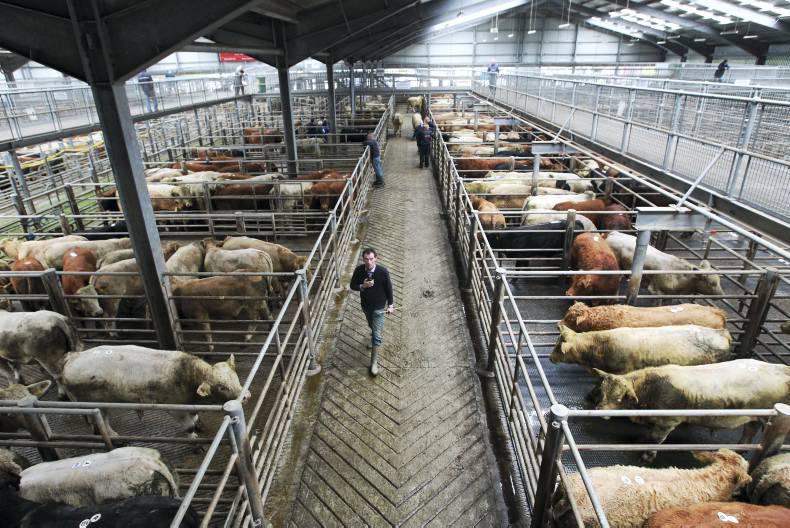
Rising operating costs are likely to further add to income pressure in marts with low throughout
Maintaining compliance is not a straightforward process. For example, for the mart to comply, all members of the board (or owner) must have their tax affairs in order and possess a tax clearance cert. It is also a cost to bear for marts, with compliance costing in the region of at least €2,000, rising to a multiple of this where a business has a number of premises or auctioneers listed as direct employees.
The PSRA website maintains an up-to-date listing of all licensed properties and customers can check if their mart is compliant. It is also worth noting that marts that may not be listed may in some cases have all their required documentation in order and may be pending approval. Details of this can be checked with the PSRA.
IT services
The most apparent change many customers will see to trading in autumn sales are new screens detailing breeding information of female stock being traded. This stems from access to breeding information being an integral part of the Beef Data and Genomics Programme (BDGP).
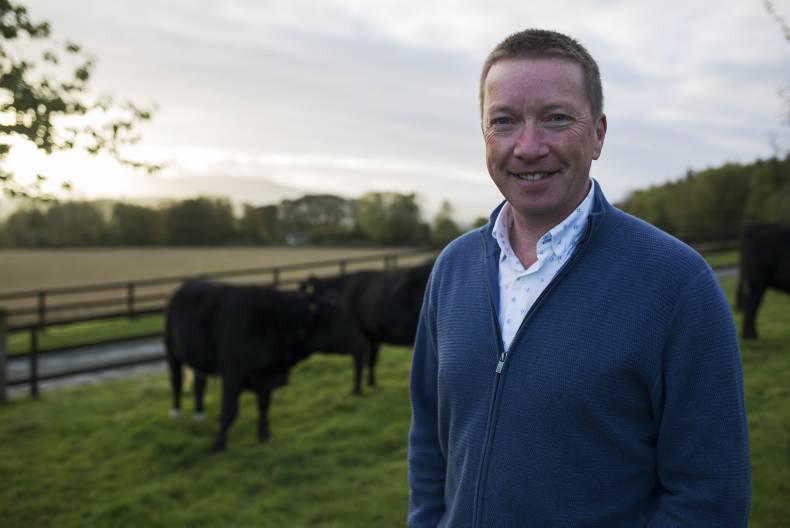
 Marts have had to react to the programme and the requirements rather than being able to go through a transition period and Ray (photo) says that this again shows the commitment to providing the best service possible.
“Access to more information is not a new phenomenon for marts. Changes have been made in recent years to display information such as quality assurance status and the number of moves, for example. Farmers need reliable information to comply with the BDGP and the only way to get easy and accurate access for most customers is to have it displayed. While funding under the Mart Modernisation Scheme, operated by the Department of Agriculture, was very welcome, marts have had to invest considerably, with new screens and software costing up to and over €10,000. The fact that grant aid, which is working out at about €2,500 per eligible mart, is restricted to one ring only is a limitation for marts with high throughput.”
This is something that needs to be addressed, ideally with another grant-aid scheme coming into play once the initial one is concluded. The BDGP is the starting point and farmers will also be rightly looking for information on other animal classes. Calf sales are a prime example of this. Many buyers operating a dairy-beef system have been left disappointed in cases after purchasing calves that look good at a young age but perform poorly in a beef enterprise thereafter due to the presence of crossbred, Jersey or Holstein genetics.
Having access to dam and sire data would certainly go a long way in informing buyers as to the type of animal they are purchasing.
Another topical area Ray also highlights are new tag tenders and electronic tagging. “EID tagging has huge potential for marts and farmers alike in improving efficiencies and streamlining recording of data. It is important that EID is maintained as an important component in the approval of new tagging tenders for cattle. ICOS remains of the view that electronic identification of sheep will bring numerous benefits for the sector, especially in safeguarding identification and traceability.”
Internet bidding and alternate forms of bidding are also undergoing continual monitoring by ICOS and marts on an individual basis with the aim of using technology to give customers the best sales experience.
Likewise, the Irish Farmers Journal continues to bring buyers and sellers the latest mart prices in an accurate manner, made possible by mart co-operation.
Rising costs
Farmers have seen input and operating costs rise sharply in recent years. Marts have experienced overhead costs also creeping upwards, with insurance costs becoming a huge issue in 2016. Many marts have seen insurance premiums jump from 90% to 120%, translating into an increase from €20,000 to €25,000 or €40,000 to €55,000 for large-sized sales yards. Some marts are taking steps to reduce premiums with the introduction of health and safety areas, overhead walkways or non-designated zones during trading, which has helped limit the increase. Even with this, rising premiums are likely to erode operating margins.
Council rates: Ray also points to council rates as another big cost for marts. “Rates are an area ICOS have been looking at closely. Some marts are only operating one day per week but are paying similar rates to businesses operating for the full week. The only commercial activity that is taking place is in the sales ring, yet marts are being charged huge costs due to the area under penning and car parking. This will be one area in ICOS’s budget submission.”
Legislation and the future
There have been a lot of discussions with mart managers of late relating to moves by the Department of Agriculture to bring in stricter legislation across a number of areas. This includes banning the use of sticks by drovers and replacing with paddles, along with proposals to introduce water into every pen. There is no doubting that as an exporting nation, Ireland must be to the forefront in implementing rules that ensure optimum animal welfare. Decisions also have to balance health and safety and practicality. For example, introducing a water source into each individual pen will in theory provide water but the practicality of keeping them free of urine and faeces, both of which may have a greater risk of spreading disease by drinking contaminated water, will be difficult to achieve.
In addition, many farmers find that animals frequently travel better without access to water in the period immediately before loading. The positives and negatives of each need to be fully explored with whatever decision is taken, implemented on a phased basis or on a case-by-case situation where drinking points could be offered to animals spending a set number of hours in the facility.
Drovers and farmers loading and unloading cattle also have a responsibility to ensure that Ireland’s premium animal welfare reputation is maintained by taking any necessary precautions in handling animals.
Rising costs
Rising operating costs are likely to further add to income pressure in marts with low throughput. With about 88 marts and a heavy presence and high competition in some regions, this will undoubtedly raise the question of rationalisation in the sector again. However, with many rural areas buoyed by the trading that the presence of a mart in a small town brings, you can also see why rationalisation is a contentious issue. That said, it is difficult to ignore economies of scale, especially in an era where operating costs are rising.
Marts have witnessed increased cow throughput as a result of the ending of brucellosis testing with many farmers with smaller numbers benefiting from the strong competition from factory agents for much of the year.
You cannot but wonder if some of the restrictions that deter trading of factory-fit steers and heifers were removed, that this could be a lifeline that would bring more finished cattle to the ring and help to generate more trading.
Read more
To read the full Marts Focus Supplement click here.
Irish livestock marts pride themselves on the transparent and competitive platform they offer their customers to trade within. The trading environment and day-to-day running of the business has, however, changed significantly in recent years, with many further hurdles possibly coming down the line.
As well as adding a share of complications to normal business, and in cases improvements to the service offered, the big impediment from recent and future challenges is a sharp rise in mart operating costs. We caught up with Ray Doyle, ICOS marts executive, to gauge the mood in the sector and discuss the positives and negatives of recent changes in daily mart trading.
PSRA and mart trading
Trading in all livestock marts now has to comply with the Property Services (Regulation) Act 2011, policed by the Property Services Regulatory Authority (PSRA). The PSRA ensures that marts operate under stringent guidelines with a particular emphasis on client account maintenance.
The PSRA also applies to mart auctioneers and all personnel selling stock must also comply with the regulations.
While there were many teething problems at the outset in gaining licences, a recent survey by the Irish Farmers Journal found that the majority of the country’s marts are now registered. Ray explains that PSRA compliance gives further security to farmers. “The PSRA appointed Maeve Hogan as CEO last August and marts have been very proactive in becoming compliant with the regulations. It gives even further confidence and peace of mind that co-op cheques or payment will be honoured. It has become a necessary part of day-to-day business and, while it is a positive in terms of security, it raises headaches for mart managers and their committees, not to mention the associated compliance and auditing costs.”
Rising operating costs are likely to further add to income pressure in marts with low throughout
Maintaining compliance is not a straightforward process. For example, for the mart to comply, all members of the board (or owner) must have their tax affairs in order and possess a tax clearance cert. It is also a cost to bear for marts, with compliance costing in the region of at least €2,000, rising to a multiple of this where a business has a number of premises or auctioneers listed as direct employees.
The PSRA website maintains an up-to-date listing of all licensed properties and customers can check if their mart is compliant. It is also worth noting that marts that may not be listed may in some cases have all their required documentation in order and may be pending approval. Details of this can be checked with the PSRA.
IT services
The most apparent change many customers will see to trading in autumn sales are new screens detailing breeding information of female stock being traded. This stems from access to breeding information being an integral part of the Beef Data and Genomics Programme (BDGP).
Marts have had to react to the programme and the requirements rather than being able to go through a transition period and Ray (photo) says that this again shows the commitment to providing the best service possible.
“Access to more information is not a new phenomenon for marts. Changes have been made in recent years to display information such as quality assurance status and the number of moves, for example. Farmers need reliable information to comply with the BDGP and the only way to get easy and accurate access for most customers is to have it displayed. While funding under the Mart Modernisation Scheme, operated by the Department of Agriculture, was very welcome, marts have had to invest considerably, with new screens and software costing up to and over €10,000. The fact that grant aid, which is working out at about €2,500 per eligible mart, is restricted to one ring only is a limitation for marts with high throughput.”
This is something that needs to be addressed, ideally with another grant-aid scheme coming into play once the initial one is concluded. The BDGP is the starting point and farmers will also be rightly looking for information on other animal classes. Calf sales are a prime example of this. Many buyers operating a dairy-beef system have been left disappointed in cases after purchasing calves that look good at a young age but perform poorly in a beef enterprise thereafter due to the presence of crossbred, Jersey or Holstein genetics.
Having access to dam and sire data would certainly go a long way in informing buyers as to the type of animal they are purchasing.
Another topical area Ray also highlights are new tag tenders and electronic tagging. “EID tagging has huge potential for marts and farmers alike in improving efficiencies and streamlining recording of data. It is important that EID is maintained as an important component in the approval of new tagging tenders for cattle. ICOS remains of the view that electronic identification of sheep will bring numerous benefits for the sector, especially in safeguarding identification and traceability.”
Internet bidding and alternate forms of bidding are also undergoing continual monitoring by ICOS and marts on an individual basis with the aim of using technology to give customers the best sales experience.
Likewise, the Irish Farmers Journal continues to bring buyers and sellers the latest mart prices in an accurate manner, made possible by mart co-operation.
Rising costs
Farmers have seen input and operating costs rise sharply in recent years. Marts have experienced overhead costs also creeping upwards, with insurance costs becoming a huge issue in 2016. Many marts have seen insurance premiums jump from 90% to 120%, translating into an increase from €20,000 to €25,000 or €40,000 to €55,000 for large-sized sales yards. Some marts are taking steps to reduce premiums with the introduction of health and safety areas, overhead walkways or non-designated zones during trading, which has helped limit the increase. Even with this, rising premiums are likely to erode operating margins.
Council rates: Ray also points to council rates as another big cost for marts. “Rates are an area ICOS have been looking at closely. Some marts are only operating one day per week but are paying similar rates to businesses operating for the full week. The only commercial activity that is taking place is in the sales ring, yet marts are being charged huge costs due to the area under penning and car parking. This will be one area in ICOS’s budget submission.”
Legislation and the future
There have been a lot of discussions with mart managers of late relating to moves by the Department of Agriculture to bring in stricter legislation across a number of areas. This includes banning the use of sticks by drovers and replacing with paddles, along with proposals to introduce water into every pen. There is no doubting that as an exporting nation, Ireland must be to the forefront in implementing rules that ensure optimum animal welfare. Decisions also have to balance health and safety and practicality. For example, introducing a water source into each individual pen will in theory provide water but the practicality of keeping them free of urine and faeces, both of which may have a greater risk of spreading disease by drinking contaminated water, will be difficult to achieve.
In addition, many farmers find that animals frequently travel better without access to water in the period immediately before loading. The positives and negatives of each need to be fully explored with whatever decision is taken, implemented on a phased basis or on a case-by-case situation where drinking points could be offered to animals spending a set number of hours in the facility.
Drovers and farmers loading and unloading cattle also have a responsibility to ensure that Ireland’s premium animal welfare reputation is maintained by taking any necessary precautions in handling animals.
Rising costs
Rising operating costs are likely to further add to income pressure in marts with low throughput. With about 88 marts and a heavy presence and high competition in some regions, this will undoubtedly raise the question of rationalisation in the sector again. However, with many rural areas buoyed by the trading that the presence of a mart in a small town brings, you can also see why rationalisation is a contentious issue. That said, it is difficult to ignore economies of scale, especially in an era where operating costs are rising.
Marts have witnessed increased cow throughput as a result of the ending of brucellosis testing with many farmers with smaller numbers benefiting from the strong competition from factory agents for much of the year.
You cannot but wonder if some of the restrictions that deter trading of factory-fit steers and heifers were removed, that this could be a lifeline that would bring more finished cattle to the ring and help to generate more trading.
Read more
To read the full Marts Focus Supplement click here.








SHARING OPTIONS