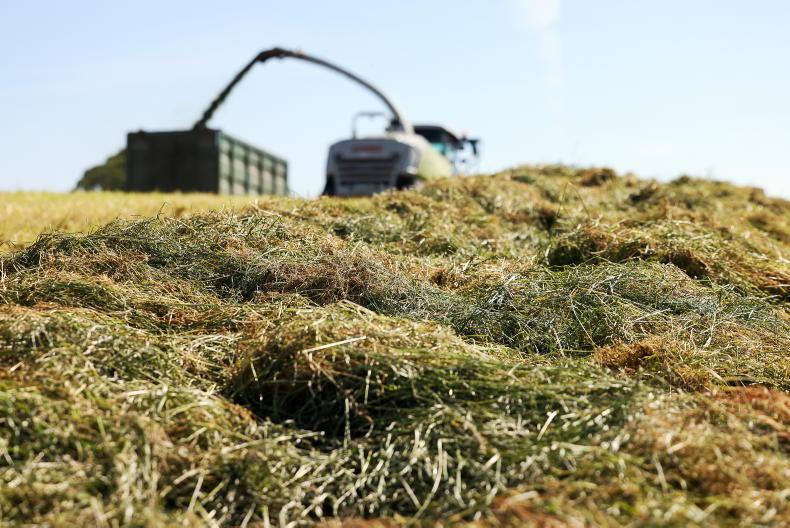
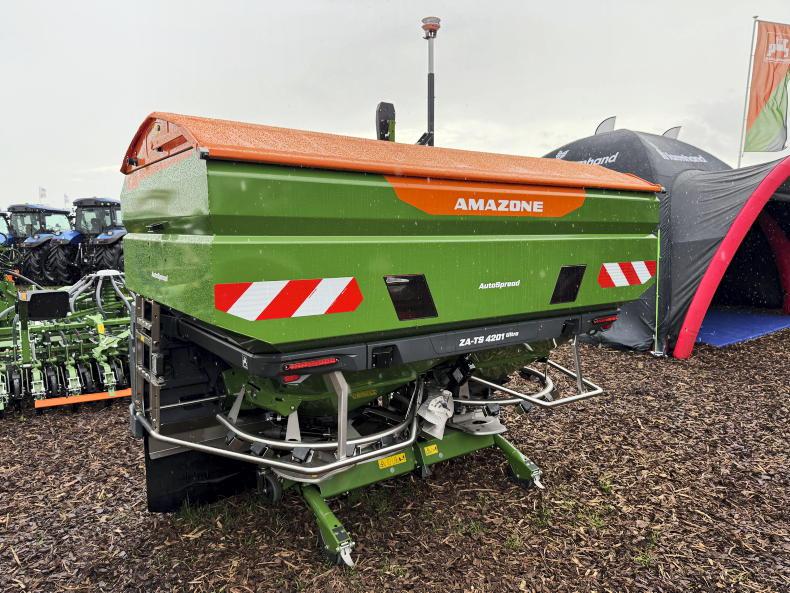
Draft rules to cut emissions of major air pollutants from the combustion engines of non-road mobile machinery (NRMM), ranging from lawn mowers to bulldozers, tractors and cultivators, were backed by Environment Committee MEPs on Tuesday. The report, backed by 64 votes to three, was led by Elisabetta Gardini of Italy.
The draft regulation aims to curb emissions of the following major air pollutants: nitrogen oxides (NOx), hydro-carbons (HC), carbon-monoxide (CO) and particulates (fine dust harmful to human health). For the latter, it introduces, in most engine categories, a limit on particle numbers complementing the limit on particle mass: in this way, emissions of so-called “ultrafine” particles will also be limited, thereby abiding by the most recent conclusive evidence on their adverse health effects, according to the EU.
Although the NRMM sector is much smaller than other sources of emissions, such as light and heavy duty road vehicles, it emits, according to the European Commission, 15% of all NOx and 5% of particulate matter in the EU.
As a result, MEPs urged EU member states to take measures to encourage owners to retrofit older machines with particulate filters.
However, the committee advocated temporary exemptions from the rules for mobile cranes, engines for inland waterway vessels, heavy machines and all machines with a longer lifetime manufactured by small and medium-sized enterprises.
Comenting on the vote, Gardini said: “It represents a crucial step in setting rules that, by improving air quality, enhance EU citizens’ lives. We have managed to show that environment protection, consumers’ health and the competitiveness of our industries are not irreconcilable objectives.”
Tuesday’s vote gives Gardini the green light to start informal negotiations with the Council of Ministers with a view to reaching a first-reading agreement, which would then be put to a vote in Parliament.
Reaction
The vote struck the “right balance between environmental protection and industry concerns”, Ulrich Adam, secretary general of CEMA (the agricultural equipment association) is reported to have said. Industry groups, however, expressed disappointment with the retrofitting measure, claiming it could harm competitiveness.
Related stories

€5bn climate change ‘battle’ ahead
Draft rules to cut emissions of major air pollutants from the combustion engines of non-road mobile machinery (NRMM), ranging from lawn mowers to bulldozers, tractors and cultivators, were backed by Environment Committee MEPs on Tuesday. The report, backed by 64 votes to three, was led by Elisabetta Gardini of Italy.
The draft regulation aims to curb emissions of the following major air pollutants: nitrogen oxides (NOx), hydro-carbons (HC), carbon-monoxide (CO) and particulates (fine dust harmful to human health). For the latter, it introduces, in most engine categories, a limit on particle numbers complementing the limit on particle mass: in this way, emissions of so-called “ultrafine” particles will also be limited, thereby abiding by the most recent conclusive evidence on their adverse health effects, according to the EU.
Although the NRMM sector is much smaller than other sources of emissions, such as light and heavy duty road vehicles, it emits, according to the European Commission, 15% of all NOx and 5% of particulate matter in the EU.
As a result, MEPs urged EU member states to take measures to encourage owners to retrofit older machines with particulate filters.
However, the committee advocated temporary exemptions from the rules for mobile cranes, engines for inland waterway vessels, heavy machines and all machines with a longer lifetime manufactured by small and medium-sized enterprises.
Comenting on the vote, Gardini said: “It represents a crucial step in setting rules that, by improving air quality, enhance EU citizens’ lives. We have managed to show that environment protection, consumers’ health and the competitiveness of our industries are not irreconcilable objectives.”
Tuesday’s vote gives Gardini the green light to start informal negotiations with the Council of Ministers with a view to reaching a first-reading agreement, which would then be put to a vote in Parliament.
Reaction
The vote struck the “right balance between environmental protection and industry concerns”, Ulrich Adam, secretary general of CEMA (the agricultural equipment association) is reported to have said. Industry groups, however, expressed disappointment with the retrofitting measure, claiming it could harm competitiveness.
Related stories

€5bn climate change ‘battle’ ahead
SHARING OPTIONS