Speaking at the event, European Commissioner for Agriculture Phil Hogan said it was a priority of the Commission to “mitigate the damage to the Irish and European economies and particularly the agri-food economy” as Brexit rolls out.
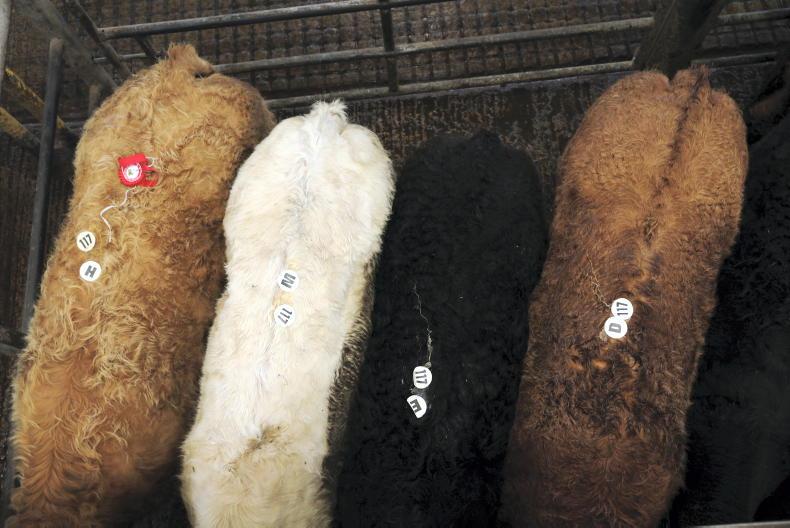
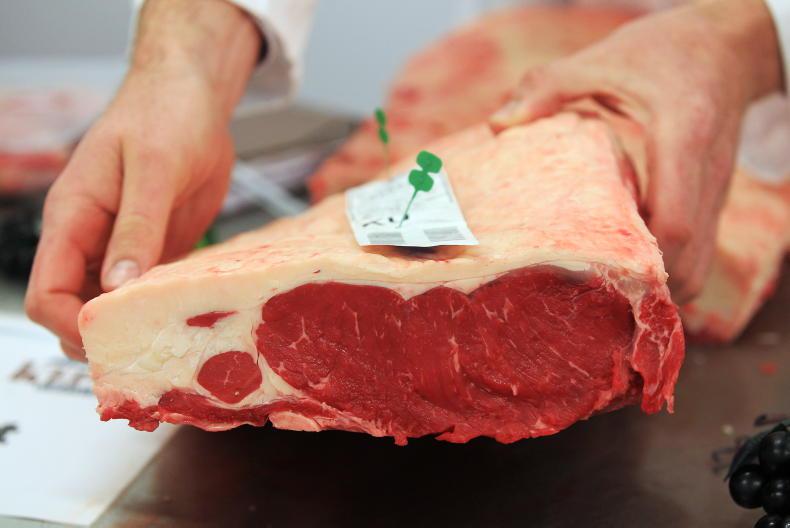
Dr Fiona Thorne of Teagasc said that while all Irish farm types would be negatively affected, the Irish beef sector appeared to be particularly vulnerable and could experience a fall in beef prices.
She also said that farmers may lose some of their CAP-funded direct income support payments if the next CAP reform has to be designed to fit within a smaller EU budget that might result from Brexit.
ADVERTISEMENT
Elsewhere on CAP, Trinity College professor of agricultural policy Alan Matthews said in the upcoming reform there could be calls for member state co-financing of pillar 1 of the CAP, due to the EU budget deliberations and the reduction in the size of the budget.
Free trade agreement
Professor Alan Swinbank of the University of Reading told the conference that to facilitate a future free trade agreement, the EU should consider, on a phased basis, the unilateral reduction of its continuing very high tariff levels.
Meanwhile, Teagasc economist Trevor Donnellan said that there needs to be a transition period between current EU-UK trading relationships and those after Brexit.
This content is available to digital subscribers and loyalty code users only. Sign in to your account, use the code or subscribe to get unlimited access.
The reader loyalty code gives you full access to the site from when you enter it until the following Wednesday at 9pm. Find your unique code on the back page of Irish Country Living every week.
CODE ACCEPTED
You have full access to the site until next Wednesday at 9pm.
CODE NOT VALID
Please try again or contact support.
Speaking at the event, European Commissioner for Agriculture Phil Hogan said it was a priority of the Commission to “mitigate the damage to the Irish and European economies and particularly the agri-food economy” as Brexit rolls out.
Dr Fiona Thorne of Teagasc said that while all Irish farm types would be negatively affected, the Irish beef sector appeared to be particularly vulnerable and could experience a fall in beef prices.
She also said that farmers may lose some of their CAP-funded direct income support payments if the next CAP reform has to be designed to fit within a smaller EU budget that might result from Brexit.
Elsewhere on CAP, Trinity College professor of agricultural policy Alan Matthews said in the upcoming reform there could be calls for member state co-financing of pillar 1 of the CAP, due to the EU budget deliberations and the reduction in the size of the budget.
Free trade agreement
Professor Alan Swinbank of the University of Reading told the conference that to facilitate a future free trade agreement, the EU should consider, on a phased basis, the unilateral reduction of its continuing very high tariff levels.
Meanwhile, Teagasc economist Trevor Donnellan said that there needs to be a transition period between current EU-UK trading relationships and those after Brexit.
If you would like to speak to a member of our team, please call us on 01-4199525.
Link sent to your email address
We have sent an email to your address. Please click on the link in this email to reset your password. If you can't find it in your inbox, please check your spam folder. If you can't find the email, please call us on 01-4199525.
ENTER YOUR LOYALTY CODE:
The reader loyalty code gives you full access to the site from when you enter it until the following Wednesday at 9pm. Find your unique code on the back page of Irish Country Living every week.
SHARING OPTIONS