Calves that were dosed back in May with a long-acting worm dose will be due another dose in the coming weeks as the cover period of four months is coming to an end. Most farmers will use either a short-acting ivermectin-type product or a white drench as opposed to a long-acting dose again to allow animals build up some resistance to worms and because of cost.
Contrary to some opinion, there should be no issue with resistance when using ivermectin products provided that the correct time interval between doses is adhered to and the right amount of product is used. Dose rates depend on weight. Time can be saved by using a pour-on dose. Instead use the time to weigh the calves while they are in the crush.
Separating the lightest
ADVERTISEMENT
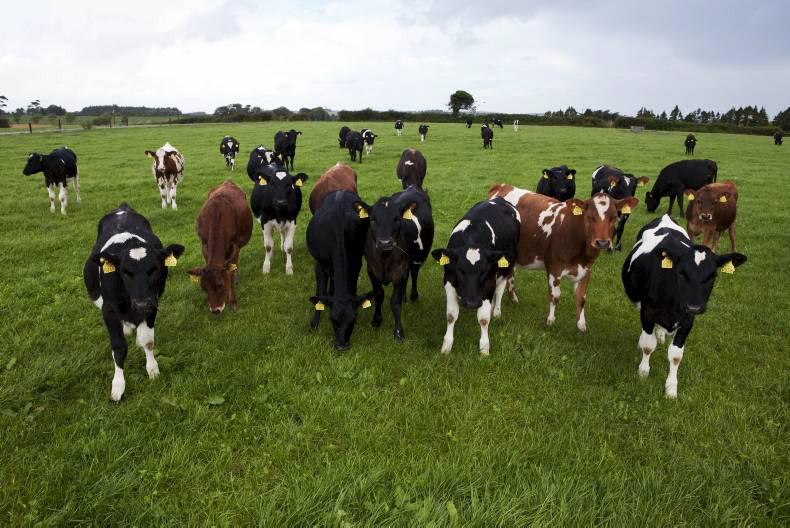
Get your hands on a weighing scales or a weighband and weigh the lot and separate out the lightest. At the Tullamore Show yesterday, we had a demonstration at the Irish Farmers Journal stand with heifer calves. One of the calves was well below target weight at 115kg. The lesson was to remove the lighter calves and give them preferential treatment – better-quality grass, not asking them to clean out paddocks fully and giving an extra one or two kilogrammes of meal.
Calves should be 30% of their mature body weight now, so Holstein Friesian calves should be around 180kg, while crossbred types should be around 150kg.
On-target heifers
Many farmers will be starting back feeding meal to the on-target heifers over the coming weeks as grass growth slows and the weather becomes more changeable. In a Moorepark study from a few years ago it was found that heifers that are too heavy at mating produced less milk solids and had poorer fertility in their first lactation than those on target weight at mating, so there’s no point in pushing them on too hard for the sake of it – just get them to target weight and keep them at it.
This content is available to digital subscribers and loyalty code users only. Sign in to your account, use the code or subscribe to get unlimited access.
The reader loyalty code gives you full access to the site from when you enter it until the following Wednesday at 9pm. Find your unique code on the back page of Irish Country Living every week.
CODE ACCEPTED
You have full access to the site until next Wednesday at 9pm.
CODE NOT VALID
Please try again or contact support.
Calves that were dosed back in May with a long-acting worm dose will be due another dose in the coming weeks as the cover period of four months is coming to an end. Most farmers will use either a short-acting ivermectin-type product or a white drench as opposed to a long-acting dose again to allow animals build up some resistance to worms and because of cost.
Contrary to some opinion, there should be no issue with resistance when using ivermectin products provided that the correct time interval between doses is adhered to and the right amount of product is used. Dose rates depend on weight. Time can be saved by using a pour-on dose. Instead use the time to weigh the calves while they are in the crush.
Separating the lightest
Get your hands on a weighing scales or a weighband and weigh the lot and separate out the lightest. At the Tullamore Show yesterday, we had a demonstration at the Irish Farmers Journal stand with heifer calves. One of the calves was well below target weight at 115kg. The lesson was to remove the lighter calves and give them preferential treatment – better-quality grass, not asking them to clean out paddocks fully and giving an extra one or two kilogrammes of meal.
Calves should be 30% of their mature body weight now, so Holstein Friesian calves should be around 180kg, while crossbred types should be around 150kg.
On-target heifers
Many farmers will be starting back feeding meal to the on-target heifers over the coming weeks as grass growth slows and the weather becomes more changeable. In a Moorepark study from a few years ago it was found that heifers that are too heavy at mating produced less milk solids and had poorer fertility in their first lactation than those on target weight at mating, so there’s no point in pushing them on too hard for the sake of it – just get them to target weight and keep them at it.
If you would like to speak to a member of our team, please call us on 01-4199525.
Link sent to your email address
We have sent an email to your address. Please click on the link in this email to reset your password. If you can't find it in your inbox, please check your spam folder. If you can't find the email, please call us on 01-4199525.
ENTER YOUR LOYALTY CODE:
The reader loyalty code gives you full access to the site from when you enter it until the following Wednesday at 9pm. Find your unique code on the back page of Irish Country Living every week.








SHARING OPTIONS