


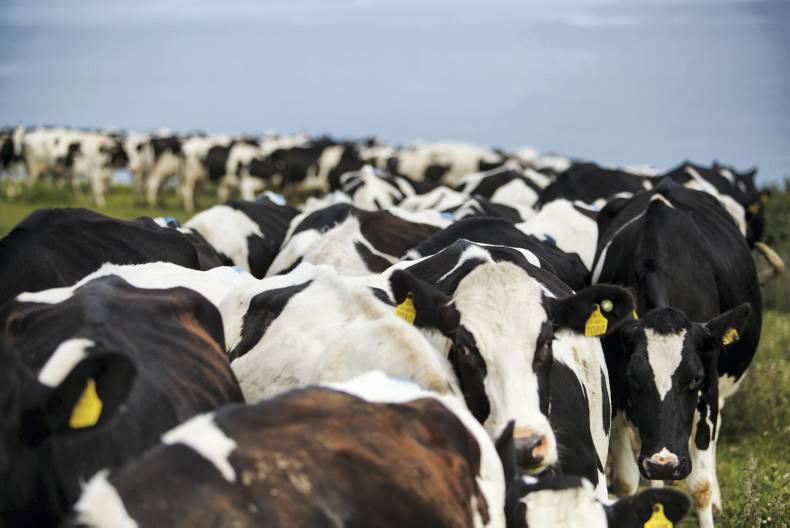
While the night frosts over the weekend didn’t help grass growth, we can expect to see a noticeable lift in growth rates from today on.
We know from experience that when the weather improves at this time of year grass growth rockets, almost to compensate for the poor growth rates up to now. This poses a challenge to maintain grass quality.
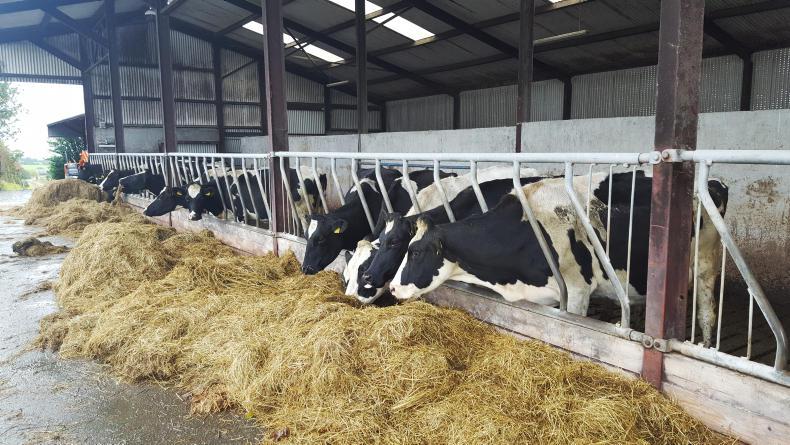
The first thing to do is to manage your grass demand. Reduce meal feeding and stop feeding silage. This will increase the herd’s intake of grass. Secondly, you need to be proactive in closing up paddocks for silage. This will reduce the area available for the herd, so stocking rate will increase and the herd demand will increase also.
Use the average farm cover per cow as a guide. Ideally, you want to be somewhere around 150kg to 180kg of grass per cow. Demand should be set to more or less match growth rate expected for the week, but not higher than the projected growth rate for the next couple of weeks. A demand of 70kg/day would support a stocking rate of 3.9 cows/ha with a grass intake of 18kg/day. I would be slow to have demand much higher than this.
When picking out what paddocks to close, it makes sense to pick and choose paddocks from throughout the wedge, not just the paddocks with the highest covers. By doing so, if growth rate unexpectedly drops, then the paddocks that were closed with lower covers can be reintroduced and grazed.
Another option is to earmark some paddocks for long-term silage and other paddocks for short-term silage that could be cut for bale silage in a few weeks’ time. The overall aim is to reduce your risk of exposure to a short-term grass deficit requiring some supplement.
On fertiliser, what to spread now depends on stocking rate. Most higher-stocked farms require grass growth rates of 60kg and above, so 30 units/acre of nitrogen per month should be spread for April and May. Now is the time to apply sulphur also, either in the form of ASN or with CAN.



SHARING OPTIONS