


With both Irish soccer teams resident in France at present and their supporters acting as wonderful ambassadors, it is timely to take a look at France as a market for our beef and lamb. It is a country with usually less than full self-sufficiency for beef and it produces less than half the lamb it produces. For Ireland, it is our main lamb export market and our second most important beef export destination after the UK while for France Ireland is the third top beef supplier after the Netherlands and Germany and second to the UK in supplying lamb.
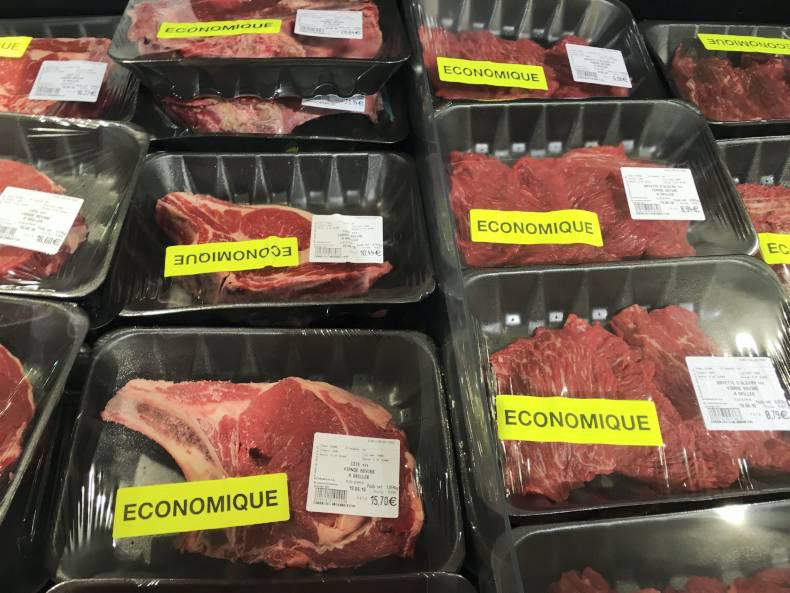
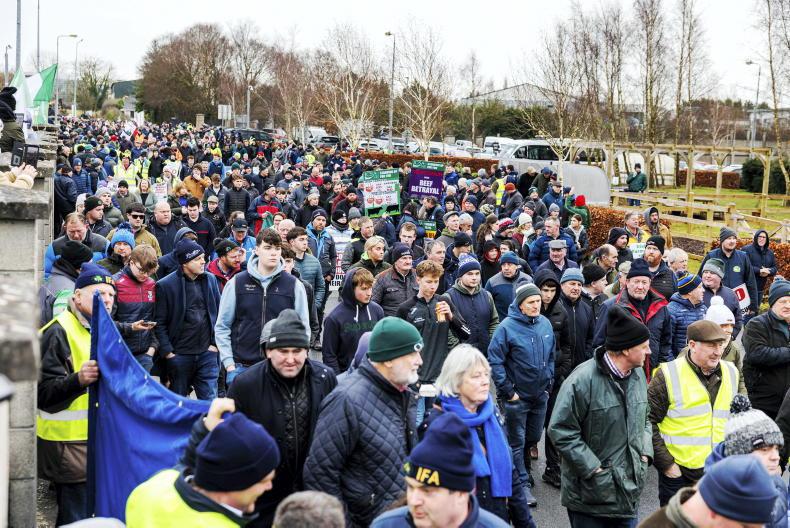
France made headlines last summer with farm protests on agricultural prices and one consequence was a nationwide campaign to encourage consumption of domestic produce rather than imported. This was particularly targeted at supermarkets who between them account for 54% of beef produced in France, while independent butchers account for a further 12%. The food service sector including fast food outlets, canteen catering and the restaurant sector accounts for a further 19% while 15% of French production is exported. This is primarily young bull beef as the domestic demand doesn’t accommodate the amount produces which in turn creates an opportunity for cow and some steer beef which comes in from primarily the Netherlands, Germany and Ireland.
Supermarkets in particular were targeted by farmer protests which meant many chose to leave shelves empty rather than stock imported produce at this time. In turn limited supplies meant that overall imports to France fell by 12% in 2015 though Ireland fared better than others with exports to France back just 4% last year. Overall consumer beef consumption fell by 1.5% in 2015 though the French still spend 18% of the domestic budget on food, much higher than the UK.
Irish exports
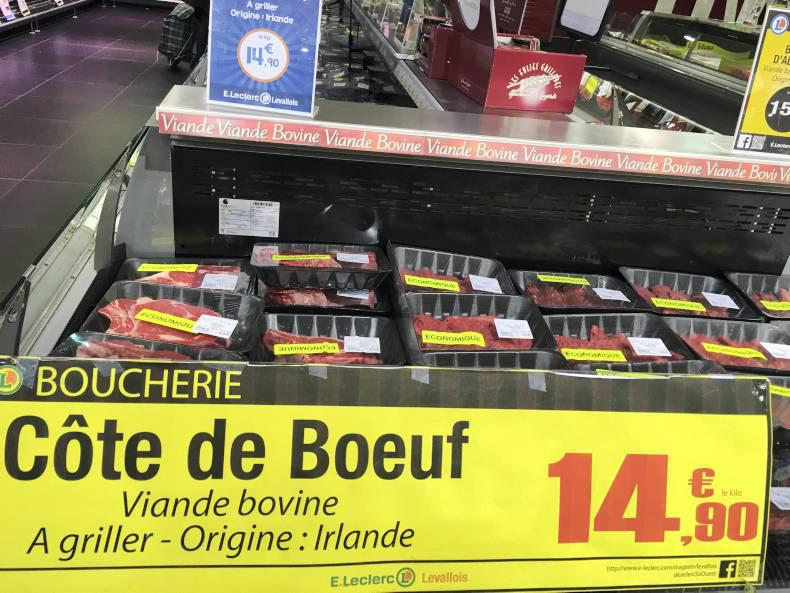
Irish beef and to a lesser extent lamb struggle to get a regular listing in retail outlets as since last summer supermarkets in particular have gone almost exclusively with domestic production. According to Bord Bia’s Paris office this is something that happens from time to time and when it does they focus on reinforcing the values of Irish production through the consumer press and targeted advertising.
It is a different picture in the food service and restaurant sector. Mc Donald’s in France has well established links with Ireland for burger and beef supply while the restaurant sector is a very substantial user of Irish ribs and flank steaks. One dedicated steak restaurant with a wide range of specific French breed offerings, Galloway beef from the UK and Black Angus American, confirmed that 70% of its beef sales were Irish beef in its mainstream menu with Irish Angus and Hereford Prime listed as a breed choice.
Bord Bia have had success in this sector with its Chef’s Irish beef club, using highly regarded chefs as ambassadors. They also work with specialist butchers and culinary associations and it is clear this is a sector where Irish supplies enjoy a strong reputation.
The middle range
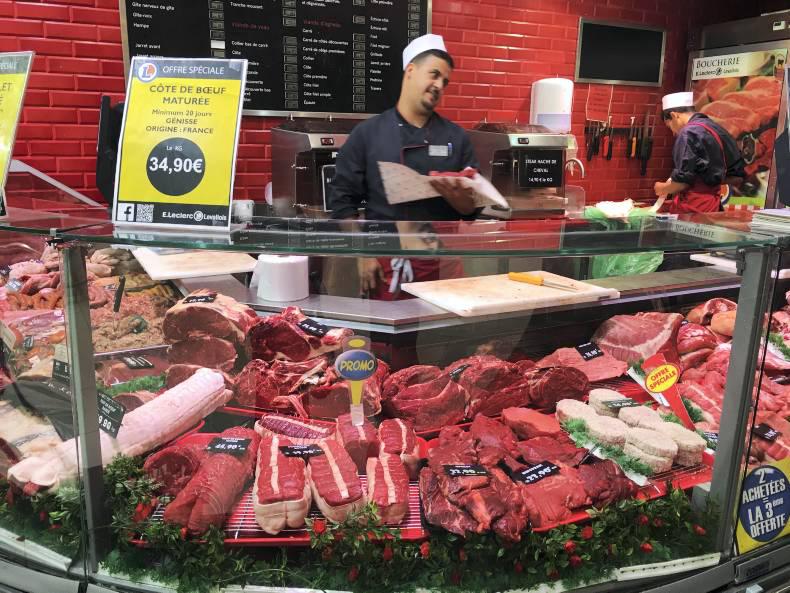
French retail is very different from Irish and UK at supermarket level. There is still considerable independence for stores to have their own local buying arrangements and 60% is bought in carcase or quarter format with all of the butchery and packing undertaken in store. According to Philippe Chotteau, Head Economist with the French Livestock Institute, it is the middle range of product in stores that is struggling. The high value premium range sold over the counter and the budget value ranges are growing sales but it is at the expense of squeezing the middle.
There is no doubt the French beef trade is struggling with R3 Steer prices currently lagging 45c/kg behind Irish prices. In terms of getting more volume into this market access to supermarkets again will be essential but unlikely to happen in a meaningful way anytime soon, probably not before there is a substantial lift in French farm gate beef prices. In the meantime we have to focus on selling the cuts that the French market wants and still buys from us in big numbers for their catering sector.
Listen to the full interview with Philippe Chotteau, Head Economist with the French Livestock Institute, below:



SHARING OPTIONS