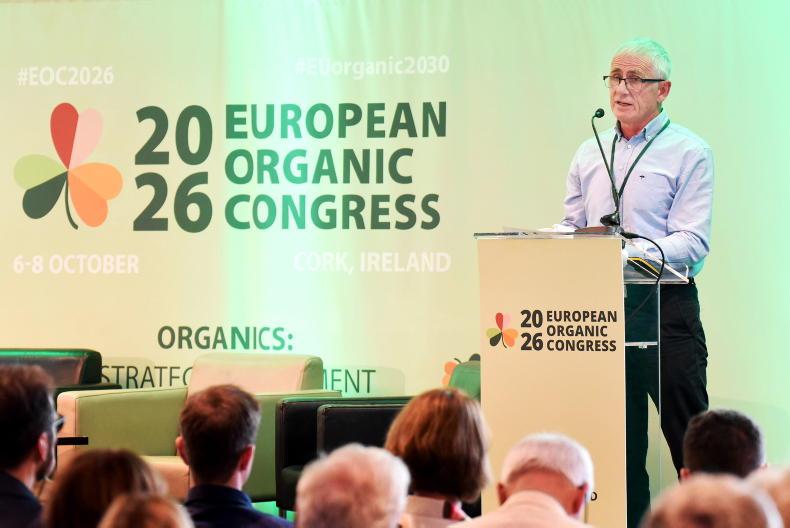
European Commissioner for Agriculture and Rural Development Phil Hogan is presenting a new support programme for farmers hit by falling prices to EU agriculture ministers in Brussels this Monday.
This content is available to digital subscribers and loyalty code users only. Sign in to your account, use the code or subscribe to get unlimited access.
However, if you would like to share the information in this article, you may use the headline, summary and link below:
Title: New EU aid package: what to expect
European Commissioner for Agriculture and Rural Development Phil Hogan is presenting a new support programme for farmers hit by falling prices to EU agriculture ministers in Brussels this Monday.
The reader loyalty code gives you full access to the site from when you enter it until the following Wednesday at 9pm. Find your unique code on the back page of Irish Country Living every week.
CODE ACCEPTED
You have full access to the site until next Wednesday at 9pm.
CODE NOT VALID
Please try again or contact support.
Here is what we know as officials converge on the European capital:
This package will be smaller than the €500m one agreed last September. While there is money available in the EU’s agriculture budget, there are competing demands for it. Agreement on funding will largely shape the package.
The package will focus on dairy. While the official agenda includes the dairy, pigmeat and fruit and vegetables sectors, Hogan has already said that the Commission considered the pigmeat market was in recovery and would not require further support. The fruit and vegetable sector may receive assistance this Monday, but the bulk of any additional funding will go to dairy farmers. In a last-minute twist, the French government last week asked for beef support measures to be introduced as well.
Part of the new aid is likely to be linked to production cuts. European milk oversupply has been identified as a key factor in the current price crisis. The previous aid package switched on so-called article 222 measures, which allow processors and farmers to agree on milk supply cuts outside usual competition rules. These, however, have not been taken up because there was no financial incentive to do so. France, Germany and Poland have since joined forces to ask for EU payments to reward those who cut production. Ireland has opposed the suggestion. It is likely that at least part of the new package will be reserved for those who reduce milk output – just how much will depend on the strength and arguments of each side in this Monday’s discussions.
Part of the new aid will be left to national governments to distribute. The previous package left some leeway for EU member states to decide where some of the money was going, and this is likely to be the case again. Ireland has been among the most vocal countries asking for such flexibility.
Measures beyond direct payments: in the past few months, the EU has adopted additional measures to tackle the price crisis including twice raising the intervention ceiling for milk powder and doubling the maximum amount member states’ governments are allowed to distribute to farmers from national funds. The intervention season usually ends in September, but this is likely to be questioned this Monday. For more news from Brussels as it happens, stay tuned to www.farmersjournal.ie and to our news app throughout the day.
If you would like to speak to a member of our team, please call us on 01-4199525.
Link sent to your email address
We have sent an email to your address. Please click on the link in this email to reset your password. If you can't find it in your inbox, please check your spam folder. If you can't find the email, please call us on 01-4199525.
ENTER YOUR LOYALTY CODE:
The reader loyalty code gives you full access to the site from when you enter it until the following Wednesday at 9pm. Find your unique code on the back page of Irish Country Living every week.
SHARING OPTIONS