The spring cereal recommended lists for 2016 contain no new varieties. The new lists, published by the Department of Agriculture earlier this month, contain fewer varieties but they are an important reference guide to growers for both variety choice and characteristics.
Two spring barley varieties have been dropped, Quench and Shada, as has Trappe spring wheat. There are also fewer malting barley varieties listed, with Azalea, Quench and Sebastian no longer included.
All aspects of a variety’s traits should be considered when choosing a variety. Standing power and disease resistance have direct husbandry and cost implications. Individual disease resistance can be very valuable in specific situations. Maturity differences can also be used to good benefit.
Ratings for the different important agronomic characteristics are shown in Table 1. KWS Irina continues to have the highest yield rating but the yield gap between varieties is smaller this year.
Interestingly, the yield of the control varieties on the spring barley list is 8.5t/ha (3.44t/ac) for 2016, up from 7.64t/ha (3.09t/ac) in 2015. This reflects the generally high yields achieved in trials and fields last season but it also reflects the fact that the low 2012 figures have been dropped from the three-year average.
Details of the varieties deemed best for malting are shown in Table 2. Some of these are on the recommended list while others are specifically recommended for malting.
Variety details
FRONTIER: Relative yield is down a point on last year. It has short straw but this is moderately weak and moderately susceptible to straw breakdown. It is early maturing. It is susceptible to mildew, moderately susceptible to rhyncho, moderately resistant to brown rust and has good resistance to net blotch. Grain size is average with highish screenings and average specific weight. From a Tavern x [Annabell x (Lux x Ferment)] cross from Sejet in Denmark. Agent: Goldcrop Ltd.
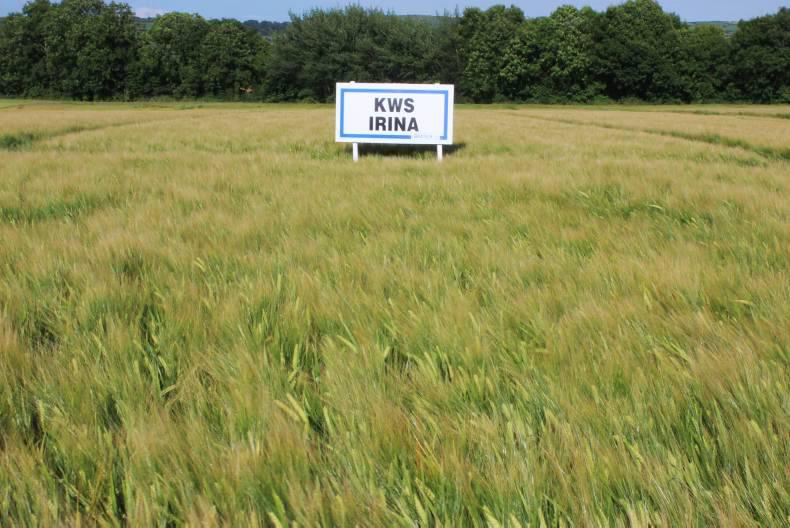
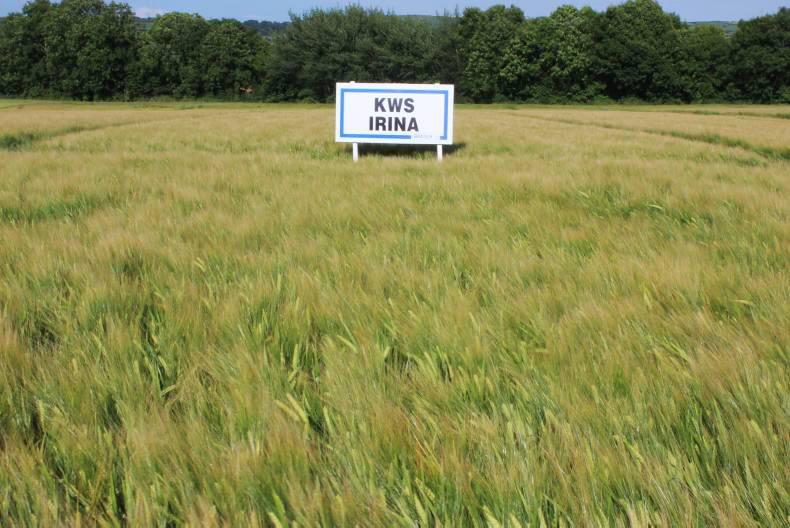
KWS IRINA (photo below): Highest yield potential but only marginally so. Straw is moderately short and has good resistance to lodging and straw breakdown. Average maturity. Has very good resistance to mildew and net blotch, with moderate resistance to rhyncho (down a point) and brown rust. Seed size is average to small with high screenings and low specific weight. A Conchita x Quench cross from KWS Lochow in Germany. Agent: SeedTech.

MICKLE: High yield potential. It has short straw combined with good resistance to lodging and moderate resistance to straw breakdown. Early maturing but it is moderately susceptible to mildew and brown rust with good resistance to net blotch and rhyncho. It has average grain size and screenings and good specific weight. A Propino x Snakebite cross from Syngenta Seeds in Britain. Agent: SeedTech.
PAUSTIAN: Remains provisionally recommended. Average yield potential. Moderately short straw with moderate resistance to lodging and straw breakdown. Later maturing. Has very good resistance to mildew coupled with good resistance to rhyncho and brown rust and moderate resistance to net blotch. Average grain size and specific weight with highish screenings. It is a Zeppelin x Propino cross from Sejet in Denmark. Agent: Goldcrop Ltd.
PROPINO: Average yield. It has quite tall straw and is described as moderately weak with moderate susceptibility to straw breakdown. Average maturity with moderate resistance to mildew and rhyncho and is moderately susceptible to brown rust and net blotch. It has very big grain, low screenings and good average specific weight. Progeny of a cross between Quench x NFC Tipple from Syngenta Seeds in Britain. Agent: SeedTech.
SANETTE: High yield potential with moderately short straw, good resistance to lodging but is moderately susceptible to straw breakdown. It is later maturing. It has very good resistance to mildew, good resistance to rhyncho and net blotch but is moderately susceptible to brown rust. Seed size is average with highish screenings and lowish specific weight. From a Sumit x Yard cross from Syngenta Seeds. Agent: SeedTech.
SOLDO: Remains provisionally recommended. Average yield potential with moderately short straw which is moderately resistant to lodging (up a point) but moderately susceptible to straw breakdown. Early maturing with very good resistance to mildew, good resistance to net blotch and brown rust and moderate resistance to rhyncho. It has very big grain, average screenings and good specific weight. A progeny of a [(NFC Tipple x Braemar) x NFC 401-17] cross from Nordsaat in Germany. Agent: Goldcrop Ltd.
SY TABERNA: Average yield. Straw is quite tall but it has good resistance to lodging. However, it is moderately susceptible to straw breakdown. It is later maturing. On diseases it has good resistance to mildew and rhyncho and moderate resistance to brown rust and net blotch. Grain size and screenings are average but it has good specific weight. A Quench x Taphouse cross from Syngenta Seeds. Agent: SeedTech.
There has been no new addition to the spring wheat recommended list but the long serving Trappe has been dropped. There are three varieties recommended – Sparrow, RGT Doubleshot and Quintus. All three varieties are now fully recommended and of good milling quality. As with the spring barley list, the average yield of the control varieties for 2017 (8.7t/ha) is exactly 1.0t/ha above the equivalent yield level last year.
Variety details and characteristic ratings are shown in Table 3.
Variety details
SPARROW: A high yield potential milling wheat from a (Chablis x Status) x Chablis cross at CPB Twyford. Straw is moderately short and very stiff. It is moderately late maturing. It is moderately susceptible to mildew (down a point), moderately resistant to septoria but has good resistance to yellow rust. Seems to be moderately resistant to sprouting as indicated by its hagberg falling number. Has big seed and good KPH along with good milling and baking potential. Agent: Goldcrop Ltd.
RGT DOUBLESHOT: Fully recommended this year. A high-yielding French variety from a Josselin x Pasteur cross at RAGT. It has moderately short and moderately weak straw. Average on maturity. It is moderately susceptible to mildew, moderately resistant to septoria and has good resistance to yellow rust. It has very small seed size but very good specific weight. Like the others, it has good milling and baking characteristics and seems to have good sprouting resistance. Agent: Goldcrop Ltd.
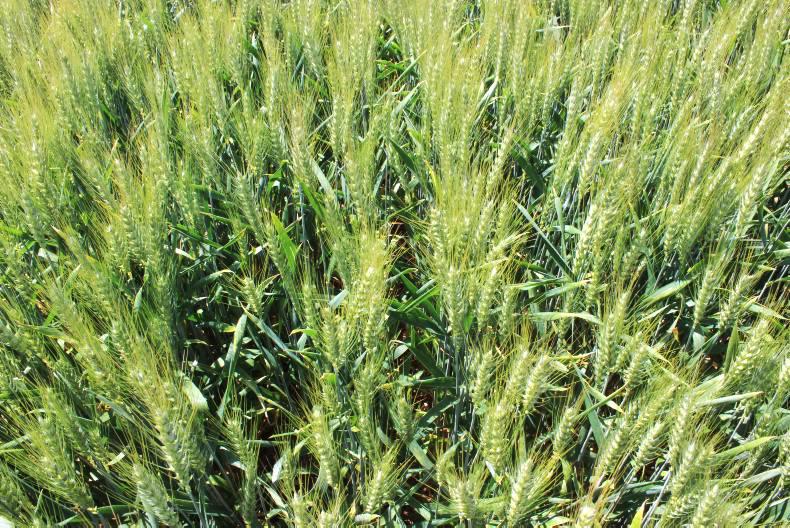
 QUINTUS (photo, right): Also fully recommended this year. It has very high yield potential and did well commercially in 2015. It is from unnamed parents and bred at Wiersum in the Netherlands. It is moderately tall but has moderately weak straw. This is an awned wheat. The earliest maturing variety on the list. It has very good resistance to mildew and yellow rust and is moderately resistant to septoria. It has quite big seed size, good specific weight and good milling and baking quality. Agent: Goldcrop Ltd.
The new spring oat list shows the yield gap widening again between Barra and Binary but so has the specific weight gap opened up on the flip side. The dominance of Barra on specific weight is restated and Binary is almost three points below it. However, it must be stated that these characteristics do not actually change in a variety and it is the impact of individual year values that tend to have the biggest impact on the average quality values.
The 2016 spring oat recommended is broadly similar to the 2015 list and the details and ratings of the individual varieties are shown in Table 4.
Variety details
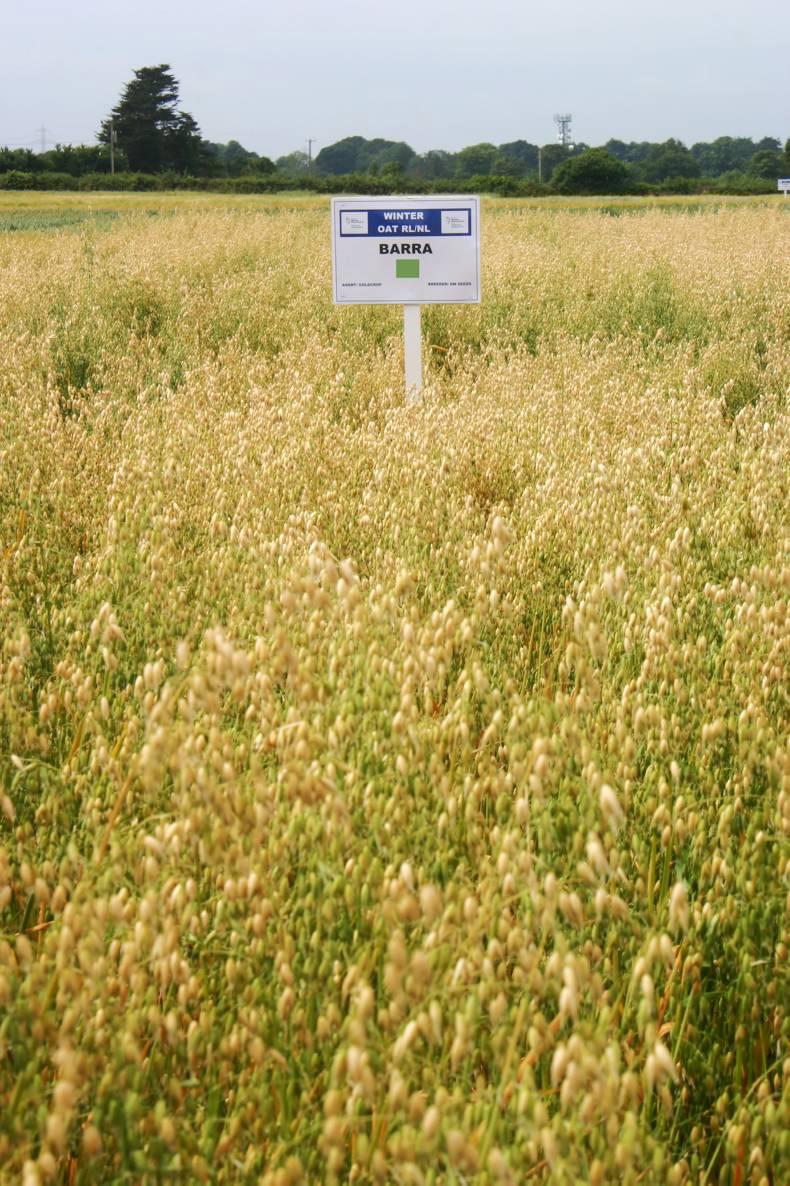
 BARRA (photo, right): Still going strong after over 30 years on the recommended list. A Swedish variety from unnamed parents bred by Svalöf Weibull AB. Straw is moderately short but susceptible to lodging and straw breakdown. It is very susceptible to mildew and susceptible to crown rust. Seed size is small but specific weight is very high. Agent: Goldcrop Ltd.
BINARY: Very high yield potential (up three points) and also bred from unnamed parents at Weirsum in the Netherlands. Straw is short but it is moderately susceptible to lodging while being moderately resistant to straw breakdown. It has good resistance to mildew but is moderately susceptible to crown rust. It has big seed and good kernel content but is only moderate on specific weight. Agent: Goldcrop Ltd.
HUSKY: High yield potential from a CPBT SO1 x Freddy cross at Nordsaat in Germany. Straw is short and it has good resistance to lodging, but is moderately susceptible to breakdown. It is earlier maturing than the other varieties. It is moderately resistant to mildew but is susceptible to crown rust. Seed size is relatively small but it has good specific weight. Agent: SeedTech.
The 2016 spring cereal recommended lists contain no new variety entries. Three varieties have been dropped – Quench and Shada spring barley and Trappe spring wheat. The spring wheat varieties RGT Doubleshot and Quintus are now fully recommended.
The spring cereal recommended lists for 2016 contain no new varieties. The new lists, published by the Department of Agriculture earlier this month, contain fewer varieties but they are an important reference guide to growers for both variety choice and characteristics.
Two spring barley varieties have been dropped, Quench and Shada, as has Trappe spring wheat. There are also fewer malting barley varieties listed, with Azalea, Quench and Sebastian no longer included.
All aspects of a variety’s traits should be considered when choosing a variety. Standing power and disease resistance have direct husbandry and cost implications. Individual disease resistance can be very valuable in specific situations. Maturity differences can also be used to good benefit.
Ratings for the different important agronomic characteristics are shown in Table 1. KWS Irina continues to have the highest yield rating but the yield gap between varieties is smaller this year.
Interestingly, the yield of the control varieties on the spring barley list is 8.5t/ha (3.44t/ac) for 2016, up from 7.64t/ha (3.09t/ac) in 2015. This reflects the generally high yields achieved in trials and fields last season but it also reflects the fact that the low 2012 figures have been dropped from the three-year average.
Details of the varieties deemed best for malting are shown in Table 2. Some of these are on the recommended list while others are specifically recommended for malting.
Variety details
FRONTIER: Relative yield is down a point on last year. It has short straw but this is moderately weak and moderately susceptible to straw breakdown. It is early maturing. It is susceptible to mildew, moderately susceptible to rhyncho, moderately resistant to brown rust and has good resistance to net blotch. Grain size is average with highish screenings and average specific weight. From a Tavern x [Annabell x (Lux x Ferment)] cross from Sejet in Denmark. Agent: Goldcrop Ltd.
KWS IRINA (photo below): Highest yield potential but only marginally so. Straw is moderately short and has good resistance to lodging and straw breakdown. Average maturity. Has very good resistance to mildew and net blotch, with moderate resistance to rhyncho (down a point) and brown rust. Seed size is average to small with high screenings and low specific weight. A Conchita x Quench cross from KWS Lochow in Germany. Agent: SeedTech.
MICKLE: High yield potential. It has short straw combined with good resistance to lodging and moderate resistance to straw breakdown. Early maturing but it is moderately susceptible to mildew and brown rust with good resistance to net blotch and rhyncho. It has average grain size and screenings and good specific weight. A Propino x Snakebite cross from Syngenta Seeds in Britain. Agent: SeedTech.
PAUSTIAN: Remains provisionally recommended. Average yield potential. Moderately short straw with moderate resistance to lodging and straw breakdown. Later maturing. Has very good resistance to mildew coupled with good resistance to rhyncho and brown rust and moderate resistance to net blotch. Average grain size and specific weight with highish screenings. It is a Zeppelin x Propino cross from Sejet in Denmark. Agent: Goldcrop Ltd.
PROPINO: Average yield. It has quite tall straw and is described as moderately weak with moderate susceptibility to straw breakdown. Average maturity with moderate resistance to mildew and rhyncho and is moderately susceptible to brown rust and net blotch. It has very big grain, low screenings and good average specific weight. Progeny of a cross between Quench x NFC Tipple from Syngenta Seeds in Britain. Agent: SeedTech.
SANETTE: High yield potential with moderately short straw, good resistance to lodging but is moderately susceptible to straw breakdown. It is later maturing. It has very good resistance to mildew, good resistance to rhyncho and net blotch but is moderately susceptible to brown rust. Seed size is average with highish screenings and lowish specific weight. From a Sumit x Yard cross from Syngenta Seeds. Agent: SeedTech.
SOLDO: Remains provisionally recommended. Average yield potential with moderately short straw which is moderately resistant to lodging (up a point) but moderately susceptible to straw breakdown. Early maturing with very good resistance to mildew, good resistance to net blotch and brown rust and moderate resistance to rhyncho. It has very big grain, average screenings and good specific weight. A progeny of a [(NFC Tipple x Braemar) x NFC 401-17] cross from Nordsaat in Germany. Agent: Goldcrop Ltd.
SY TABERNA: Average yield. Straw is quite tall but it has good resistance to lodging. However, it is moderately susceptible to straw breakdown. It is later maturing. On diseases it has good resistance to mildew and rhyncho and moderate resistance to brown rust and net blotch. Grain size and screenings are average but it has good specific weight. A Quench x Taphouse cross from Syngenta Seeds. Agent: SeedTech.
There has been no new addition to the spring wheat recommended list but the long serving Trappe has been dropped. There are three varieties recommended – Sparrow, RGT Doubleshot and Quintus. All three varieties are now fully recommended and of good milling quality. As with the spring barley list, the average yield of the control varieties for 2017 (8.7t/ha) is exactly 1.0t/ha above the equivalent yield level last year.
Variety details and characteristic ratings are shown in Table 3.
Variety details
SPARROW: A high yield potential milling wheat from a (Chablis x Status) x Chablis cross at CPB Twyford. Straw is moderately short and very stiff. It is moderately late maturing. It is moderately susceptible to mildew (down a point), moderately resistant to septoria but has good resistance to yellow rust. Seems to be moderately resistant to sprouting as indicated by its hagberg falling number. Has big seed and good KPH along with good milling and baking potential. Agent: Goldcrop Ltd.
RGT DOUBLESHOT: Fully recommended this year. A high-yielding French variety from a Josselin x Pasteur cross at RAGT. It has moderately short and moderately weak straw. Average on maturity. It is moderately susceptible to mildew, moderately resistant to septoria and has good resistance to yellow rust. It has very small seed size but very good specific weight. Like the others, it has good milling and baking characteristics and seems to have good sprouting resistance. Agent: Goldcrop Ltd.
QUINTUS (photo, right): Also fully recommended this year. It has very high yield potential and did well commercially in 2015. It is from unnamed parents and bred at Wiersum in the Netherlands. It is moderately tall but has moderately weak straw. This is an awned wheat. The earliest maturing variety on the list. It has very good resistance to mildew and yellow rust and is moderately resistant to septoria. It has quite big seed size, good specific weight and good milling and baking quality. Agent: Goldcrop Ltd.
The new spring oat list shows the yield gap widening again between Barra and Binary but so has the specific weight gap opened up on the flip side. The dominance of Barra on specific weight is restated and Binary is almost three points below it. However, it must be stated that these characteristics do not actually change in a variety and it is the impact of individual year values that tend to have the biggest impact on the average quality values.
The 2016 spring oat recommended is broadly similar to the 2015 list and the details and ratings of the individual varieties are shown in Table 4.
Variety details
BARRA (photo, right): Still going strong after over 30 years on the recommended list. A Swedish variety from unnamed parents bred by Svalöf Weibull AB. Straw is moderately short but susceptible to lodging and straw breakdown. It is very susceptible to mildew and susceptible to crown rust. Seed size is small but specific weight is very high. Agent: Goldcrop Ltd.
BINARY: Very high yield potential (up three points) and also bred from unnamed parents at Weirsum in the Netherlands. Straw is short but it is moderately susceptible to lodging while being moderately resistant to straw breakdown. It has good resistance to mildew but is moderately susceptible to crown rust. It has big seed and good kernel content but is only moderate on specific weight. Agent: Goldcrop Ltd.
HUSKY: High yield potential from a CPBT SO1 x Freddy cross at Nordsaat in Germany. Straw is short and it has good resistance to lodging, but is moderately susceptible to breakdown. It is earlier maturing than the other varieties. It is moderately resistant to mildew but is susceptible to crown rust. Seed size is relatively small but it has good specific weight. Agent: SeedTech.
The 2016 spring cereal recommended lists contain no new variety entries. Three varieties have been dropped – Quench and Shada spring barley and Trappe spring wheat. The spring wheat varieties RGT Doubleshot and Quintus are now fully recommended. 





SHARING OPTIONS