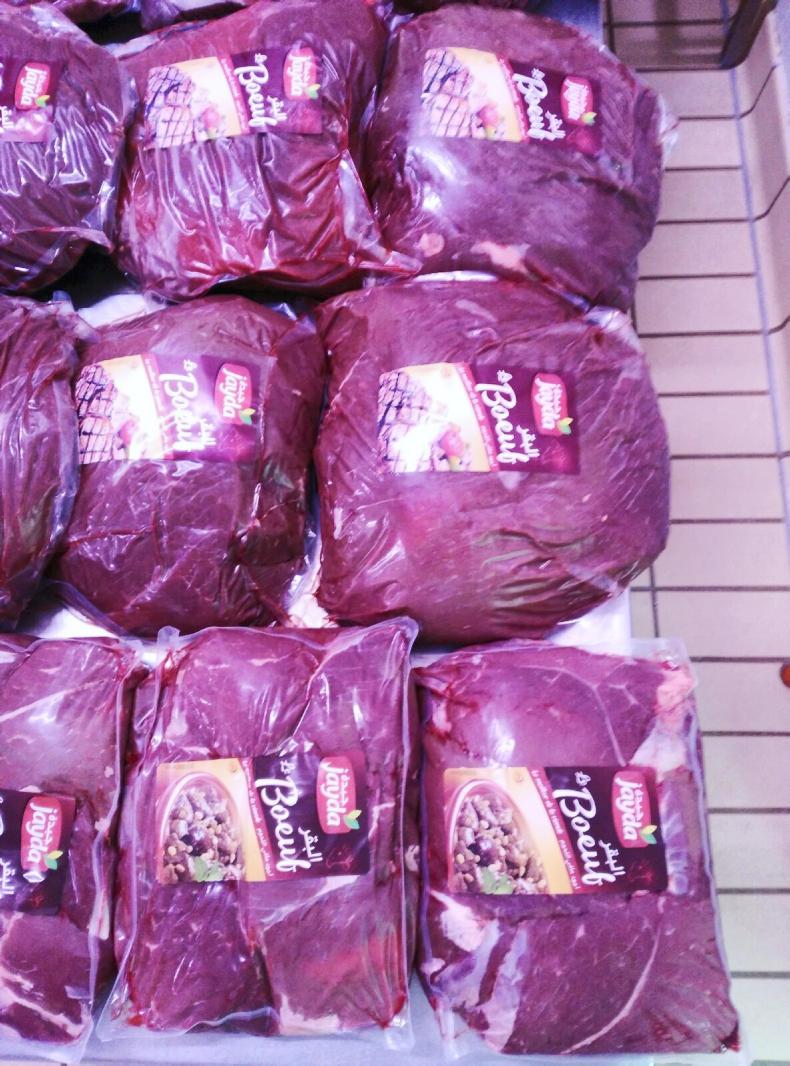
COPAG’s business model includes importing dairy heifers and selling them on to farmers. In previous years, it has imported Irish cattle. At present, the co-op is also expanding into both feed and meat production, with some branded products on the market.
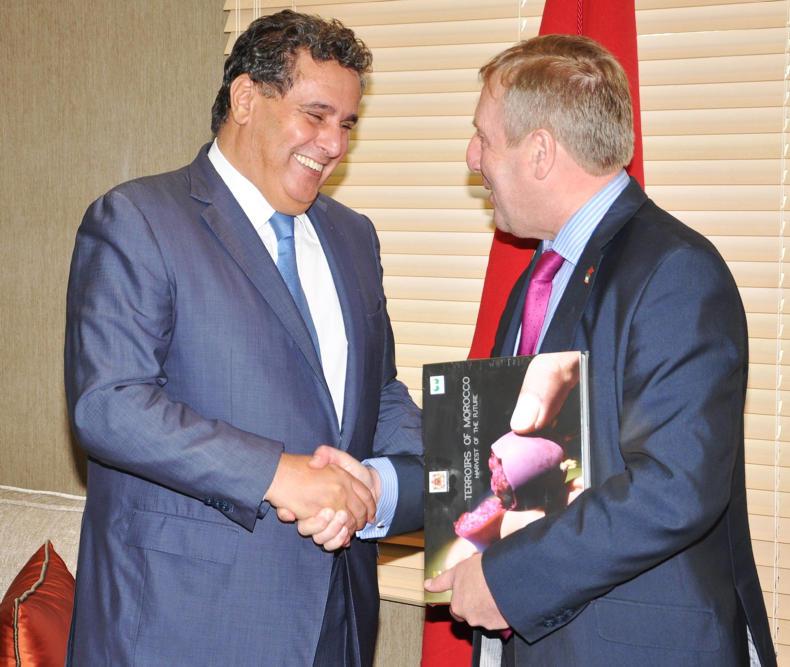
“Today was about strengthening business relations between Irish companies and COPAG and there’s significant scope for doing this in the dairy, meat and live export sectors,” said Minister for Agriculture Michael Creed after a tour of COPAG’s slaughterhouse. “They highlighted to me that their previous experience of importing live cattle from Ireland had been extremely positive, particularly in terms of productivity of the dairy cattle imported.”
COPAG is based in the Agadir region in the south of Morocco. It is a conglomerate of 72 smaller member co-ops, which combines 14,000 farmers and 5,800 direct employees. Not only does it collect milk, but it also supplies fuel, training and the use of shared agricultural machinery to its farmer members.
Nationally, it accounts for 7% of all Moroccan citrus production, 2% of early vegetables, such as tomatoes, 15% of the country’s milk and 6% of red meat.
Dairy focus
The Moroccan agricultural industry is developing in line with its ‘Green Morocco Plan’. There seems to be a focus on sustainability, which will be brought to the fore in the coming weeks when Morocco hosts COP22, the UN’s latest climate change conference, following from last year’s event in Paris.
Buyers for the major processing companies told the Irish Farmers Journal that they recognise both the quality and sustainability of Irish produce when they are importing.
Minister Creed also had a series of political meetings today in the Agadir region with Ms Zineb El Adaoui, who is the direct representative of King Mohammed VI and with the president of the region of Souss Massa Mr Brahim El Hafidi. Both meetings presented an opportunity to deepen political relations with Morocco and develop export opportunities for Irish dairy livestock into Morocco.
Read more
Watch: Visit the largest dairy farm in Morocco
COPAG’s business model includes importing dairy heifers and selling them on to farmers. In previous years, it has imported Irish cattle. At present, the co-op is also expanding into both feed and meat production, with some branded products on the market.
“Today was about strengthening business relations between Irish companies and COPAG and there’s significant scope for doing this in the dairy, meat and live export sectors,” said Minister for Agriculture Michael Creed after a tour of COPAG’s slaughterhouse. “They highlighted to me that their previous experience of importing live cattle from Ireland had been extremely positive, particularly in terms of productivity of the dairy cattle imported.”
COPAG is based in the Agadir region in the south of Morocco. It is a conglomerate of 72 smaller member co-ops, which combines 14,000 farmers and 5,800 direct employees. Not only does it collect milk, but it also supplies fuel, training and the use of shared agricultural machinery to its farmer members.
Nationally, it accounts for 7% of all Moroccan citrus production, 2% of early vegetables, such as tomatoes, 15% of the country’s milk and 6% of red meat.
Dairy focus
The Moroccan agricultural industry is developing in line with its ‘Green Morocco Plan’. There seems to be a focus on sustainability, which will be brought to the fore in the coming weeks when Morocco hosts COP22, the UN’s latest climate change conference, following from last year’s event in Paris.
Buyers for the major processing companies told the Irish Farmers Journal that they recognise both the quality and sustainability of Irish produce when they are importing.
Minister Creed also had a series of political meetings today in the Agadir region with Ms Zineb El Adaoui, who is the direct representative of King Mohammed VI and with the president of the region of Souss Massa Mr Brahim El Hafidi. Both meetings presented an opportunity to deepen political relations with Morocco and develop export opportunities for Irish dairy livestock into Morocco.
Read more
Watch: Visit the largest dairy farm in Morocco






SHARING OPTIONS