Ensure that suckler cows are getting plenty of pre-calver mineral (100g to 140g/day).
ADVERTISEMENT
Beef
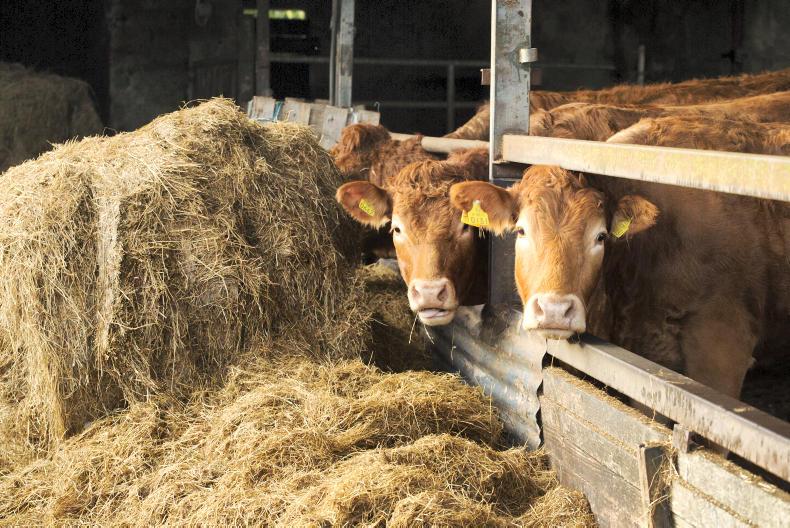
Beef stock going to grass in the next two to four weeks can begin to have any supplementary concentrates pulled back from now. Meal levels should have been modest where cattle are returning to grass and not going for slaughter until later in the year (<2.5kg), that is unless silage quality was excessively poor. Ideally, cattle will be on a silage-only diet 10 to 14 days prior to turnout. Reduce meal feeding gradually each day to achieve this. It’s fine to feed once a day for convenience at levels below 3.5kg/head.
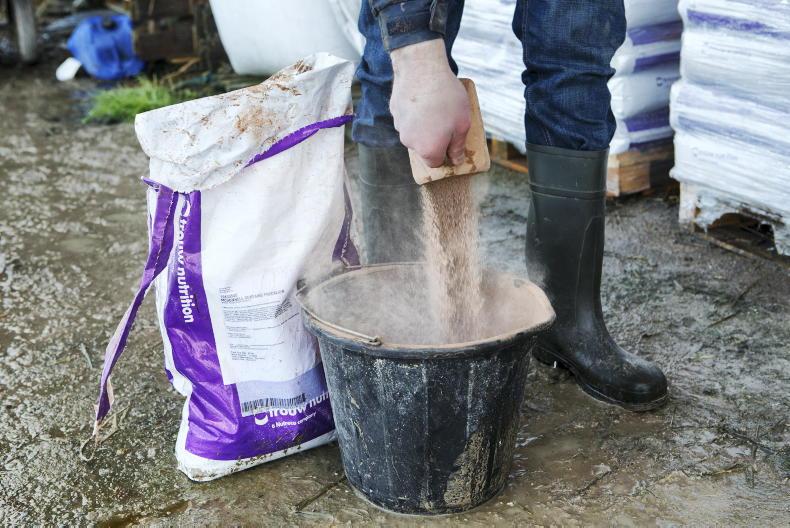
Ensure that suckler cows are getting plenty of pre-calver mineral (100g to 140g/day). This is vital for ensuring easy calving, vigorous calves and no subsequent cow health issues. Ask yourself are all cows getting the mineral? Or is it a restricted feed space situation? Consider hanging mineral blocks, looking at water-borne options or introducing buckets. If you’re restricting cows using straw, colostrum quality might take a hit. Investing in 400g to 500g of soya bean meal will help to alleviate this.
Dairy
There seems to be quite a high prevalence of milk fever around the country at present. This is likely due to high levels of potassium in silage – the target is a maximum of 1.8% and, in reality, Irish grass silage is closer to 2.5%. Potassium ties up magnesium – a critical ingredient in calcium metabolism – and slows calcium absorption. Those with high potassium in silage or experiencing high milk fever rates should immediately introduce 100g to 150g per head of magnesium sulphate or magnesium chloride salt per head on top of silage or consider introducing straw into the diet (provided enough energy is present).
Sheep
ADVERTISEMENT
Between weeks six and one pre-lambing, a ewe’s energy requirement jumps by almost 60%. All the while her capacity for intake drops as the growing lamb reduces her internal gut space. Even on good-quality 72% DMD silage, a twin-bearing ewe will be in an energy deficit from five weeks pre-lambing. Such a ewe with this type of silage should be getting 300g of meals with her silage from five weeks pre-lambing, increasing to 500g from four weeks out and 700g in the final fortnight. A 5% drop in silage DMD requires an extra 100g of meals.
Register for free to read this story and our free stories.
This content is available to digital subscribers and loyalty code users only. Sign in to your account, use the code or subscribe to get unlimited access.
The reader loyalty code gives you full access to the site from when you enter it until the following Wednesday at 9pm. Find your unique code on the back page of Irish Country Living every week.
CODE ACCEPTED
You have full access to the site until next Wednesday at 9pm.
CODE NOT VALID
Please try again or contact support.
Beef
Beef stock going to grass in the next two to four weeks can begin to have any supplementary concentrates pulled back from now. Meal levels should have been modest where cattle are returning to grass and not going for slaughter until later in the year (<2.5kg), that is unless silage quality was excessively poor. Ideally, cattle will be on a silage-only diet 10 to 14 days prior to turnout. Reduce meal feeding gradually each day to achieve this. It’s fine to feed once a day for convenience at levels below 3.5kg/head.
Ensure that suckler cows are getting plenty of pre-calver mineral (100g to 140g/day). This is vital for ensuring easy calving, vigorous calves and no subsequent cow health issues. Ask yourself are all cows getting the mineral? Or is it a restricted feed space situation? Consider hanging mineral blocks, looking at water-borne options or introducing buckets. If you’re restricting cows using straw, colostrum quality might take a hit. Investing in 400g to 500g of soya bean meal will help to alleviate this.
Dairy
There seems to be quite a high prevalence of milk fever around the country at present. This is likely due to high levels of potassium in silage – the target is a maximum of 1.8% and, in reality, Irish grass silage is closer to 2.5%. Potassium ties up magnesium – a critical ingredient in calcium metabolism – and slows calcium absorption. Those with high potassium in silage or experiencing high milk fever rates should immediately introduce 100g to 150g per head of magnesium sulphate or magnesium chloride salt per head on top of silage or consider introducing straw into the diet (provided enough energy is present).
Sheep
Between weeks six and one pre-lambing, a ewe’s energy requirement jumps by almost 60%. All the while her capacity for intake drops as the growing lamb reduces her internal gut space. Even on good-quality 72% DMD silage, a twin-bearing ewe will be in an energy deficit from five weeks pre-lambing. Such a ewe with this type of silage should be getting 300g of meals with her silage from five weeks pre-lambing, increasing to 500g from four weeks out and 700g in the final fortnight. A 5% drop in silage DMD requires an extra 100g of meals.
If you would like to speak to a member of our team, please call us on 01-4199525.
Link sent to your email address
We have sent an email to your address. Please click on the link in this email to reset your password. If you can't find it in your inbox, please check your spam folder. If you can't find the email, please call us on 01-4199525.
ENTER YOUR LOYALTY CODE:
The reader loyalty code gives you full access to the site from when you enter it until the following Wednesday at 9pm. Find your unique code on the back page of Irish Country Living every week.







SHARING OPTIONS