With Storm Frank set to hit Ireland, flooding is likely to hit Ireland again. Dermot Forristal gives advice on machine operation in floods and future planning to avoid farmyard damage in the future.
An almost submerged tractor near Feakle Co Clare. Donal Harte, had a lucky escape when his tractor went off the road and turned over in floodwaters. His Twin Brother Michael said Donal was shocked but otherwise uninjured. Photograph by Eamon Ward
ADVERTISEMENT
Machine Safety
When driving on flooded roads or roadways, the biggest risk is that you cannot see what you are driving on and consequently risk turning over the tractor in a ditch/dyke.
Drive slowly and carefully and only where you know what the underlying surface is like. Place weighted floats or other markers to indicate hazards or roadway positions around yards.
If carrying a bale on a front-loader through floods, carry the bale low and ensure you have plenty of weight on the back of the tractor to avoid stability loss in uncertain terrain.
Avoid driving when tired and particularly in the darkness where lights shining on the water can make it even more difficult to determine your position or location. Be particularly aware of bystanders in poor visibility.
Bring a mobile phone and if you get stranded, do not attempt to walk back in high water levels.
If carrying people to or from houses on a tractor, in as far as possible have them in the cab with the door securely closed.
Be particularly careful when people unfamiliar with machinery are in the vicinity. Remember most tractor accidents are pinning or crushing events around the farmyard.
Avoid rushing and do not take risks despite the near-crisis flood situation.
Be particularly careful with bystanders when moving bulk sandbags or bales.
Machine Wear and tear
Operating machinery in floods can risk damaging the machine or increasing wear and tear.
ADVERTISEMENT
Engine air intakes must not take in any water. Cars are most vulnerable, with 4x 4 jeeps somewhat better and tractors usually best in this regard. It depends on the height of the air intake and if the water is deflected towards the intake.
If the water level is below the level of front and rear axle seals, then there should be no adverse effects to the axles or transmission.
Continuous use of tractors in deep floods where the water is over the axle seals could cause problems as these seals may not necessarily keep the water out. Water could damage seals and bearings and even mix with transmission oil in some situations.
In very deep water conditions, it’s possible to damage electronic systems in modern tractors. While the main computer processors should be protected from water, these systems are extremely complex with sensors and wiring located in many parts of the tractor – all prone to water damage in extreme flood conditions.
Preventing future damage – use your camera
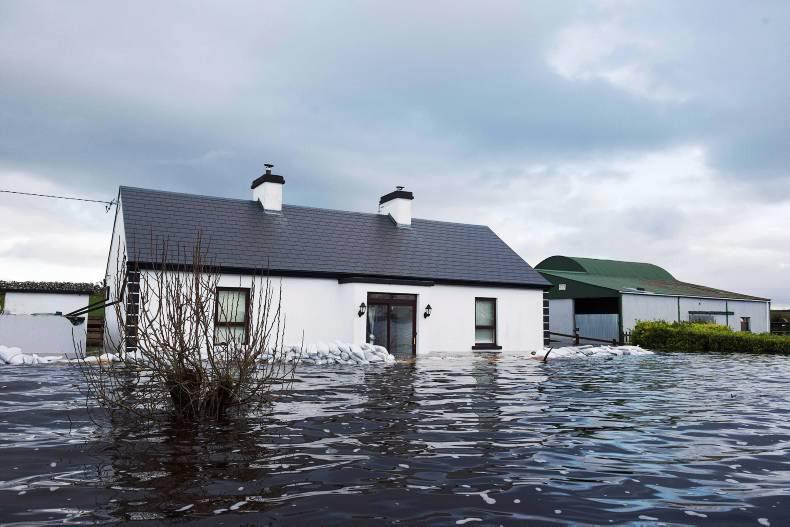
In some farmyards, there may be potential to avoid the worst of the flooding at a future date; this can be facilitated by recording flood levels now. The best option is to mark the heights to where the flood reaches or to record by taking photos (camera phone) and storing these photos carefully. These records may prove useful in future planning. Where the flooding is caused by running water, there may be an opportunity to redirect that water-flow to protect the farmyard, animal housing and feed storage areas. Where the flooding is as a result of general high water levels, in some cases it may be possible to relocate bale storage areas or the siting of new buildings. It may even be possible to have a protective bank of soil put in place to offer limited protection to some flooding.
This content is available to digital subscribers and loyalty code users only. Sign in to your account, use the code or subscribe to get unlimited access.
The reader loyalty code gives you full access to the site from when you enter it until the following Wednesday at 9pm. Find your unique code on the back page of Irish Country Living every week.
CODE ACCEPTED
You have full access to the site until next Wednesday at 9pm.
CODE NOT VALID
Please try again or contact support.
Machine Safety
When driving on flooded roads or roadways, the biggest risk is that you cannot see what you are driving on and consequently risk turning over the tractor in a ditch/dyke.
Drive slowly and carefully and only where you know what the underlying surface is like. Place weighted floats or other markers to indicate hazards or roadway positions around yards.
If carrying a bale on a front-loader through floods, carry the bale low and ensure you have plenty of weight on the back of the tractor to avoid stability loss in uncertain terrain.
Avoid driving when tired and particularly in the darkness where lights shining on the water can make it even more difficult to determine your position or location. Be particularly aware of bystanders in poor visibility.
Bring a mobile phone and if you get stranded, do not attempt to walk back in high water levels.
If carrying people to or from houses on a tractor, in as far as possible have them in the cab with the door securely closed.
Be particularly careful when people unfamiliar with machinery are in the vicinity. Remember most tractor accidents are pinning or crushing events around the farmyard.
Avoid rushing and do not take risks despite the near-crisis flood situation.
Be particularly careful with bystanders when moving bulk sandbags or bales.
Machine Wear and tear
Operating machinery in floods can risk damaging the machine or increasing wear and tear.
Engine air intakes must not take in any water. Cars are most vulnerable, with 4x 4 jeeps somewhat better and tractors usually best in this regard. It depends on the height of the air intake and if the water is deflected towards the intake.
If the water level is below the level of front and rear axle seals, then there should be no adverse effects to the axles or transmission.
Continuous use of tractors in deep floods where the water is over the axle seals could cause problems as these seals may not necessarily keep the water out. Water could damage seals and bearings and even mix with transmission oil in some situations.
In very deep water conditions, it’s possible to damage electronic systems in modern tractors. While the main computer processors should be protected from water, these systems are extremely complex with sensors and wiring located in many parts of the tractor – all prone to water damage in extreme flood conditions.
Preventing future damage – use your camera
In some farmyards, there may be potential to avoid the worst of the flooding at a future date; this can be facilitated by recording flood levels now. The best option is to mark the heights to where the flood reaches or to record by taking photos (camera phone) and storing these photos carefully. These records may prove useful in future planning. Where the flooding is caused by running water, there may be an opportunity to redirect that water-flow to protect the farmyard, animal housing and feed storage areas. Where the flooding is as a result of general high water levels, in some cases it may be possible to relocate bale storage areas or the siting of new buildings. It may even be possible to have a protective bank of soil put in place to offer limited protection to some flooding.
If you would like to speak to a member of our team, please call us on 01-4199525.
Link sent to your email address
We have sent an email to your address. Please click on the link in this email to reset your password. If you can't find it in your inbox, please check your spam folder. If you can't find the email, please call us on 01-4199525.
ENTER YOUR LOYALTY CODE:
The reader loyalty code gives you full access to the site from when you enter it until the following Wednesday at 9pm. Find your unique code on the back page of Irish Country Living every week.







SHARING OPTIONS