The IFA has called on Minister for Agriculture, Michael Creed, to hold a meeting with all stakeholders in the tillage sector in order to secure a commitment from them to use native grains and support the industry. Urgent political intervention is needed to avoid the severe income drop, of up to €100m, that tillage farmers face, according to IFA grain chair Liam Dunne.
“The EU Commission and the Government cannot continue to ignore the gravity of the deepening income crisis on many tillage farms after four consecutive years of low grain prices below the cost of production, increasing costs and reducing Direct/Greening Payments,” he said.
Dunne outlined the following measures as crucial to the survival of the tillage sector:
Abolition of tariffs and anti-dumping duties on fertiliser imports as fertilisers now account for 40% of variable production costsReview by the EU Competition Authority of the cost of plant protection products which are priced significantly lower to growers in other regions across the worldPriority access to low-cost working capital similar to their EU counterpartsIncreased Glas paymentsExtension of protein crop area to allow coupled paymentTAMS investment programmeReduction in the burden of compliance for Greening“The Irish cereal sector is in danger of falling into terminal decline unless immediate and decisive action is taken to reverse the dramatic fall in incomes. Since 2012, the Irish cereal area has fallen by over 100,000ac and this trend will accelerate unless there is a dramatic turnaround in fortunes for grain growers”.
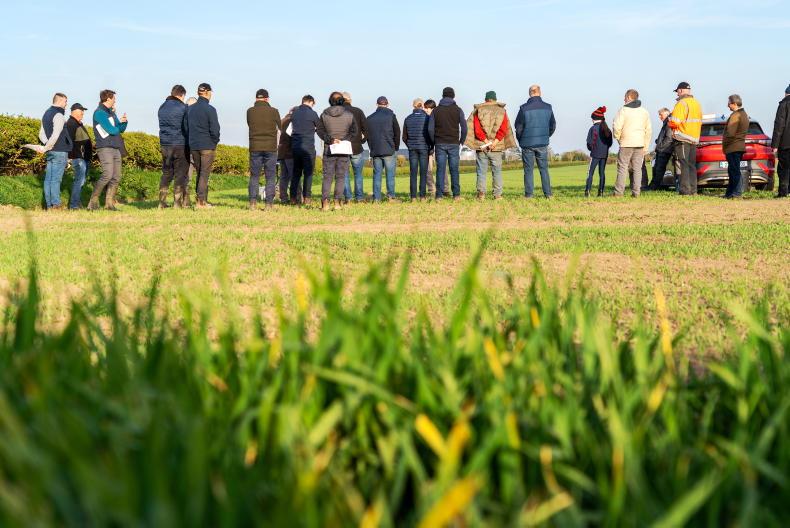
The call for action follows a protest held in Foynes Port, Co Limerick, last week where farmers were angry over the quality of grain being imported into Ireland.
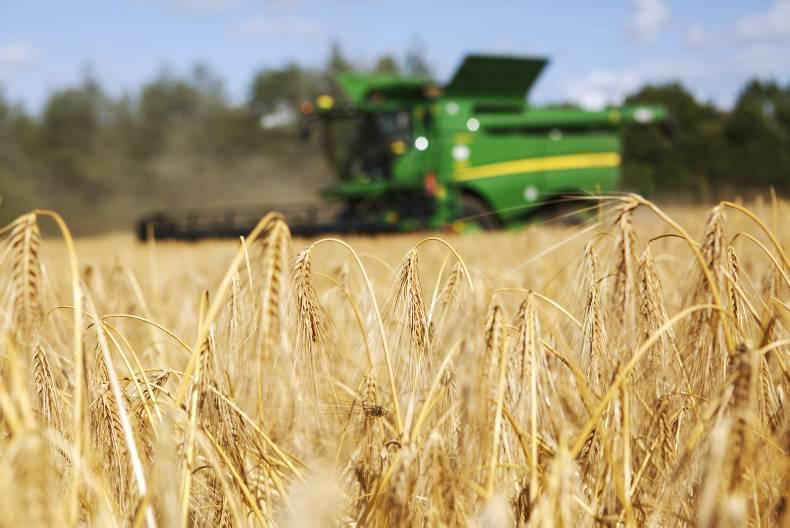
While the overall Irish harvest is expected to be back by 600,000t on last year, there are ample supplies of new season barley available, currently estimated at in excess of 400,000t. This is expected to rise to 1.3mt by harvest close, in addition to adequate supplies of old crop barley.
“Livestock farmers are fully behind their fellow farmers who produce grain and will be insisting on the maximum levels of native grain in rations this winter,” Dunne added.
Read more
Poor grain imports raise ration questions
The IFA has called on Minister for Agriculture, Michael Creed, to hold a meeting with all stakeholders in the tillage sector in order to secure a commitment from them to use native grains and support the industry. Urgent political intervention is needed to avoid the severe income drop, of up to €100m, that tillage farmers face, according to IFA grain chair Liam Dunne.
“The EU Commission and the Government cannot continue to ignore the gravity of the deepening income crisis on many tillage farms after four consecutive years of low grain prices below the cost of production, increasing costs and reducing Direct/Greening Payments,” he said.
Dunne outlined the following measures as crucial to the survival of the tillage sector:
Abolition of tariffs and anti-dumping duties on fertiliser imports as fertilisers now account for 40% of variable production costsReview by the EU Competition Authority of the cost of plant protection products which are priced significantly lower to growers in other regions across the worldPriority access to low-cost working capital similar to their EU counterpartsIncreased Glas paymentsExtension of protein crop area to allow coupled paymentTAMS investment programmeReduction in the burden of compliance for Greening“The Irish cereal sector is in danger of falling into terminal decline unless immediate and decisive action is taken to reverse the dramatic fall in incomes. Since 2012, the Irish cereal area has fallen by over 100,000ac and this trend will accelerate unless there is a dramatic turnaround in fortunes for grain growers”.
The call for action follows a protest held in Foynes Port, Co Limerick, last week where farmers were angry over the quality of grain being imported into Ireland.
While the overall Irish harvest is expected to be back by 600,000t on last year, there are ample supplies of new season barley available, currently estimated at in excess of 400,000t. This is expected to rise to 1.3mt by harvest close, in addition to adequate supplies of old crop barley.
“Livestock farmers are fully behind their fellow farmers who produce grain and will be insisting on the maximum levels of native grain in rations this winter,” Dunne added.
Read more
Poor grain imports raise ration questions







SHARING OPTIONS