


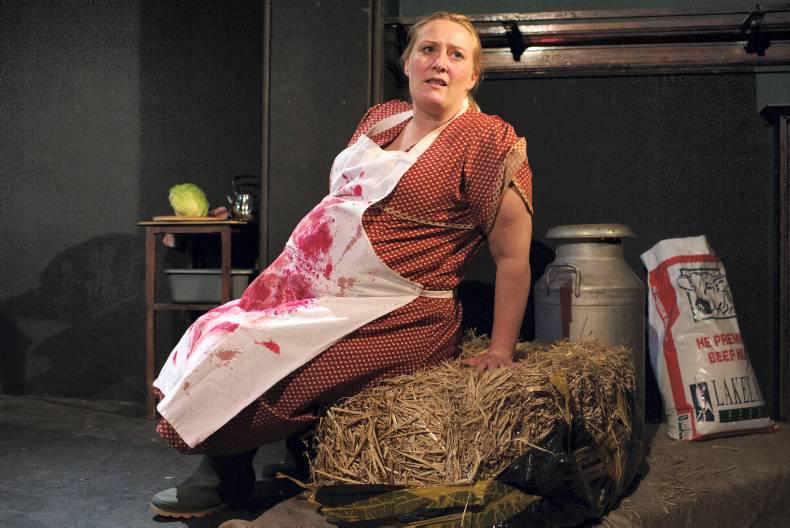
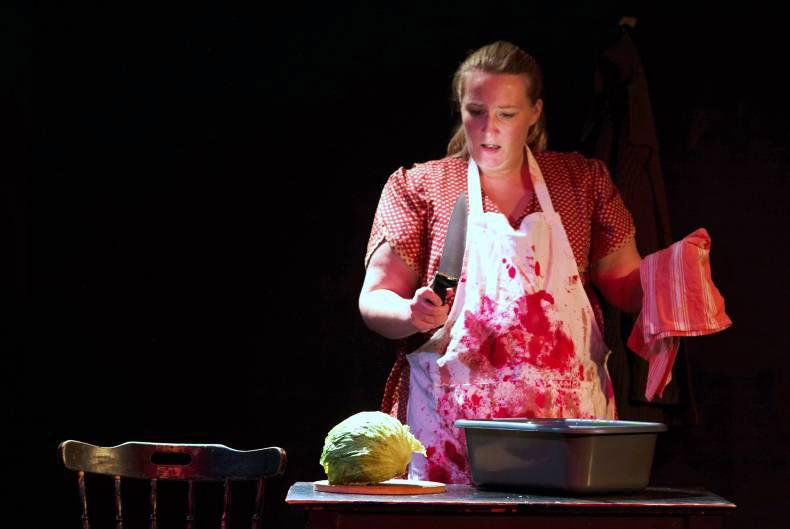
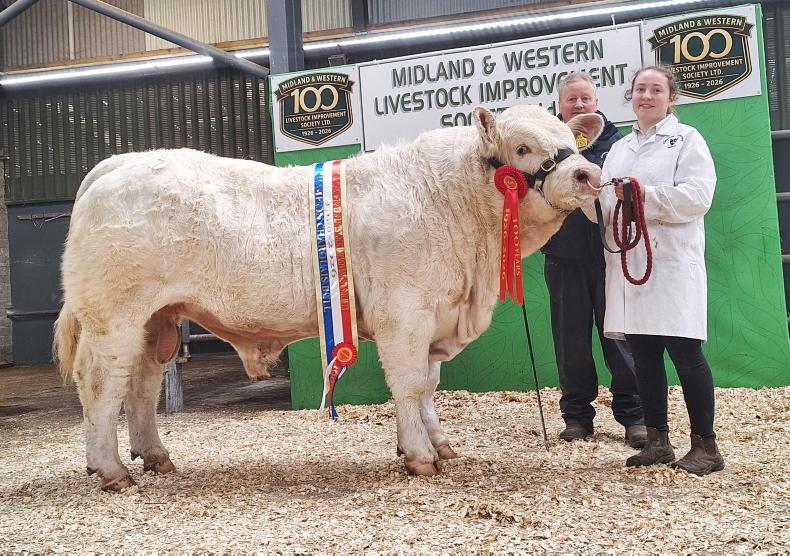
Charolais is a play about a woman, Siobhán, who is in competition with a cow. This Charolais is the very bane of her existence, “all silky and golden and superior. She turns her arse like she’s on a red carpet ... and the line of her back ... she’s just perfect. She really is a beautiful cow”.
Siobhán’s other anguish in life is embodied in her boyfriend Jimmy’s mother, Breda. The play opens with Siobhán griping about cross-eyed Breda, who has made jibes about Siobhán being let on to a course even though she doesn’t have the Leaving Cert and the fact that Siobhán is helping precious Jimmy with his area aid map and herd register.
This one-woman play sees Noni Stapleton play both Siobhán and the cow; the audience never meets Breda or Jimmy. The transition between the human character and the animal is signified simply by Siobhán pulling out her pony tail and adopting a French accent and sensual demeanour.
As the cow, she engages in a lot of excited singing en francais about the bull who is going to put her in calf. She wants a bull of the “hiiiiiighest pedigree with good confirmation (pronounced con-fir-mash-ion)”.
“I’m no snob, but my calf must be sired by the best, no ordinary calf will do.”
However, the Charolais is denied the pleasure of a visit from a bull because the AI man comes calling instead. She was hoping for a Pierre, Francois, Serge or Remi rather than a syringe and she laments that her young calf will ask: “Maman who is Papa?”
The story’s conflict comes when Siobhán finds out she’s pregnant. This doesn’t go down well with either Jimmy (“he effed and blinded and he put his foot through a bag or feed when he found out about the baby”) or his mother.
Siobhán could live with all this, but what she can’t live with is Jimmy being more concerned about the Charolaois’ pregnancy than hers.
“If she [the Charolais] sneezes sideways he has a heart attack.”
Siobhán has strong degrees of homicidal intent for the cow (as well as for her mother-in-law to be), but laments the logisitical challenges of it, despite the fact that “cows are falling dead by the day when you don’t want them to”.
Funny as the play is, it still eloquently captures the sadness that can be found in farming.
This is apparent when Siobhán relays Jimmy’s emotions when talking about the herd getting TB in the 1980s.
Jimmy remembers the bumps under the cattle’s skin and his dad’s face. His father didn’t last long after and his mother got slowly crankier, while the farm lay silent with no gates rattling or cows calling.
Charolais is very entertaining, but a great story above anything else and the play ends tragically rather than happily ever after.
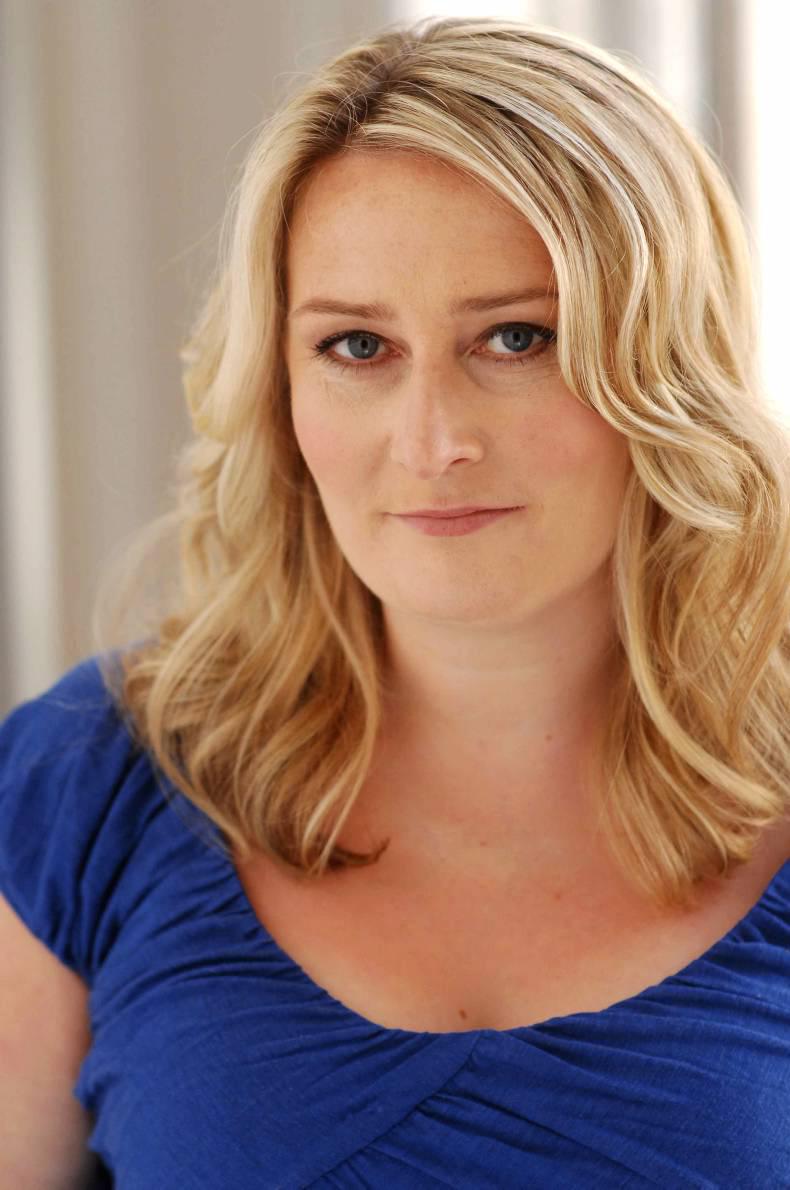
Despite the incredible insight into farm life shown in this play the writer Noni Stapleton is not from a farm – her dad was in the army, so when growing up her family moved around a lot, usually to garrison towns. She received her insights from a farmer in the Dublin mountains who a friend put her in contact with.
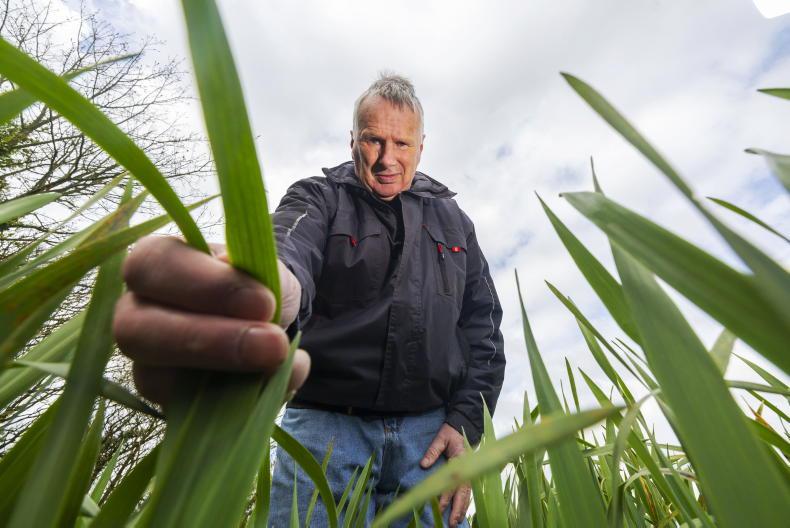
“I was expecting to get a cup of tea and a few biscuits and would be done an hour and a half later,” says Noni about her first visit, but nine and a half hours later her research still wasn’t complete and she called back on several occasions to clarify certain aspects. She went from field to field with this farmer.
“It was the best experience. I hit on the perfect farmer. I immediately saw the connection between this farmer and animals. He was incredibly open, so generous, so willing to answer questions.
“I realised there could be huge heart in this story. There’s a whole sector of society who live so close to me, who literally operate on a life-and-death basis every day.”
She experienced this life and death element first-hand as her visit saw her calving a cow.
“He handed me a glove and said: ‘Do you want to?’ And I calved a cow and it was amazing. I was high after it. It was insane, it was exhilarating. I still get goosebumps thinking about it. I felt like the world’s most fantastic midwife.”
This farmer also amended some lines due to the fact that “a farmer wouldn’t say it like that”. The milk churn used on stage is also his.
Noni has been acting from a young age. Her interest in drama began in school musicals where she was always cast as a man.
“I had to wear make-up that was that awful orange colour, before orange was cool.”
After one performance a teacher told her to “never stop doing this, you can do this”.
“So I sort of knew I could act,” reflects Noni.
After college (where she didn’t do much acting) she worked as a stage assistant manager “and realised that people do this for a living. There’s a whole scene”.
Noni applied to drama school after college, but was unsuccessful on her first attempt, so she decided to work as an actor.
“I turned down stage management work. I think when you make the right decision doors open for you.”
She got into drama school the second time round.
Noni can currently be seen on Sky Atlantic in the period drama Penny Dreadful, which is created and written by three-time Oscar nominee John Logan (Skyfall, The Aviator and Gladiator) and filmed in Bray.
Her on-screen husband is none other than Timothy Dalton of James Bond fame, while a 2005 Bond girl – Eva Greene – is also in the cast as well as Josh Harnett.
“It’s like Hollywood has come to Bray. When I got the part I was thoroughly delighted. A few days later the agent said to me: ‘Do you know who your husband it?’ I was dressed up as Santa’s helper to do a corporate gig when I found out. My brothers text me and said: ‘You’re a Bond girl now’.”
Whether she’s a Bond girl or a farm girl, Noni Stapleton can pull all these roles off. But don’t listen to us – decide for yourself. Charolais is travelling all over the country this summer.
Tour dates and venues can be found on www.biggerpictureprojects.com.




SHARING OPTIONS