Each of the main parties – Fine Gael, Fianna Fáil, Labour, Renua and Sinn Féin – have addressed the burning issue of farm income volatility in their political manifestos.
Income volatility, especially in the dairy and pig sectors, has been a pressing issue for farmers and the Government over the course of last year.
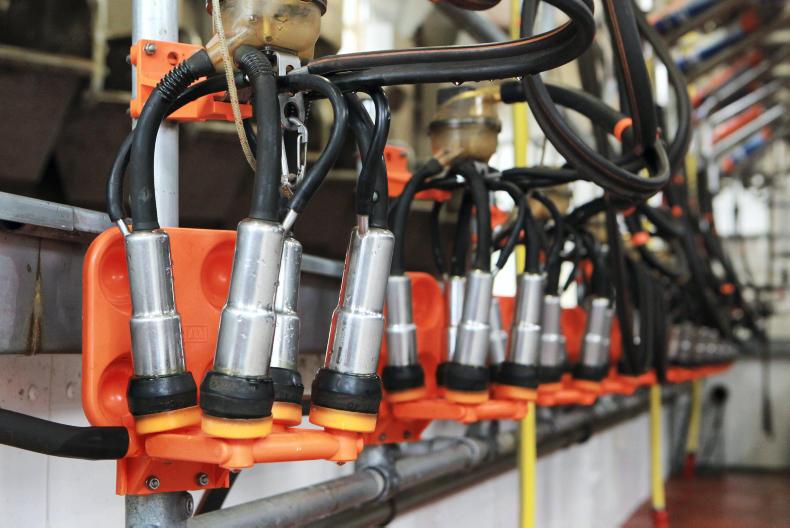
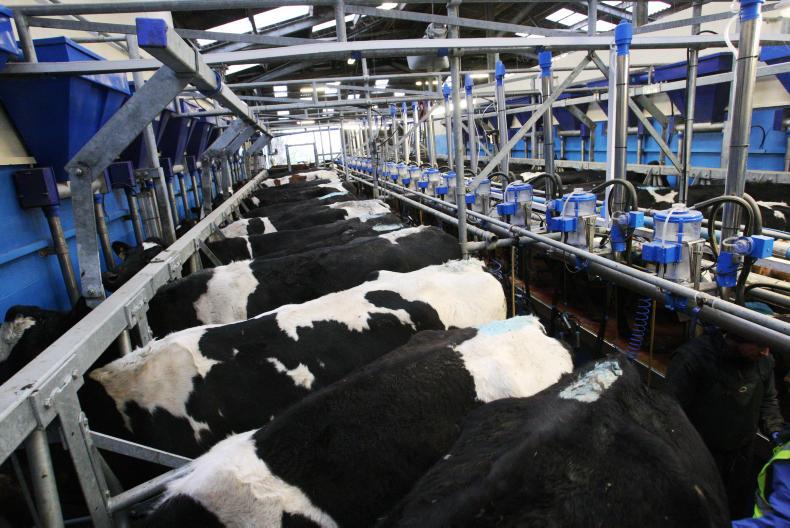
Dairy was badly hit in 2015, with milk prices falling from approximately 34c/l to approximately 25c/l. Meanwhile, the pig sector has been struggling over the past three years, with the primary source of volatility in this period being the price of feed. In 2015, farmgate prices in the pig sector fell by 10%.
All the main political parties have pledged to tackle income volatility in one shape or another if elected into the next government. Here we profile a few of the promises:
Fine Gael
The majority party in the last Government, Fine Gael, is promising to protect farmers' income through seeking out new markets for Irish produce and promoting “sustainable farming practices to mitigate the difficulties which price volatility can create”.
It also says it will “continue to use the tax system to encourage strategic change in agriculture to support farm incomes”. In 2015, the coalition government of Fine Gael and Labour introduced a new €550 tax credit for the self-employed and reduced USC rates, thereby, in the words of Fine Gael, “enhancing the viability of Irish farms”.
Fine Gael also refers to its delivery of the first legal framework for producer organisations in the beef sector, which it hopes will encourage “a more professional negotiating relationship between farmers and processors, ensuring farmers are not just price takers”.
The Labour Party
Labour wants to increase the number of places on the Rural Social Scheme (RSS) by 10% and ensure it includes “an upskilling element to boost the skills potential of participating farmers”. The RSS is a Department of Social Protection scheme aimed at low-income farmers who are already getting a social welfare payment. In return for a top-up payment through the RSS, people participating in the scheme provide services that benefit rural communities.
Like Fine Gael, it also promises to improve on the tax changes it brought in for the self-employed in last year’s budget, including an increase in the earned income tax credit to €1,650 by 2018 and the abolition of the USC surcharge of 3% on income over €100,000 for the self-employed.
Fianna Fáil
Fianna Fáil is promising to restore Farm Assist means testing rules to the level that applied before the last government came to power in 2011. This means adjusting means-testing rules so that, irrespective of the source of farm income, the first €3,000 will be disregarded and the balance will be means tested at 50%. This change will cost the next government €10m if implemented.
Fianna Fáil also says the self-employed, such as farmers, who face higher taxation than the people they employ, should have an equivalent PAYE allowance. This would concern those on low and medium earnings with a tax credit equivalent to the PAYE tax credit of €1,650.
The party is also committed to “reviewing the PRSI anomaly” for farmers who are now entitled to pay self-employed PRSI. Up until 2008, farmers in receipt of Farm Assist were not entitled to pay PRSI contributions on their farm income or receive PRSI credits, which “can have a significant effect on pension entitlements”. The party says it would grant PRSI credits to farmers for the years they were in receipt of Farm Assist.
Sinn Féin
Sinn Féin is looking to restore €5m of Farm Assist, which means reducing the assessment of means from self-employment, including farming, to 85% and reinstating the deductions from income in respect of children that were discontinued in 2013.
It also supports an increased short-term intervention price for milk and other safety net measures to protect smaller dairy farmers facing price volatility since quota abolition.
It also promises to introduce legislation to oversee and regulate pricing, including daily reporting of prices paid by processors to farmers and prices paid by retailers to processors and its comparison with retail prices paid by consumers. On this issue, it will also reintroduce the groceries order to combat below-cost selling of products.
Renua Ireland
Renua Ireland, the newest political party, is proposing the creation of a specific price volatility fund for farmers. This fund would allow producers to invest some of their profits tax-free at times of high income receipts and then withdraw them at a time of economic difficulty. Such funds would not be taxed until withdrawals are made from the fund.
“Farmers are as vulnerable as any other sector to the economics of boom and bust. It is past time the state intervened prior to a crisis rather than after it,” Renua Ireland leader Lucinda Creighton commented in relation to the fund.
Read more
Exclusive poll: Fine Gael farming support holding solid
Full general election coverage
Each of the main parties – Fine Gael, Fianna Fáil, Labour, Renua and Sinn Féin – have addressed the burning issue of farm income volatility in their political manifestos.
Income volatility, especially in the dairy and pig sectors, has been a pressing issue for farmers and the Government over the course of last year.
Dairy was badly hit in 2015, with milk prices falling from approximately 34c/l to approximately 25c/l. Meanwhile, the pig sector has been struggling over the past three years, with the primary source of volatility in this period being the price of feed. In 2015, farmgate prices in the pig sector fell by 10%.
All the main political parties have pledged to tackle income volatility in one shape or another if elected into the next government. Here we profile a few of the promises:
Fine Gael
The majority party in the last Government, Fine Gael, is promising to protect farmers' income through seeking out new markets for Irish produce and promoting “sustainable farming practices to mitigate the difficulties which price volatility can create”.
It also says it will “continue to use the tax system to encourage strategic change in agriculture to support farm incomes”. In 2015, the coalition government of Fine Gael and Labour introduced a new €550 tax credit for the self-employed and reduced USC rates, thereby, in the words of Fine Gael, “enhancing the viability of Irish farms”.
Fine Gael also refers to its delivery of the first legal framework for producer organisations in the beef sector, which it hopes will encourage “a more professional negotiating relationship between farmers and processors, ensuring farmers are not just price takers”.
The Labour Party
Labour wants to increase the number of places on the Rural Social Scheme (RSS) by 10% and ensure it includes “an upskilling element to boost the skills potential of participating farmers”. The RSS is a Department of Social Protection scheme aimed at low-income farmers who are already getting a social welfare payment. In return for a top-up payment through the RSS, people participating in the scheme provide services that benefit rural communities.
Like Fine Gael, it also promises to improve on the tax changes it brought in for the self-employed in last year’s budget, including an increase in the earned income tax credit to €1,650 by 2018 and the abolition of the USC surcharge of 3% on income over €100,000 for the self-employed.
Fianna Fáil
Fianna Fáil is promising to restore Farm Assist means testing rules to the level that applied before the last government came to power in 2011. This means adjusting means-testing rules so that, irrespective of the source of farm income, the first €3,000 will be disregarded and the balance will be means tested at 50%. This change will cost the next government €10m if implemented.
Fianna Fáil also says the self-employed, such as farmers, who face higher taxation than the people they employ, should have an equivalent PAYE allowance. This would concern those on low and medium earnings with a tax credit equivalent to the PAYE tax credit of €1,650.
The party is also committed to “reviewing the PRSI anomaly” for farmers who are now entitled to pay self-employed PRSI. Up until 2008, farmers in receipt of Farm Assist were not entitled to pay PRSI contributions on their farm income or receive PRSI credits, which “can have a significant effect on pension entitlements”. The party says it would grant PRSI credits to farmers for the years they were in receipt of Farm Assist.
Sinn Féin
Sinn Féin is looking to restore €5m of Farm Assist, which means reducing the assessment of means from self-employment, including farming, to 85% and reinstating the deductions from income in respect of children that were discontinued in 2013.
It also supports an increased short-term intervention price for milk and other safety net measures to protect smaller dairy farmers facing price volatility since quota abolition.
It also promises to introduce legislation to oversee and regulate pricing, including daily reporting of prices paid by processors to farmers and prices paid by retailers to processors and its comparison with retail prices paid by consumers. On this issue, it will also reintroduce the groceries order to combat below-cost selling of products.
Renua Ireland
Renua Ireland, the newest political party, is proposing the creation of a specific price volatility fund for farmers. This fund would allow producers to invest some of their profits tax-free at times of high income receipts and then withdraw them at a time of economic difficulty. Such funds would not be taxed until withdrawals are made from the fund.
“Farmers are as vulnerable as any other sector to the economics of boom and bust. It is past time the state intervened prior to a crisis rather than after it,” Renua Ireland leader Lucinda Creighton commented in relation to the fund.
Read more
Exclusive poll: Fine Gael farming support holding solid
Full general election coverage









SHARING OPTIONS