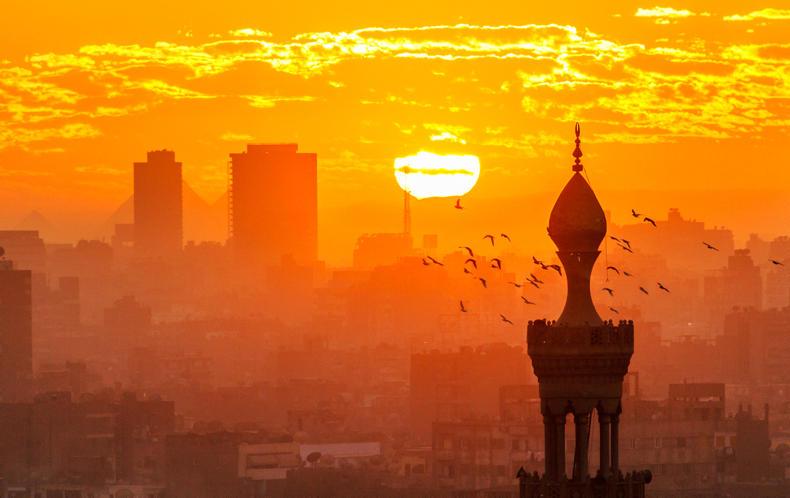
During our Nuffield travels we have moved from India to the middle eastern country of Qatar. The transition could not be more stark. We have moved from the mayhem and chaos that is India to the pristine and organised development of a country with one of the highest GDP's per capita in the world.
The one thing that has not changed though is the heat. If anything, it is even hotter than India was with temperatures touching 50C.
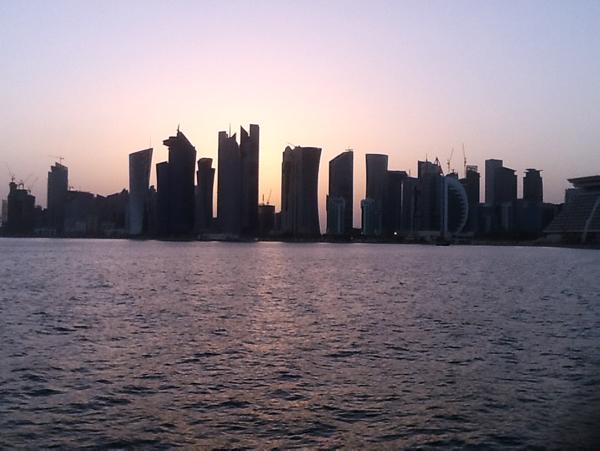
Qatar is one of the smallest of the Gulf States with a population of about three million people (80% of whom are migrant labourers), and one that has gained vast wealth by the sale of predominantly natural gas. With this wealth, they are engaged in a massive building boom with one of there
goals being the hosting of the 2022 soccer World Cup.
Unfortunately, this wealth is not shared equally. The native Qatari people are well looked after by the state which has no need to charge taxes, but provides free education, healthcare, and all amenities. On the other side, the immigrant labourers are, though given food and accommodation, often treated as little more than indentured servants with their passports being held by their employers and only being allowed travel home once every two years or so.
Feeding a growing population
This all causes one problem, how do you feed a population that is growing by 1,000 people a day when you live in a desert and all around you is rock and sand?
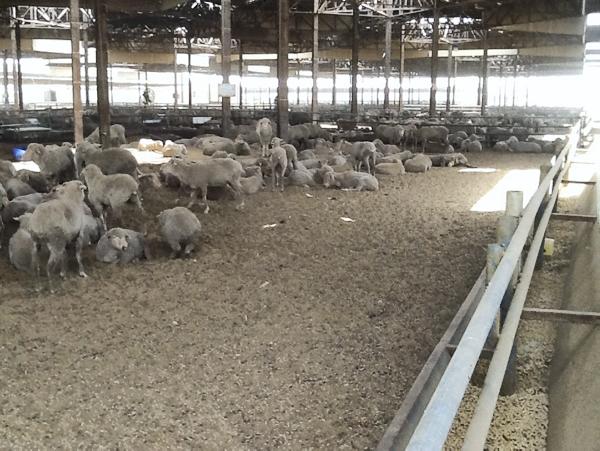
The answer is all based around imports, and when it comes to meat, the vast majority is Australian. Australia export about one million merino sheep to Qatar annually, two thirds of which are live export as the mainly Muslim population believe the fresher your meat is, the better it is.
They see hanging and freezing meat as wrong (though with the younger generations this is slowly changing). Their preference is to buy a sheep at the local market and take it directly to the local slaughter house where they watch it killed, butchered and returned to them in bags all within a 20 minute time frame.
High welfare standards
Animal welfare standards, contrary to expectations, were of a high standard due in the main to Meat and Livestock Australia (MLA), who are the Australian body charged with overseeing their live export trade. MLA dictate animal welfare standards in any country that Australia export live animals to, right up to the point of slaughter even though the animals are no longer under Australian jurisdiction. This is a policy that has seen their exports excluded from a number of countries, but one which ensures the welfare standards of the animals.
Do Ireland go to such lengths to ensure welfare standards? This imposition of welfare standards on imported animals has also helped to raise awareness of local animal welfare standards.
Food industry
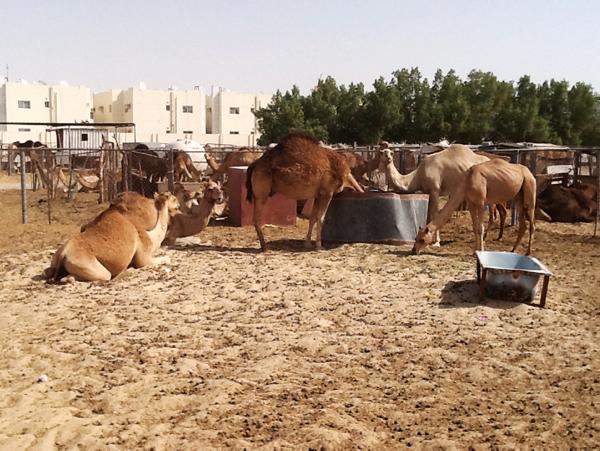
The government of Qatar subsidise the purchase of these Australian sheep so as to provide a cheap source of protein for the mass labour force. The local Awassi (or fat tailed sheep) are considered more of a delicacy and as such fetch up to five times as much in the market place. They are bought, in general, by the much wealthier native Qatari.
Beef is not very high on the culinary scale and as such, there is a relatively small market for locally produced or imported meat.
The local dairy industry is, as far as we could make out, very small as nearly all dairy products we found were imported especially from Saudi Arabia which has a number of very large dairy operations.
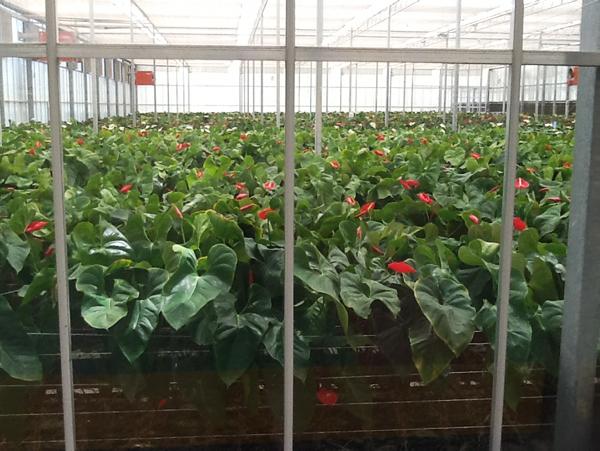
There are similar issues with the fruit and veg we saw in the local market. There was a small amount of locally grown produce which was attracting premium prices, but the vast majority of fruit and veg has to be imported. Keeping anything fresh in 45C+ heat is extremely difficult and it showed in the produce on display.
Our visit to Qatar was a very short one which only allowed for a very brief overview of the country's agriculture. We were, however, treated to extremely warm hospitality and, through our guide, given free access to view the treatment and Halal slaughter of animals. My own impression of what I saw was of people who are proud of the way they treat their animals.
Read Joseph Leonard's report from India.
During our Nuffield travels we have moved from India to the middle eastern country of Qatar. The transition could not be more stark. We have moved from the mayhem and chaos that is India to the pristine and organised development of a country with one of the highest GDP's per capita in the world.
The one thing that has not changed though is the heat. If anything, it is even hotter than India was with temperatures touching 50C.
Qatar is one of the smallest of the Gulf States with a population of about three million people (80% of whom are migrant labourers), and one that has gained vast wealth by the sale of predominantly natural gas. With this wealth, they are engaged in a massive building boom with one of there
goals being the hosting of the 2022 soccer World Cup.
Unfortunately, this wealth is not shared equally. The native Qatari people are well looked after by the state which has no need to charge taxes, but provides free education, healthcare, and all amenities. On the other side, the immigrant labourers are, though given food and accommodation, often treated as little more than indentured servants with their passports being held by their employers and only being allowed travel home once every two years or so.
Feeding a growing population
This all causes one problem, how do you feed a population that is growing by 1,000 people a day when you live in a desert and all around you is rock and sand?
The answer is all based around imports, and when it comes to meat, the vast majority is Australian. Australia export about one million merino sheep to Qatar annually, two thirds of which are live export as the mainly Muslim population believe the fresher your meat is, the better it is.
They see hanging and freezing meat as wrong (though with the younger generations this is slowly changing). Their preference is to buy a sheep at the local market and take it directly to the local slaughter house where they watch it killed, butchered and returned to them in bags all within a 20 minute time frame.
High welfare standards
Animal welfare standards, contrary to expectations, were of a high standard due in the main to Meat and Livestock Australia (MLA), who are the Australian body charged with overseeing their live export trade. MLA dictate animal welfare standards in any country that Australia export live animals to, right up to the point of slaughter even though the animals are no longer under Australian jurisdiction. This is a policy that has seen their exports excluded from a number of countries, but one which ensures the welfare standards of the animals.
Do Ireland go to such lengths to ensure welfare standards? This imposition of welfare standards on imported animals has also helped to raise awareness of local animal welfare standards.
Food industry
The government of Qatar subsidise the purchase of these Australian sheep so as to provide a cheap source of protein for the mass labour force. The local Awassi (or fat tailed sheep) are considered more of a delicacy and as such fetch up to five times as much in the market place. They are bought, in general, by the much wealthier native Qatari.
Beef is not very high on the culinary scale and as such, there is a relatively small market for locally produced or imported meat.
The local dairy industry is, as far as we could make out, very small as nearly all dairy products we found were imported especially from Saudi Arabia which has a number of very large dairy operations.
There are similar issues with the fruit and veg we saw in the local market. There was a small amount of locally grown produce which was attracting premium prices, but the vast majority of fruit and veg has to be imported. Keeping anything fresh in 45C+ heat is extremely difficult and it showed in the produce on display.
Our visit to Qatar was a very short one which only allowed for a very brief overview of the country's agriculture. We were, however, treated to extremely warm hospitality and, through our guide, given free access to view the treatment and Halal slaughter of animals. My own impression of what I saw was of people who are proud of the way they treat their animals.
Read Joseph Leonard's report from India.





SHARING OPTIONS