


Rain makes its mark:
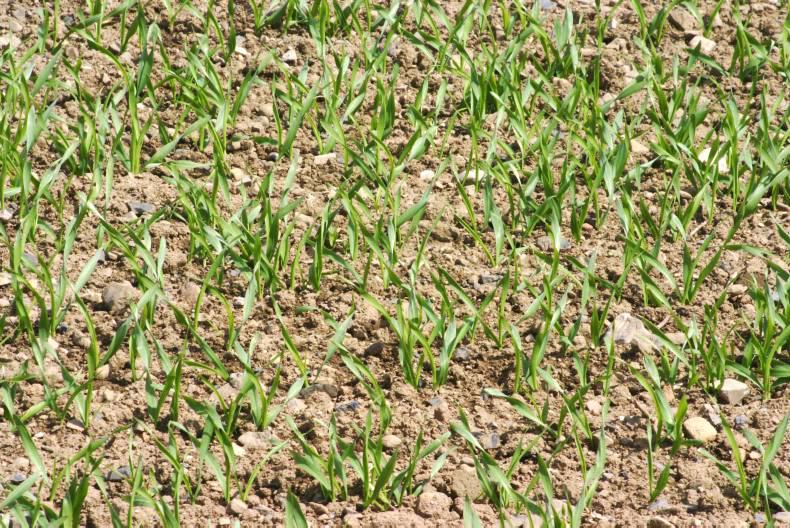
The benefits of the recent rain have quickly become apparent in many spring crop fields. Most areas received over 25mm in the past week and with soil temperatures at 2o-3oC above normal we can expect a burst of growth now in all crops. Nutrients have begun to flow and crop colour has lifted a notch or two.
Winter crops:
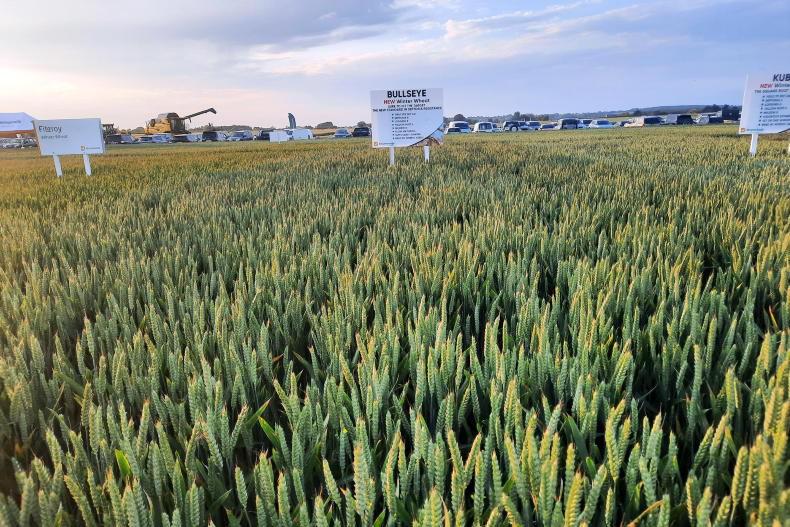
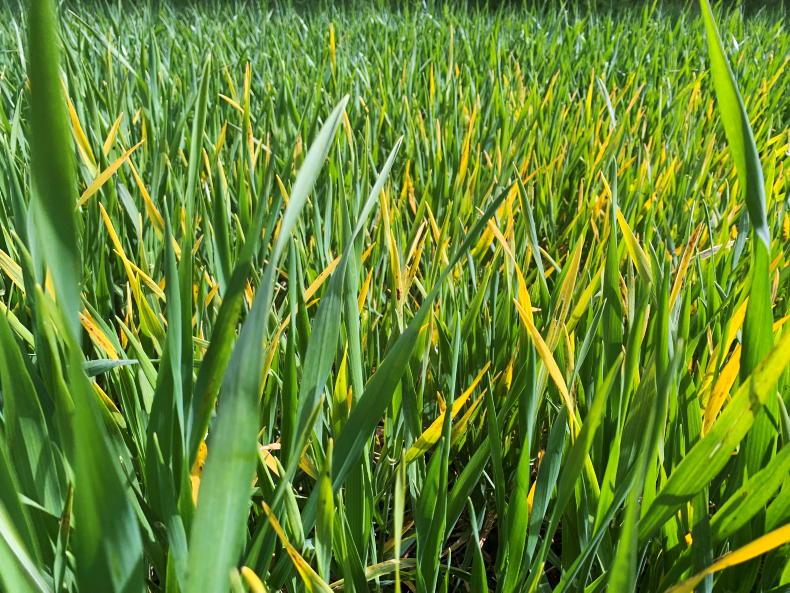
The majority of crops look to be well structured and to have good yield potential. Disease pressure has been generally low so far but yellow rust has been problematic on wheat and crown rust on oats.
All winter barley crops are now showing awns or heads and should have received their final fungicide to help prevent ramularia. A contact active like chlorothalonil or folpet is essential at this timing.
Winter wheat crops have flag leaves emerging or emerged (GS37/39). This happened quite quickly so the interval with T2 may be shortened. Target the T2 once flag leaves are fully emerged, regardless of the T1 timing. Consider any final N on winter wheat (40-60kg N/ha) in the coming week.
The T2 on winter wheat should contain a solid rate of SDHI plus a balanced triazole rate plus chlorothalonil. If you used prothioconazole or epoxiconazole at T1, use metconazole or tebuconazole this time or vice versa. Any of the four main SDHI combinations can be used but you may need to strengthen the triazole in them.
T2 treatments could be either Adexar, Ascra, Aviator, Librax, Seguris, Treoris or products with broadly similar actives but use a different triazole to that used at T1.
Where possible, hold final sprays on oats until the ears are out. If you need a stop-gap, consider a straight triazole like Folicur or Opus. Final spray options include products like Lumen, Furlong, Fandango or Opera. Watch mildew.
Spring crops:
The recent rain has already helped spring crops. Early planted barley is now at the end of tillering so weed and disease control and insecticide should be applied where needed. Insecticide may not be needed on early sown crops but there is already some evidence of BYDV. Fungicide options include Bontima, Siltra, Elatus Era etc.
Herbicide should include an SU, or a mix of SUs, plus a contact or hormone partner. You may also need to treat wild oats or canary grass now. Take care with mixes and sequences when using Axial – do not mix with straight hormones but Pixxaro seems okay.
Apply growth regulator to spring wheat at the start of stem extension. This can be as simple as CCC – 0.8-1.0 l/ha of a 75% product – or a Moddus plus CCC mix (0.1+1.0 l/ha). With spring oats apply first PGR between GS30/31 and GS32, using either CCC or Ceraide or Medax Max. The latter can be used as a split dose for higher risk up to GS39.
All outstanding nitrogen should now be applied.
Watch spring rape for pollen beetle. Treat if necessary with products like Karate or those containing cypermethrin. The economic threshold for treatment is 18 beetles per plant where the plant population is 30-50 plants/m2.


SHARING OPTIONS