


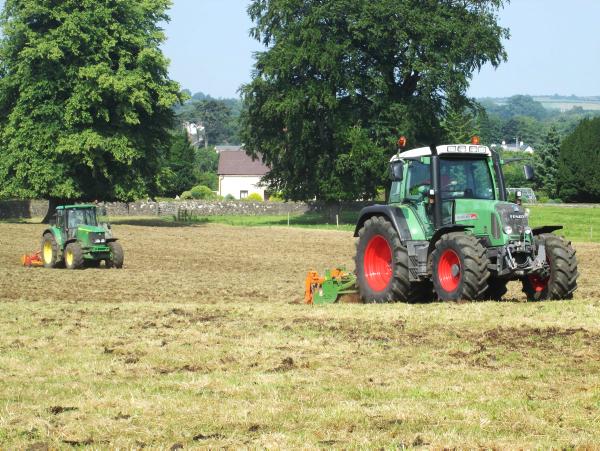
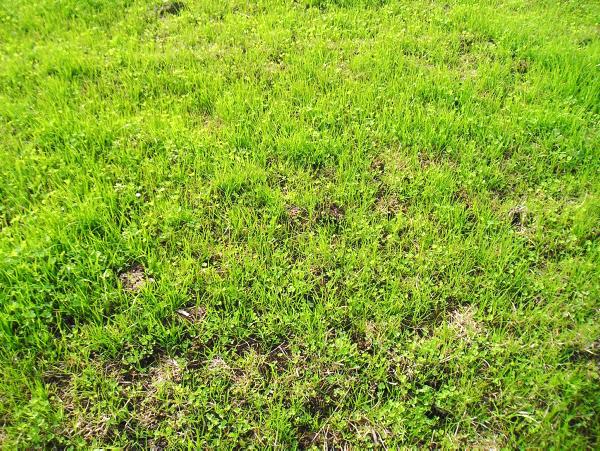
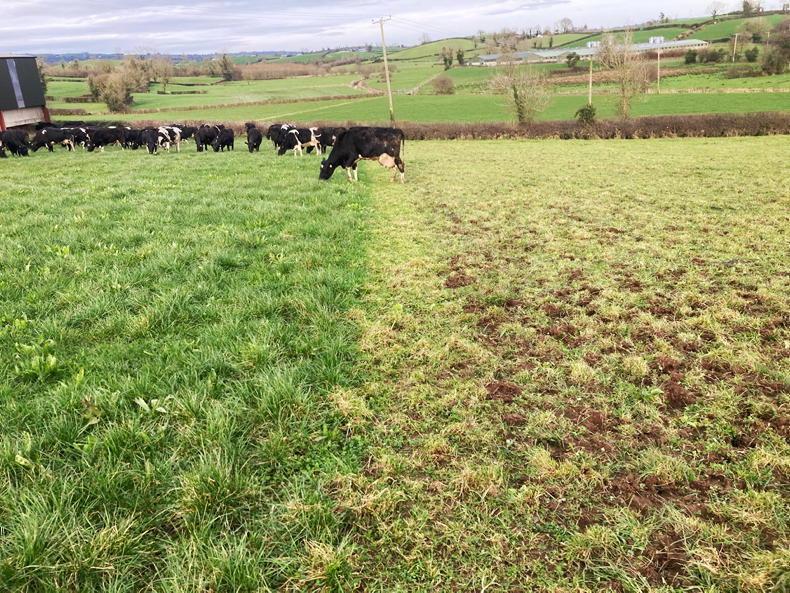
Reseeding fields should result in significantly more grass being produced, to improve grass varieties as weeds are invading existing swards. Reseeding also helps repair swards damaged by poaching from stock and compaction from heavy machinery.
Taking a soil sample to identify any existing soil acidity or fertility issues is advised. Ignoring these issues could result in poor performance of a reseeded sward.
Rectifying soil acidity and fertility, along with having a rotational grazing programme, will encourage growth of existing ryegrass plants without reseeding. To establish a new sward, ploughing or min-till is a necessity. Min-till is the cheaper option, however, if the sward has undergone significant damage ploughing is a must.
Reseeding at this time of year would allow time for the new sward to become established and grazed before autumn, and with rain forecast, now is an excellent time. Reseeding later in the year can result in swards becoming damaged by frost, and as ground conditions are poorer spraying and grazing opportunities will be reduced.
It is worthwhile to select the seed mix most suitable for your land as seed cost is a relatively small section of the total cost of reseeding. ADBI/DARD publish a recommended list each year with up to date performance figures to help with your selection. Chooses varieties with a suitable heading date for your system.
Clover can contribute to sward productivity as it can fix its own nitrogen from the atmosphere and reduce greenhouse gasses, however, this will limit the types of sprays you can use. It may be advisable to deal with any weed issues during the year before reseeding.
After reseeding, it must be continually monitored for pest damage and weeds. Grasses should have at least two leaves, and clover three leaves, before spraying.
Grazing can commence on the new sward as soon as the roots are strong enough. Early grazing is important to allow light down to the base of the sward to encourage tillering. Frequent grazing of lower covers is best to establish a dense, even sward.
For successful reseeding, remember to rectify any soil compaction through ploughing or subsoiling; correct the soil acidity and fertility; sow seed into a firm and fine seedbed, not burying it too deep but aiming for 6-12mm; lightly roll after broadcast sowing for seed contact with the soil and to reduce water loss from the surface; control pests and weeds; and allow frequent grazing with lighter stock.
More detailed information on soil and sward improvement techniques are available in the recent CAFRE publication, Improving Soil and Sward Performance.



SHARING OPTIONS