


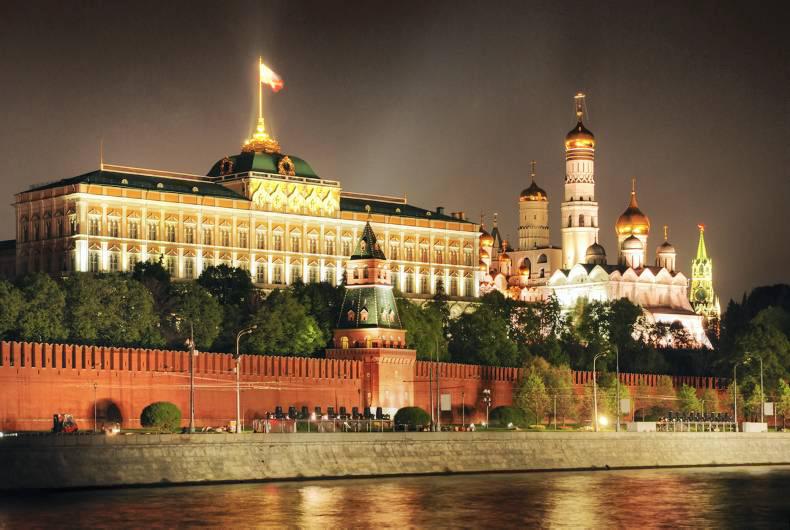
Moscow has pledged to destroy any food exports from the EU third countries such as dairy products, meat and vegetables found to circumvent an import ban imposed this time last year as part of a falling out over the situation in Ukraine. The move comes on the first-year anniversary of the ban, which Russia extended for another year in June 2015.
Russia imposed the ban in August 2014 in response to Europe, Australia, Canada, Norway and the US bringing in sanctions against it due to its military interference in the Ukraine.
In 2013, one year before the ban, EU exports to Russia of dairy products, meat and vegetables had been worth €5.2 billion or 4 % of overall EU agri-food exports.
Russian authorities say banned products are still entering the territory through neighbouring countries under new labels. Under the Russian decree adopted on July 31, banned products must be destroyed in front of witnesses and video-taped. The move has prompted backlash from a number of food groups, condemning the food waste when poverty still afflicts many in the country.
European Commission officials said that despite the ban, EU agri-food exports to third countries climbed 5% in value from Aug 2014 to May 2015 compared to the same period the previous year. Exports have increased to the US, China, Switzerland and Asian markets such as Hong Kong and South Korea. “One year on, it is clear that the EU agri-food sector has been remarkably resilient,” officials said.
However, looking behind the value increase, the Russian ban has caused major problems for the food industry closer to home. Ireland's dairy industry, in particular, has been hardest hit by the ramifications of the ban, coupled with the removal of EU milk quotas earlier this year.
Moving outside Ireland, in June Dutch milk processor FrieslandCampina announced that it expects to cut 375 jobs over the next three years due to the ban hitting Friesland profits to the tune of €80m.
The Russian ban has also contributed to the continued weakness in the global dairy market, indicated most explicitly by the Global Dairy Trade price index, which this week fell to its lowest ever level of 514, its tenth consecutive decrease since March 2015.
Moscow is now also considering retaliatory measures against third countries, which joined the EU’s economic sanctions on Russia, such as Iceland, Liechtenstein, Montenegro, Albania and Moldova.




SHARING OPTIONS