


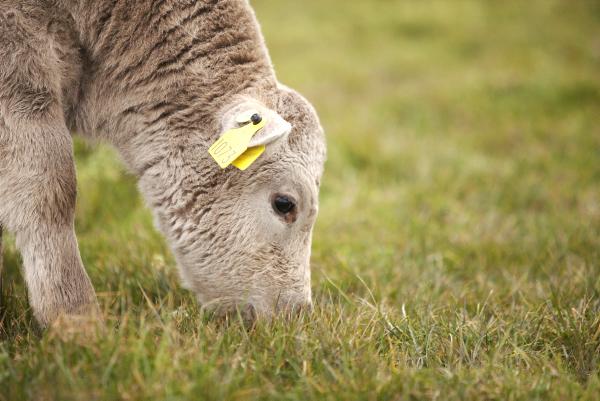
The impact of the fodder crisis last spring and the crisis of confidence facing the national beef suckler cow herd is being reflected in a dramatic 25% drop in year-to-date suckler calf births.
While later calving is undoubtedly a factor, the data on the beef suckler cow herd appears to confirm an ongoing shrinkage in what is regarded as the beef industry’s primary natural resource.
Worryingly, the number of beef heifers calving into the national suckler herd to date in 2014, at 25,030, is 28% lower than the same period last year. It is a massive 36% lower than two years ago, when almost 40,000 beef heifers joined the herd in the first three months of the year.
Fewer cows is also a factor. At 163,679, the number of suckler cows slaughtered in 2013 was 21% higher than the previous year. On-farm suckler cow deaths – mainly linked to the dreadful spring – were 37% higher than 2012. The stark reality is that over 200,000 beef suckler cows left the national herd in 2013.
The calving data for the coming months will determine how many of the 200,000 cows will be replaced.
The figures are sourced from the Irish Cattle Breeding Federation (ICBF) weekly bulletin, the ICBF database and the Department of Agriculture AIMS database.
It is hoped that the new suckler cow payment in 2014 (€60) and 2015 (€80) will help to stem the decline.
Suckler cow calvings in January were similar to last year, but February (-32%) and March (-35%) have shown dramatic reductions. This almost certainly reflects the pressure faced on-farm last spring, when farmers delayed breeding as they struggled to keep animals fed.
Despite the abolition of milk quotas in 13 months, dairy cow calvings are running 3% behind last year for the year to date, although there is a general expectation that the shortfall will be made up in the coming weeks.
Slaughterings
There was no dramatic increase in dairy cow slaughtering or exports in 2013, suggesting that the cows are on farms but have yet to calve. This is backed up by the fact that last week’s dairy cow calvings were 16% higher than the same week 12 months ago. Calvings to date in March are 2.5% behind last year, which will help the national milk quota position next week.
A total of 953,756 births to suckler cows were recorded in 2013, a 12% drop on the previous year’s 1.080m. The data will put further pressure on Minister Coveney and the beef industry to ensure the confidence of suckler farmers is boosted ahead of the key 2014 breeding season.
Regardless of whether the late calving reduces the shortfall, autumn weanling sales will be affected by the fact that one third less suckler calves were born in February and March this year – just 119,377 this year compared to 179,133 last year. That is 60,000 fewer suckler calves from the early part of the calving season.



SHARING OPTIONS