Drafting early lambs: Plants have been slow to enter the trade for early born lambs, but with Easter Sunday falling on 27 March, purchasing should pick up in the coming days.
With carcase weight limits of 20kg, it is important to weigh lambs regularly and match your sales avenue (factory, butcher or mart) to the type of lambs on hand.
Young, fleshed lambs will achieve a kill-out percentage of 48% to 51% and this should be taken into account when setting drafting weights.
It is also important to draft lambs on a combination of weight and fat cover, with a higher risk of lambs finished indoors going over-fat at a lighter weight. This will particularly be the case for ewe lambs.
There is niche market demand from some plants for milk lamb. This is fleshed lambs with a carcase weight of 10kg to 12kg ideally, and no more than 13kg. It may suit some producers to achieve a large draft of lambs at the one time, especially where lambs are still indoors and space is limited. For others, it will suit better to bring to heavier weights.
Decisions should be based on what will deliver the highest margin and suit the farming system best. As a guide, lambs eating ad-lib creep will consume an average of 1kg to 1.2kg when they reach nine to 10 weeks of age onwards.
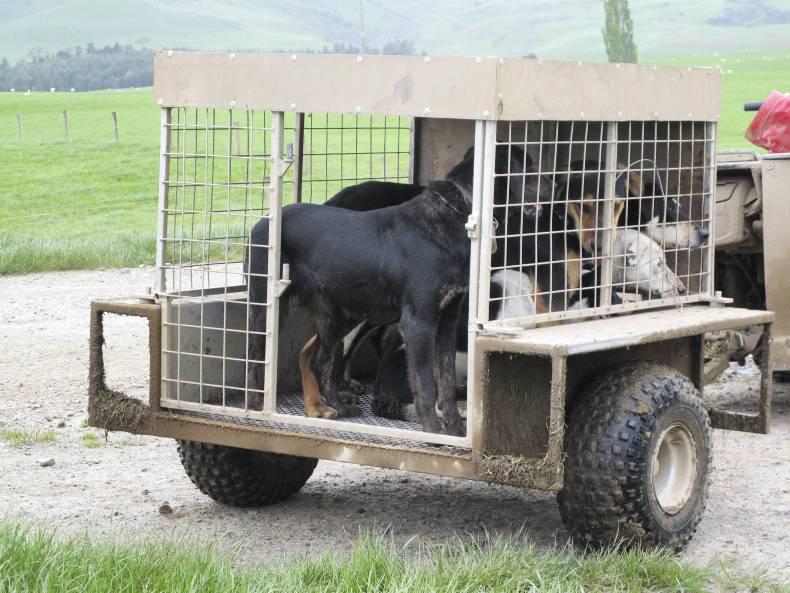
Microchipping costs: This week’s sheep feature on page 53 gives details on the requirement for all dogs over 12 weeks of age to be microchipped by 31 March 2016.
A quick survey of some of the vets offering the service shows a significant price range in the cost of microchipping, with typical costs varying anywhere from €15 to €50.
Vets differ significantly in their charging mechanism, with some adding a consultation or visit fee. Others recommend getting dogs microchipped as part of a general health examination or a call-out to the farm or visit to the practice for ewes lambing, cows calving or other livestock-related tasks, explaining that this will dilute the cost.
Whichever the case, it is important to check first to see that the vet is offering a microchipping service and that they have chips available.
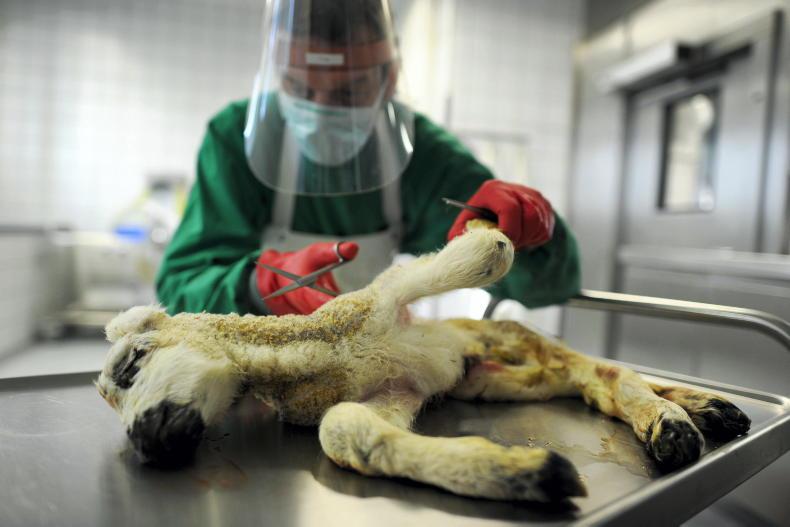
Fluke issues continue: Reports from vets and farmers point to continued losses from liver fluke. The greatest issues are in outwintered sheep on heavy soils or marginal lands.
Where there is a history of liver fluke on farms, vets are advising treatment may need to take place four to six weeks after the last dose.
Products should continue to be selected that treat at least mature and immature stages. For ewes housed eight to nine weeks, a product that treats only mature stages can be selected to give a clear bill of health before turn-out.
Orf vaccination: The orf vaccine Scabivax is being replaced for 2016 by Scabivax Forte. The product is similar to Scabivax and covers a wider range of virus strains with a longer duration of protection.
There are two differences – it is applied with an applicator and, as it is a prescription-only medicine, must be ordered through your veterinary surgeon.
Drafting early lambs: Plants have been slow to enter the trade for early born lambs, but with Easter Sunday falling on 27 March, purchasing should pick up in the coming days.
With carcase weight limits of 20kg, it is important to weigh lambs regularly and match your sales avenue (factory, butcher or mart) to the type of lambs on hand.
Young, fleshed lambs will achieve a kill-out percentage of 48% to 51% and this should be taken into account when setting drafting weights.
It is also important to draft lambs on a combination of weight and fat cover, with a higher risk of lambs finished indoors going over-fat at a lighter weight. This will particularly be the case for ewe lambs.
There is niche market demand from some plants for milk lamb. This is fleshed lambs with a carcase weight of 10kg to 12kg ideally, and no more than 13kg. It may suit some producers to achieve a large draft of lambs at the one time, especially where lambs are still indoors and space is limited. For others, it will suit better to bring to heavier weights.
Decisions should be based on what will deliver the highest margin and suit the farming system best. As a guide, lambs eating ad-lib creep will consume an average of 1kg to 1.2kg when they reach nine to 10 weeks of age onwards.
Microchipping costs: This week’s sheep feature on page 53 gives details on the requirement for all dogs over 12 weeks of age to be microchipped by 31 March 2016.
A quick survey of some of the vets offering the service shows a significant price range in the cost of microchipping, with typical costs varying anywhere from €15 to €50.
Vets differ significantly in their charging mechanism, with some adding a consultation or visit fee. Others recommend getting dogs microchipped as part of a general health examination or a call-out to the farm or visit to the practice for ewes lambing, cows calving or other livestock-related tasks, explaining that this will dilute the cost.
Whichever the case, it is important to check first to see that the vet is offering a microchipping service and that they have chips available.
Fluke issues continue: Reports from vets and farmers point to continued losses from liver fluke. The greatest issues are in outwintered sheep on heavy soils or marginal lands.
Where there is a history of liver fluke on farms, vets are advising treatment may need to take place four to six weeks after the last dose.
Products should continue to be selected that treat at least mature and immature stages. For ewes housed eight to nine weeks, a product that treats only mature stages can be selected to give a clear bill of health before turn-out.
Orf vaccination: The orf vaccine Scabivax is being replaced for 2016 by Scabivax Forte. The product is similar to Scabivax and covers a wider range of virus strains with a longer duration of protection.
There are two differences – it is applied with an applicator and, as it is a prescription-only medicine, must be ordered through your veterinary surgeon.









SHARING OPTIONS