


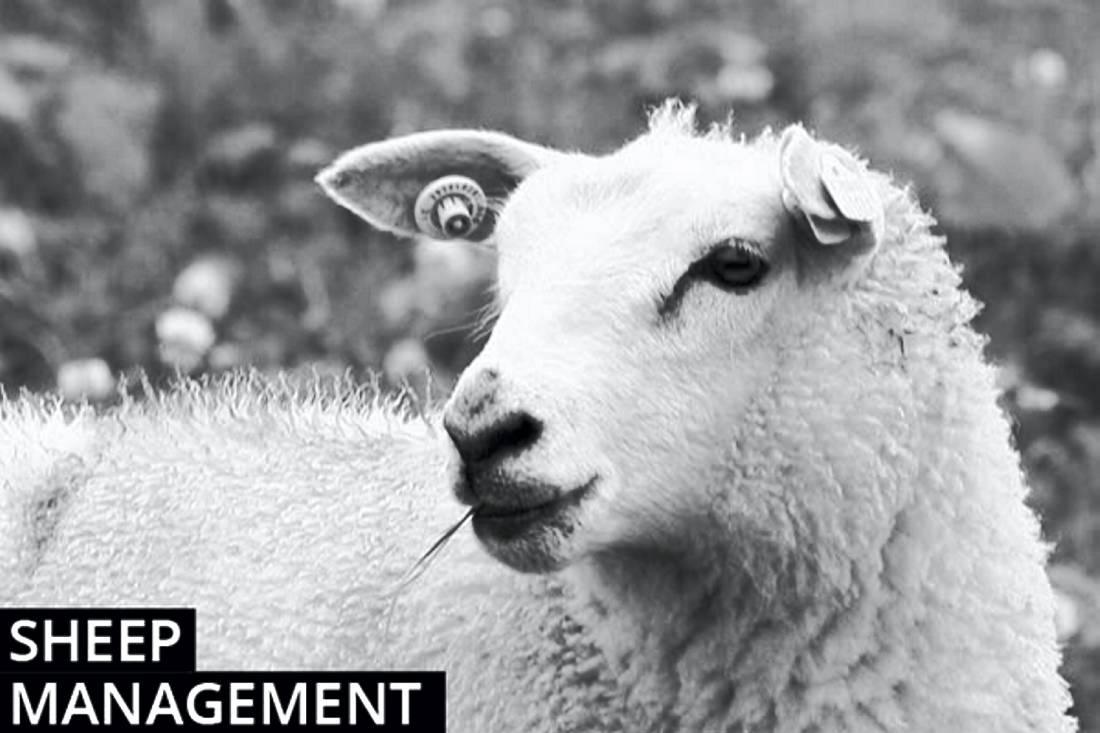
Weather challenges: Discussions on weather have unfortunately taken primary position in management notes in recent months. Conditions remain challenging to say the least. Grass reserves are depleting fast, and there is no option but to stay supplementing to bridge the nutritional gap until grass growth recovers.
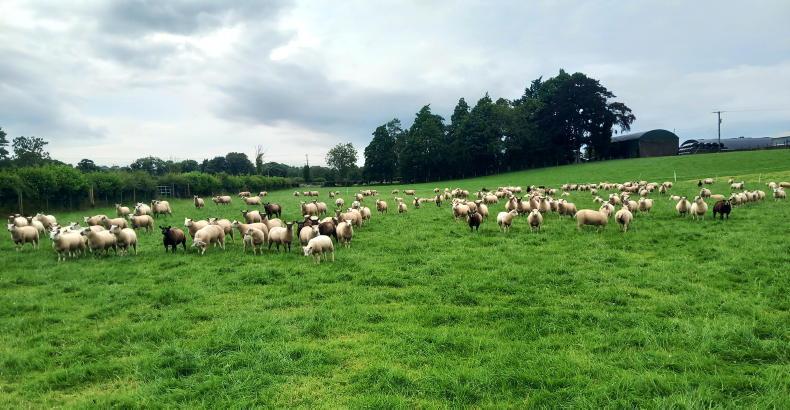
Outdoor and hill lambing flocks are also feeling the brunt of weather, with many systems based on grass growth meeting nutritional demands through lambing. Supplementation with concentrates is difficult, with a heightened risk of mis-mothering if attracting ewes and freshly born lambs around feed troughs. While not an ideal resolution, placing hay/silage feeders and high-energy lick/feed buckets in a number of areas will help in satisfying nutritional demands. Another option some farmers are practicing is tightening ewes into a smaller area and supplementing with concentrates while moving ewes as they lamb to other sheltered fields.
Yearling hoggets suckling lambs also need priority treatment. Hoggets suckling single lambs require 0.5kg to 0.8kg concentrate supplementation, while those suckling twin lambs should receive 0.8kg to 1kg supplementation until grass supplies recover. Feeding should be split twice daily once rates exceed 0.6kg to 0.8kg. Lambs should also be offered access to creep feeding.
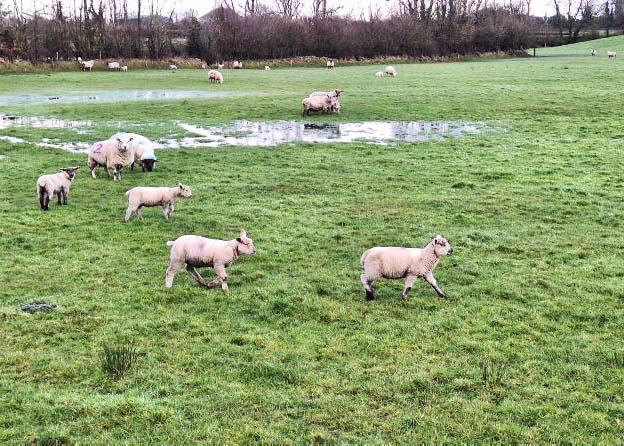
Coccidiosis: The current weather challenges –where the turnout of some ewes and lambs is being delayed and those that are out are, in many cases, are being supplemented in difficult conditions – is increasing the risk of coccidiosis. The greatest challenge is with sheep congregating in poached conditions around feed troughs. The disease greatly impacts on lamb growth rates, with the worst affected lambs facing the prospect of stunted growth in the long term. It can be identified by lambs losing condition or thriving poorly and is best characterised by a dark-grey scour that is often blood stained.
Swift action is required to prevent the spread among lambs. A coccidiostat such as Vecoxan, for example, will treat an infection and also provide a level of preventative cover. Management practices such as moving troughs regularly and placing in the driest area of fields will help in reducing the threat.
Farmers should also be cautious of a sharp rise in the risk of nematodirus if temperatures rise in the coming week to 10 days. The greatest threat will be to lambs aged six to 12 weeks, but younger lambs may also be infected due to ewes being under greater nutritional stress and lambs grazing to potentially compensate for a lower milk yield. The disease also causes scouring and poor performance. It can be treated with any of the wormers, with white or yellow drenches generally recommended.
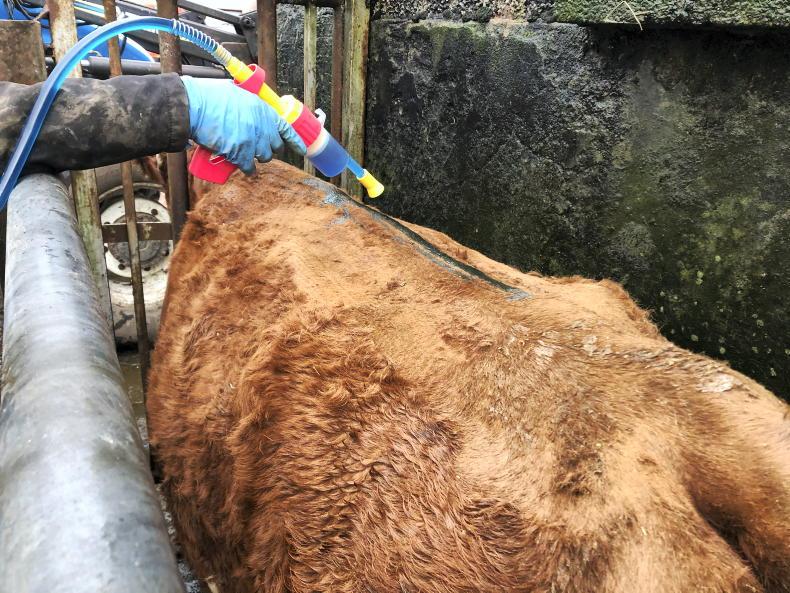
Liver fluke: High rainfall levels, waterlogged soils and relatively mild temperatures for persistent periods over the winter are prolonging the threat of liver fluke. Out-wintered ewes are especially at risk of chronic liver fluke and should receive treatment in April on farms with a history of liver fluke. Chronic fluke can be treated with products that target immature and mature stages of liver fluke. Do not forget to include rams in health treatments. Yearling rams that have experienced a difficult winter may also require worm treatment.


SHARING OPTIONS