In fact, many cattle may be carriers of certain disease-causing organisms but are healthy enough not to become ill or affected by them, according to Animal Health Ireland (AHI).
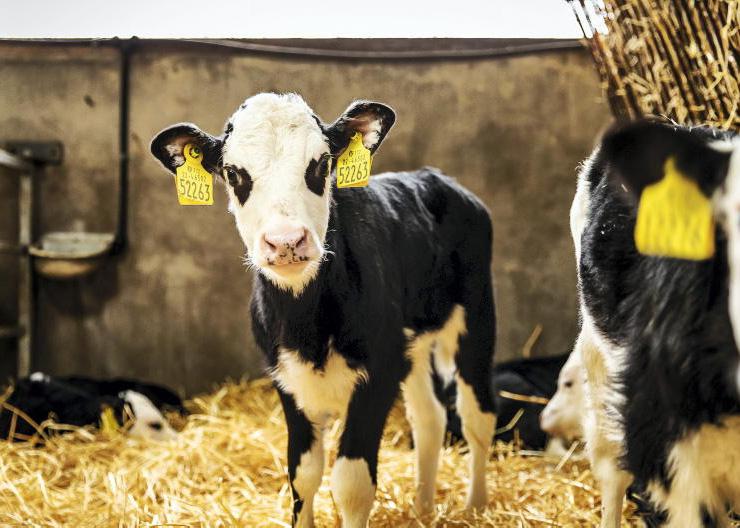
When a calf is being weaned, milk is removed from their diet and the stress of this can weaken their immune system. Below are tips from AHI CalfCare chair Dr Ingrid Lorenz on how to help prevent weanling pneumonia in the autumn:
1. Concentrates need to be introduced at least four weeks before weaning begins. When calves are being weaned, they should have 1kg of concentrates.
2. Calves should be housed three weeks after weaning and ideally in good weather conditions.
3. Dehorning and castration should not be carried out during the weaning period as this is added stress on the animal. In fact, it should be avoided four weeks prior to and after weaning.
4. In larger herds, calves should be weaned slowly by removing a small number of cows from the herd every five days.
5. Housing should be clean, dry and well ventilated with enough food and enough space for the water trough.
6. To prevent dehydration, have lots of clean, fresh water.
If a calf does get pneumonia, early detection is essential because early treatment of the infection means there is a good chance the calf will recover completely. Keep an eye out for dullness in the animal, a quicker rate of breathing and a high fever.
ADVERTISEMENT
AHI's Beef HealthCheck prorgramme will run open days on animal health at housing around the country from 7 October.
This content is available to digital subscribers and loyalty code users only. Sign in to your account, use the code or subscribe to get unlimited access.
The reader loyalty code gives you full access to the site from when you enter it until the following Wednesday at 9pm. Find your unique code on the back page of Irish Country Living every week.
CODE ACCEPTED
You have full access to the site until next Wednesday at 9pm.
CODE NOT VALID
Please try again or contact support.
In fact, many cattle may be carriers of certain disease-causing organisms but are healthy enough not to become ill or affected by them, according to Animal Health Ireland (AHI).
When a calf is being weaned, milk is removed from their diet and the stress of this can weaken their immune system. Below are tips from AHI CalfCare chair Dr Ingrid Lorenz on how to help prevent weanling pneumonia in the autumn:
1. Concentrates need to be introduced at least four weeks before weaning begins. When calves are being weaned, they should have 1kg of concentrates.
2. Calves should be housed three weeks after weaning and ideally in good weather conditions.
3. Dehorning and castration should not be carried out during the weaning period as this is added stress on the animal. In fact, it should be avoided four weeks prior to and after weaning.
4. In larger herds, calves should be weaned slowly by removing a small number of cows from the herd every five days.
5. Housing should be clean, dry and well ventilated with enough food and enough space for the water trough.
6. To prevent dehydration, have lots of clean, fresh water.
If a calf does get pneumonia, early detection is essential because early treatment of the infection means there is a good chance the calf will recover completely. Keep an eye out for dullness in the animal, a quicker rate of breathing and a high fever.
AHI's Beef HealthCheck prorgramme will run open days on animal health at housing around the country from 7 October.
If you would like to speak to a member of our team, please call us on 01-4199525.
Link sent to your email address
We have sent an email to your address. Please click on the link in this email to reset your password. If you can't find it in your inbox, please check your spam folder. If you can't find the email, please call us on 01-4199525.
ENTER YOUR LOYALTY CODE:
The reader loyalty code gives you full access to the site from when you enter it until the following Wednesday at 9pm. Find your unique code on the back page of Irish Country Living every week.






SHARING OPTIONS