


The sharp comments by the IFA and ICSA over the past week or so on weight penalties are a logical reaction to the action by factories. When their members get cut, it is natural that farmer representative organisations protest on behalf of their members.
However, farmer complaints and factory penalties won’t solve the specification problem and get the best overall outcome for the Irish beef industry.
This is where a properly functioning Beef Forum should come in. It should be outcome-driven, not a platform for anyone participating to advance their own interests. There should be just one interest, namely maximising the value of the Irish beef industry. The only debate should be about how this can be achieved.
Market demands
The starting point has to be to establish what exactly the market wants. Bord Bia is on the record that the general principle is that cattle in the 280kg to 400kg range in general get into the best and highest-value markets.
It notes that while there are niche markets outside of this for bulls produced to a particularly tight specification or native breeds produced for specialist butcher markets, the opportunities for cattle destined for the retail sector are tightening.
This isn’t just in the UK – farmers across Europe are being pressurised to deliver at under 400kg and getting similar prices to ourselves. Therefore, the direction of travel is towards smaller cattle.
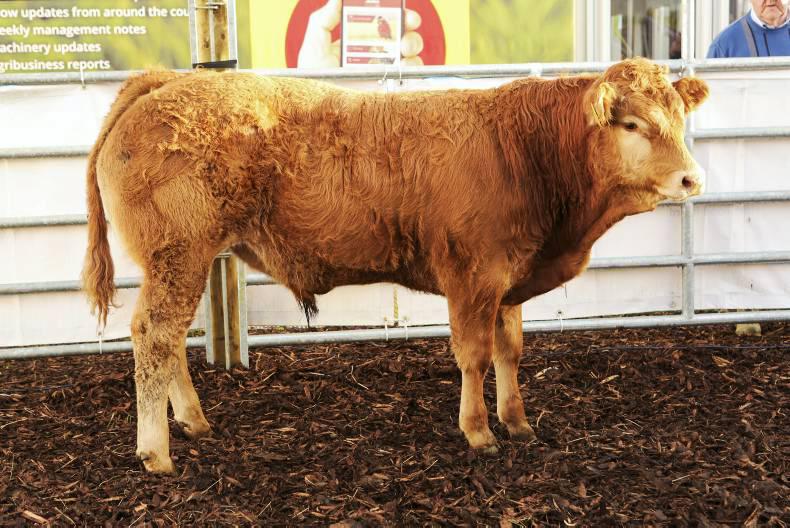
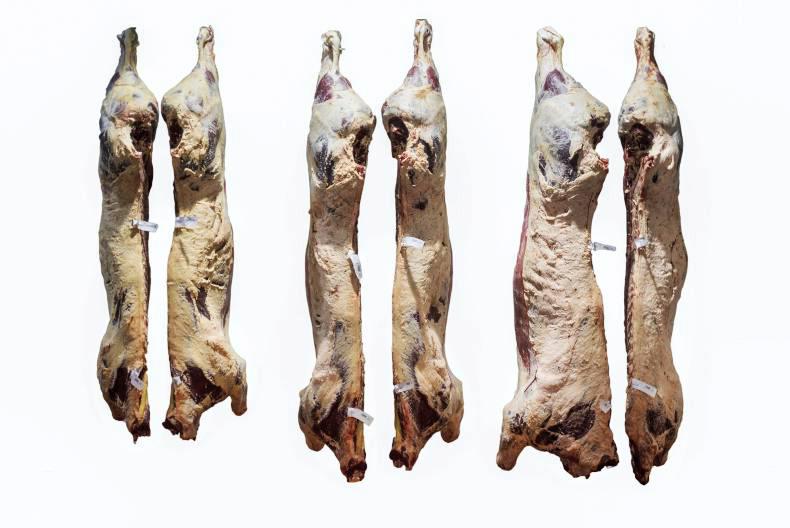
Accepting the Bord Bia market analysis leaves the problem that the best cattle from the best suckler herds on the best farms are often only starting to go at 400kg.
Farmers reasonably highlight that by denying them the opportunity to maximise the growth potential of the carcase, they are being denied income that isn’t forthcoming by way of extra pence per kilo for smaller carcases.
This is where we look to Teagasc for advice. The forum agreement towards the end of 2014 charged Bord Bia with looking at the market implications of heavy cattle, which by and large they have.
Teagasc has produced a comprehensive blueprint that allows farmers record and measure their performance. However, they need to test out the systems themselves and see what can be achieved to inform the debate. Ideally, this would produce a series of production options that farmers could pursue profitably.
Genetic solution
In an era when we have the BDGP scheme up and running, is there a solution to be found in breeding that Teagasc or the ICBF could develop and ultimately have implemented on Irish farms?
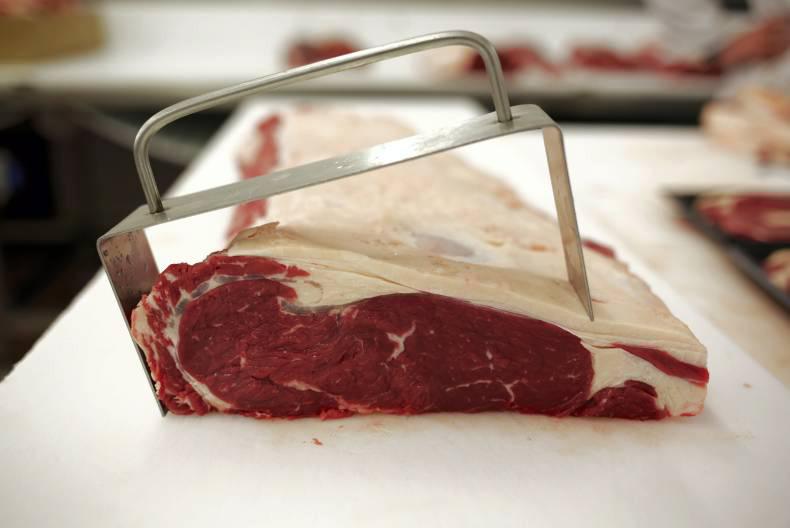
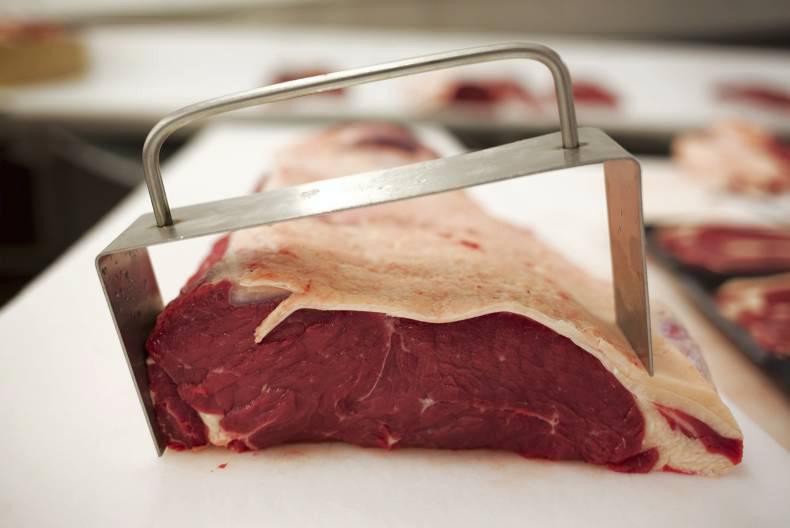
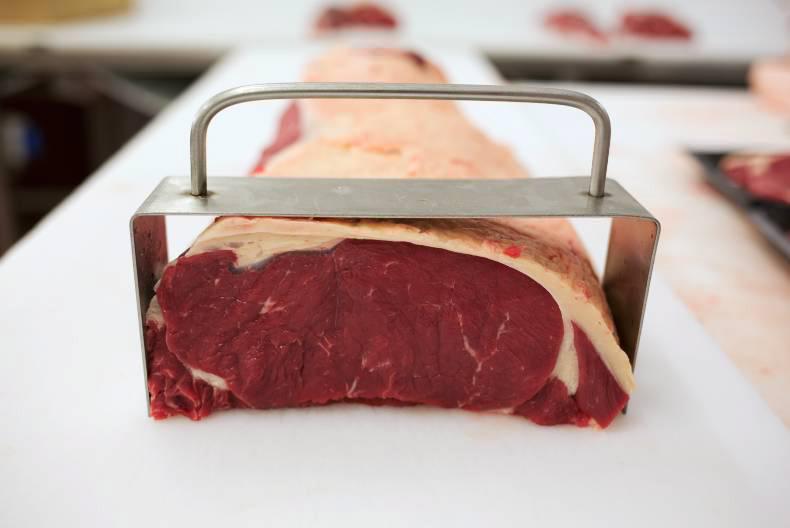
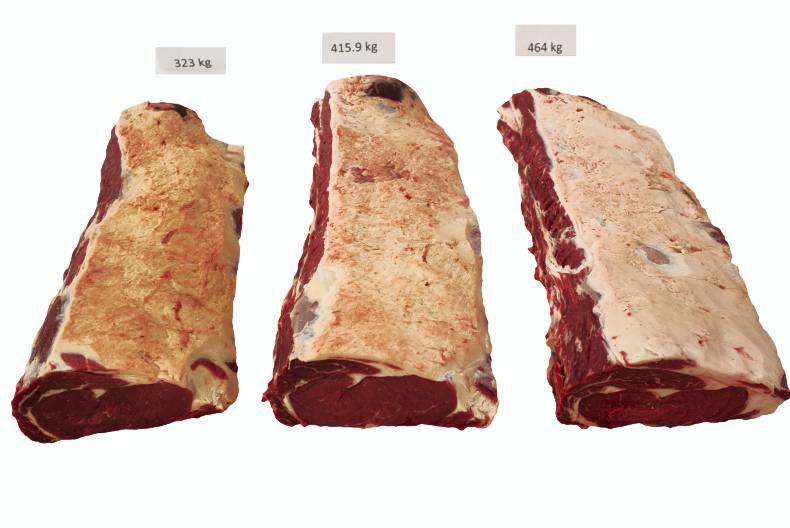
It is well known that the biggest hit taken in the market on heavy cattle is from the loins not fitting into retail packs, and being downgraded into carvery roasts.
The poultry industry has developed genetics that maximise the yield of breast meat. They have also reduced the time it takes to produce a bird to five or six weeks. Can beef genetics be developed in a way that produces a carcase that will better meet market demands?
The other issue is timing. It took us 40 years to develop the suckler herd we now have and we won’t change it in a one-year moratorium, even if everyone was signed up. Hence the unilateral action by the factories is an extremely blunt instrument.
What is even more frustrating and mystifying is that heavy cattle should be taken off the QPS system. QPS was introduced to encourage and reward farmers for producing cattle in a certain way and weights were not part of that discussion. A penalty to reflect the market is one thing, a subsequent penalty of exclusion from the QPS is something else entirely and totally unacceptable.
The time for talking at each other is over. Proper engagement is necessary to identify what the best-paying markets want and then set about seeing how and if that can be delivered.
It will require farmers, factories, Bord Bia, Teagasc and other agencies with a stake in the Irish beef industry to work together, not against each other.
It is only when we identify how and how much it costs to produce the most suitable cattle for the market that we will know if we have a viable industry long-term.
A fragmented approach with penalties here and a moratorium there doesn’t take us on that journey.



SHARING OPTIONS