Norbrook, a company which specialises in the development and manufacture of veterinary and animal health medicines, undertook the survey in November 2015.
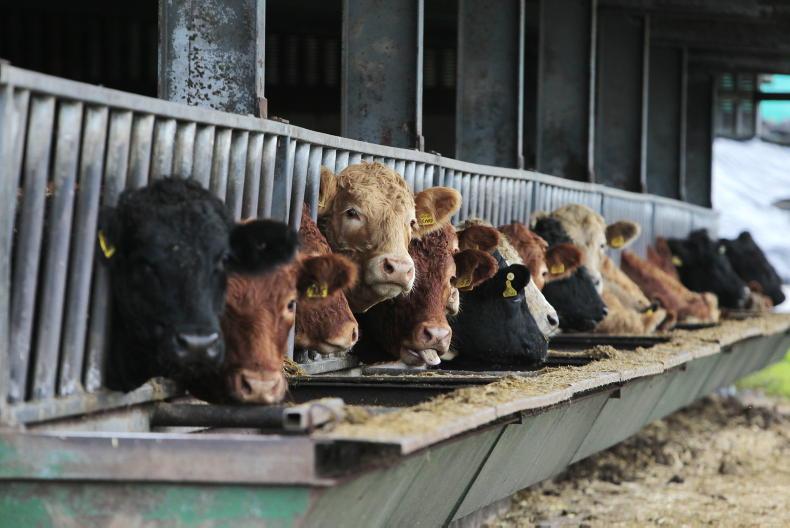
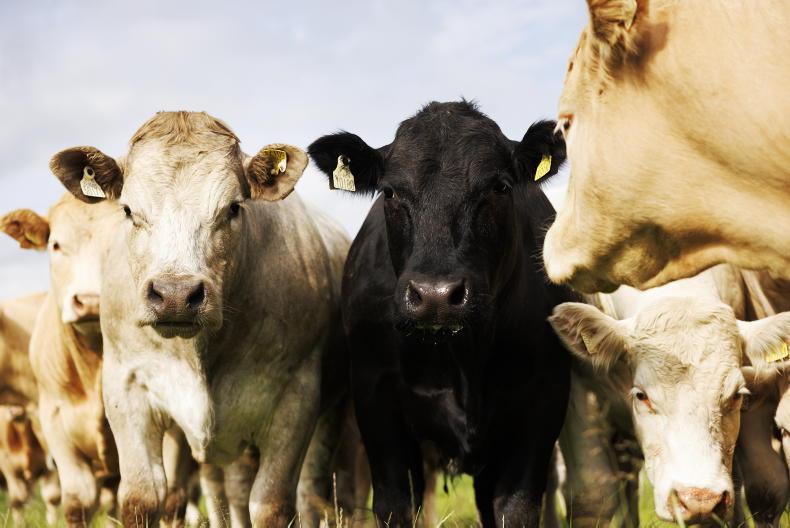
Of the 182 responses recorded by the survey in answer to the question of whether Irish farmers had recently tested for liver fluke in beef cattle, the majority of respondents (72.53%) said they had not.
Only 8.79% said they had tested in the month before the survey was taken and 12.64% said they had tested over six months before the survey.
This means the majority of the applicants did not test for liver fluke in 2015.
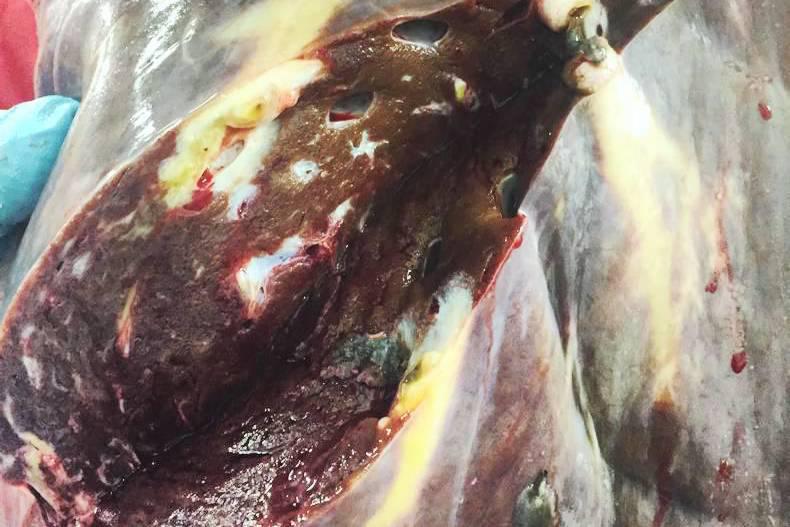
The result is surprising given that 2015 saw an extremely wet summer, a factor which heightens the risk of liver fluke, for which animals often need to be treated after turnout in the summer.
The risk is especially high for the winter, yet only 32% of respondents had already spoken to their vet or animal health adviser about treating for liver fluke for the winter of 2015/’16 by the time the survey was carried out.
More reassuring, however, is that 92% of 181 respondents said they treated cattle for liver fluke in the previous winter of 2014, when, according to the Ollerenshaw Index from Met Éireann, there was a fairly low prevalence of the disease.
British and Irish farmers
As well as Irish farmers, Norbrook surveyed British farmers. Among British and Irish farmers altogether, 68% said they had not recently tested for liver fluke, and only 17% said they had tested within the four months prior to the survey.
Norbrook called these statistics “alarming” and said it “highlights the lack of liver fluke testing amongst UK and Irish beef farmers”.
Lack of understanding around how to prevent liver fluke
The survey also highlighted a lack of understanding among farmers when it comes to the best strategies for preventing liver fluke infections in the herd. Some 42% of 180 Irish respondents said a recap on this information would be handy, while 40% of British and Irish respondents said they would appreciate the recap.
Commenting on the survey, Maura Langan, veterinary adviser for Norbrook, said: “At Norbrook, we believe that a wide range of industry stakeholders have a role to play in helping farmers to firstly understand the implications of fluke in their animals, how to test for it and finally if necessary, when and how to treat the animal with appropriate active ingredients at the appropriate time of year.”
Read more
Forecasts raise high liver fluke alert
Vet’s corner: let’s talk liver fluke
Norbrook, a company which specialises in the development and manufacture of veterinary and animal health medicines, undertook the survey in November 2015.
Of the 182 responses recorded by the survey in answer to the question of whether Irish farmers had recently tested for liver fluke in beef cattle, the majority of respondents (72.53%) said they had not.
Only 8.79% said they had tested in the month before the survey was taken and 12.64% said they had tested over six months before the survey.
This means the majority of the applicants did not test for liver fluke in 2015.
The result is surprising given that 2015 saw an extremely wet summer, a factor which heightens the risk of liver fluke, for which animals often need to be treated after turnout in the summer.
The risk is especially high for the winter, yet only 32% of respondents had already spoken to their vet or animal health adviser about treating for liver fluke for the winter of 2015/’16 by the time the survey was carried out.
More reassuring, however, is that 92% of 181 respondents said they treated cattle for liver fluke in the previous winter of 2014, when, according to the Ollerenshaw Index from Met Éireann, there was a fairly low prevalence of the disease.
British and Irish farmers
As well as Irish farmers, Norbrook surveyed British farmers. Among British and Irish farmers altogether, 68% said they had not recently tested for liver fluke, and only 17% said they had tested within the four months prior to the survey.
Norbrook called these statistics “alarming” and said it “highlights the lack of liver fluke testing amongst UK and Irish beef farmers”.
Lack of understanding around how to prevent liver fluke
The survey also highlighted a lack of understanding among farmers when it comes to the best strategies for preventing liver fluke infections in the herd. Some 42% of 180 Irish respondents said a recap on this information would be handy, while 40% of British and Irish respondents said they would appreciate the recap.
Commenting on the survey, Maura Langan, veterinary adviser for Norbrook, said: “At Norbrook, we believe that a wide range of industry stakeholders have a role to play in helping farmers to firstly understand the implications of fluke in their animals, how to test for it and finally if necessary, when and how to treat the animal with appropriate active ingredients at the appropriate time of year.”
Read more
Forecasts raise high liver fluke alert
Vet’s corner: let’s talk liver fluke







SHARING OPTIONS