


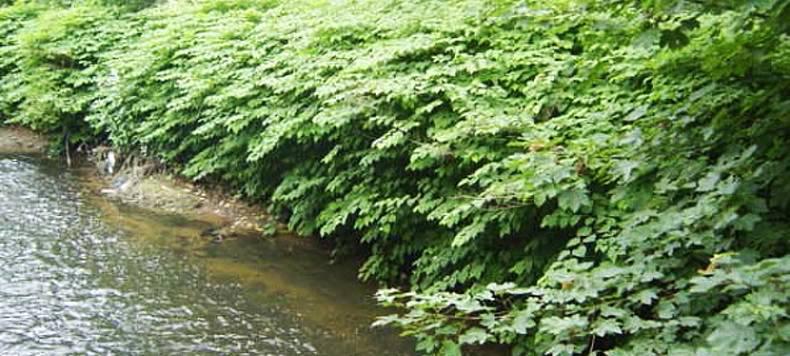
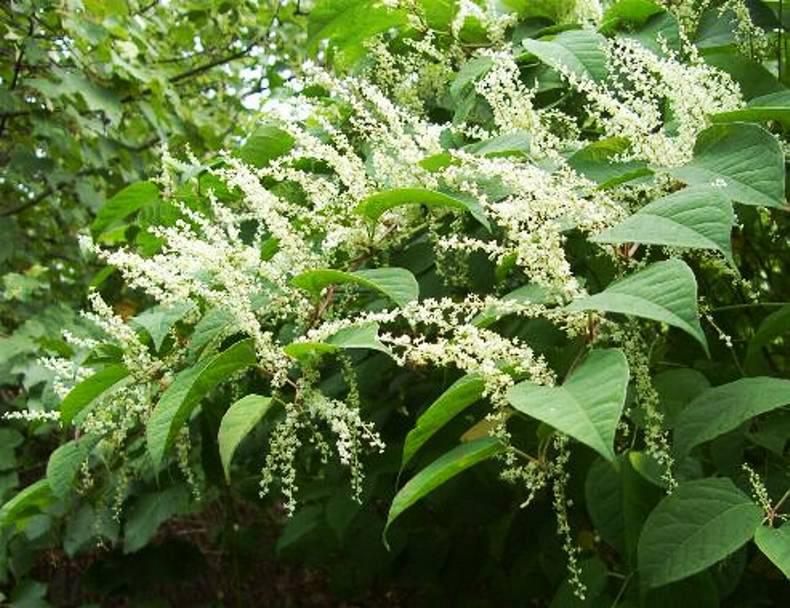
Japanese knotweed is one of a number of invasive weeds which are taking over parts of our countryside. This is a highly aggressive species which can seriously interfere with indigenous flora and ecosystems. At some point it must have been quite localised, but now there are reports from many parts of the country.
The letter in a recent edition of the Irish Farmers Journal from students in Clonakilty is just one example. This is a nasty weed in terms of its aggressiveness in any environment and how quickly it can take over. But it is not happy to stay in open spaces and will frequently invade buildings and penetrate walls and floors in buildings and houses.
It is a perennial plant which dies back every year and moves and spreads by rhizomes. It is also moved from place to place when soil is moved via earthworks etc. The plants produce seeds also in late summer, but these are thought to be infertile normally.
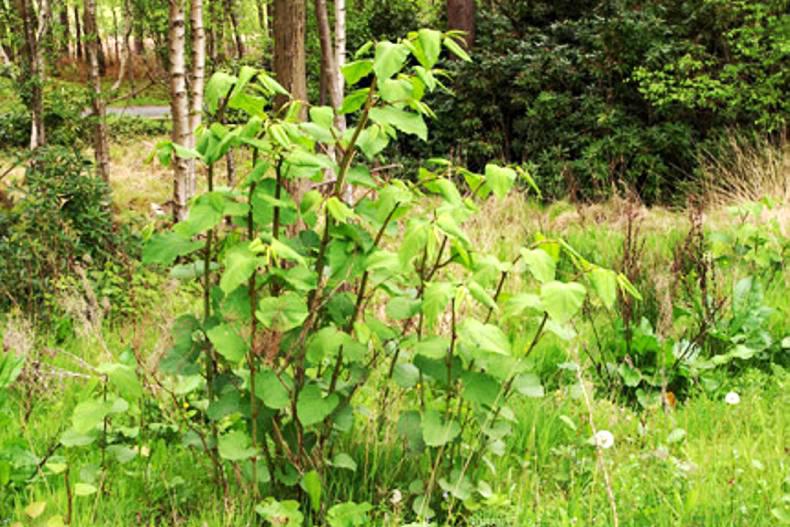
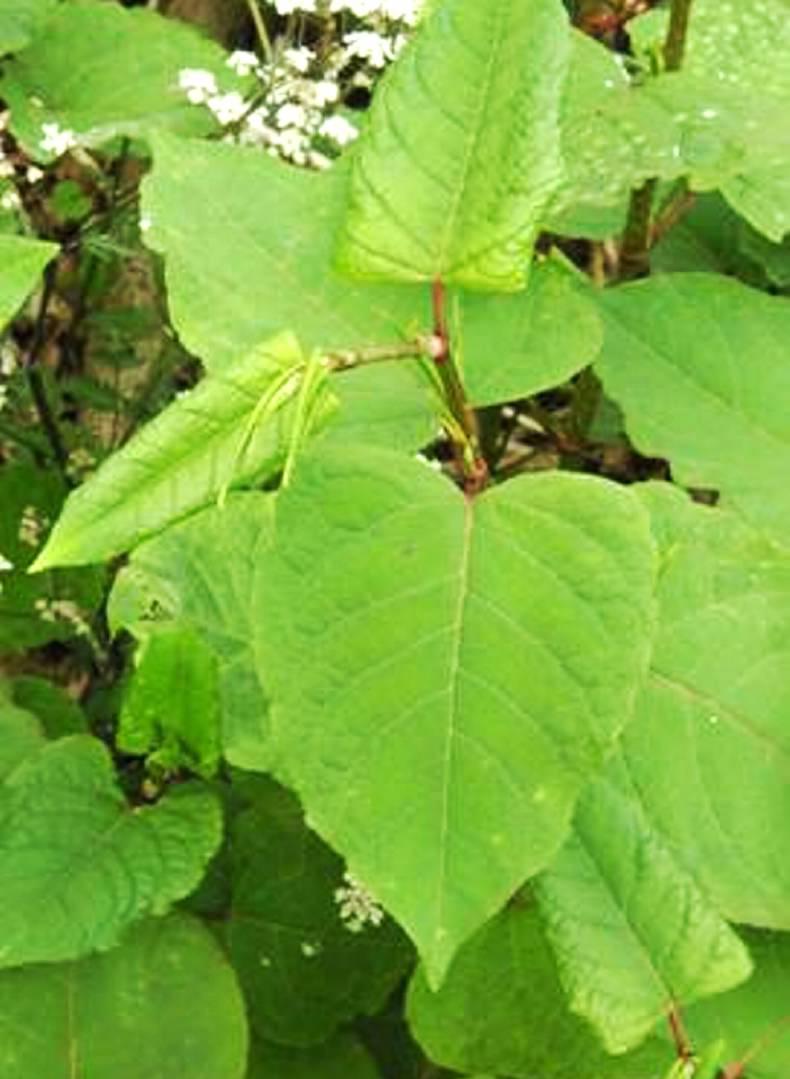
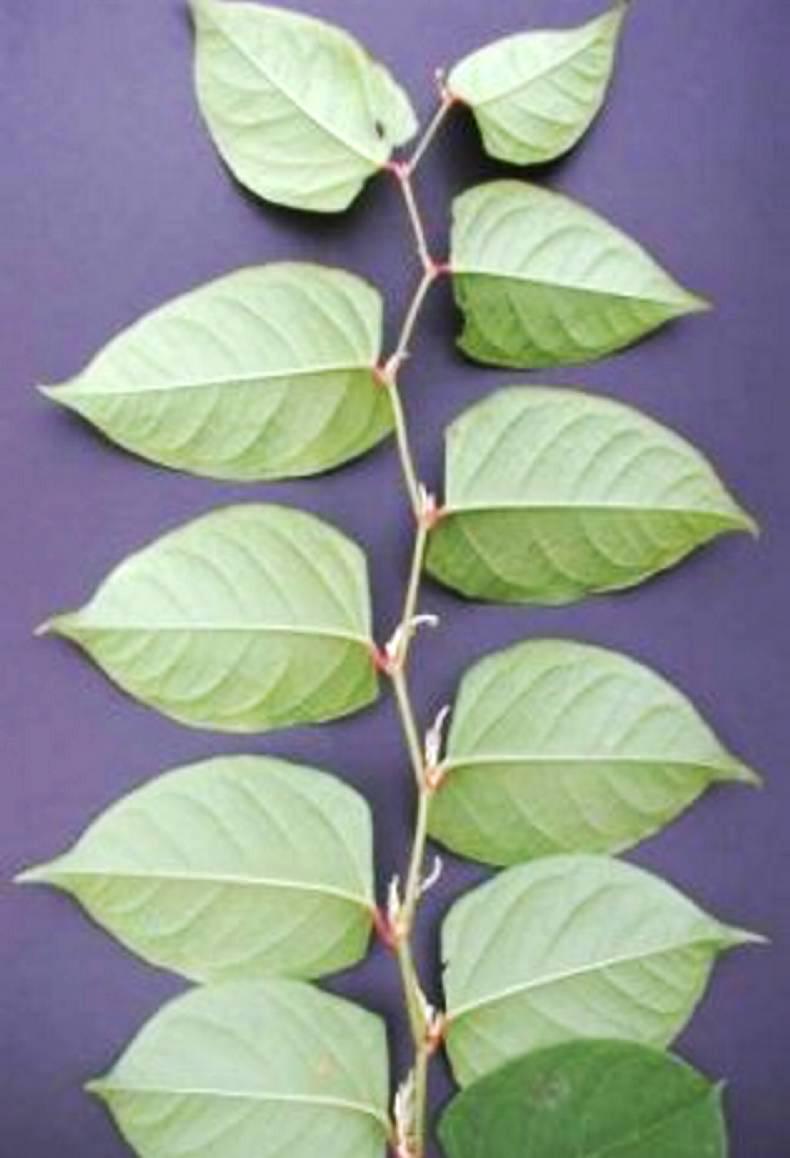
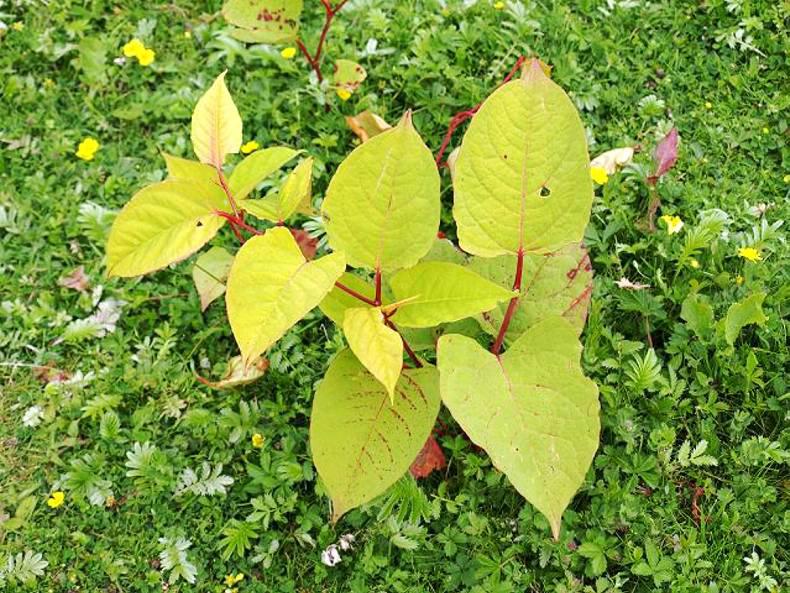
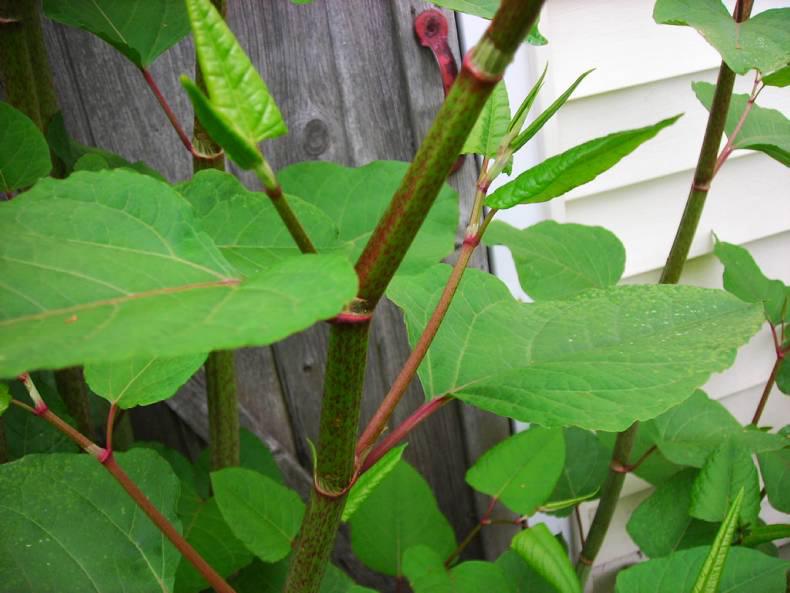
The fact that people do not recognise the weed is a significant reason as to why it can invade and expand unnoticed for a time. The following description and the associated pictures should help people to recognise the weed and its scourge potential.
Growth cycle
In the early spring red/purple shoots come up from the ground and grow rapidly to produce thick stalks or canes. Leaves gradually unfurl from nodes in the canes as they grow. The leaves can appear quite yellow where nutrition is low, but they will normally turn green as the plant develops and they are broadly heart-shaped.
By summer, the plants are usually fully grown and up to three metres tall in dense clumps. The mature canes are hollow in the centre, with a distinctive purple speckle on the outside. The plant spreads mainly through its production of rhizomes in the soil so it is silently advancing all the time. New shoots then emerge from these rhizomes, both in spring and during the year.
In late autumn to winter the leaves fall off and the canes die back and turn brown. The canes generally remain in place over winter and can still be present when the new shoots emerge in the following spring.
The rhizomes grow in the soil to expand the footprint of the plant. They look more like the root of a tree and have a leathery dark brown bark. A rhizome is said to snap like a carrot when it is fresh. When the bark is scratched, the flesh beneath is orange or yellow in colour. The flesh on the inside of the rhizome has a dark orange/brown central core but it can be hollow with an orange, yellow or creamy outer ring.
Young rhizomes are very soft and white and the knots or nodes can potentially become a new plant if the rhizome is cut. Rhizomes help spread the plant by as much as seven metres in a single season, so it has huge potential to invade.
Japanese knotweed was introduced to the UK in 1824 as a garden ornamental. It was first recorded in Ireland in the wild in the early 1900s.
Many people are concerned about its expansion progress throughout the country and control procedures are recommended. It is not one of our noxious weeds but very few people regard it as an asset to biodiversity. It is generally controlled using glyphosate products in the autumn, before the leaves are shed and probably at or just post flowering.
Notify National Parks
The onus for removal of Japanese knotweed is on the landowner. If you find it on your own land, a licence to remove it must be obtained from the wildlife licence unit at 01 888 3241 and you must ensure the removal is done correctly. If you find the weed on land owned by your local authority, you can contact the county council. If it is found in a National Park or Special area of Conservation, the National Parks must be notified by calling +353 (0)1 888 3242 (or from the Republic of Ireland you can LoCall 1890 383 000) or emailing nature.conservation@ahg.gov.ie. More information on legislation surrounding Japanese knotweed can be found on http://invasivespeciesireland.com/toolkit/invasive-plant-management/.




SHARING OPTIONS