


Every time the likes of Google or Microsoft ups sticks and moves to Ireland to avail of a “skilled and highly trained workforce” (don’t mention the rate of tax), land has to be found for their facility.
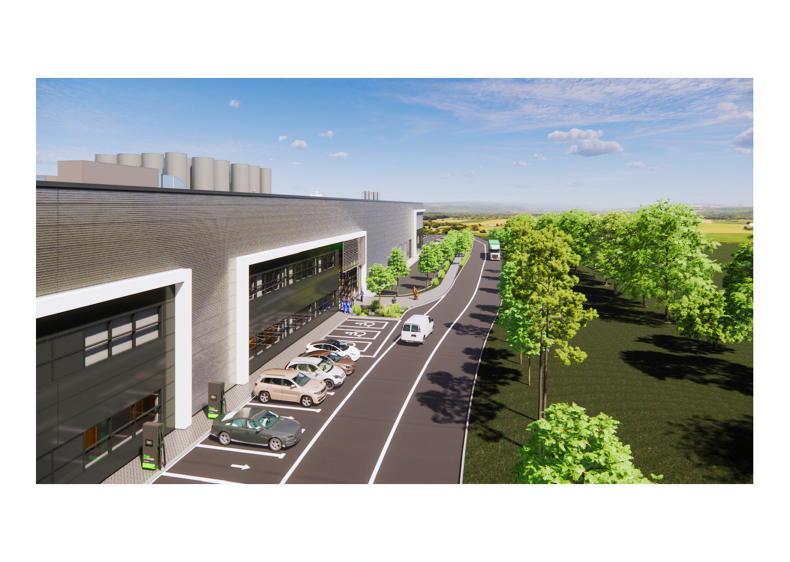
Just last month, Facebook broke ground on a new data facility near the Dublin-Meath border in Clonee. The facility, which will be constructed over a 10-year period in two phases, is being built on 220 acres of mostly farmland. Hundreds of construction jobs and a few dozen permanent jobs will be created. So, how does it work and who owns the land?
It is quite simple. Essentially the Government owns the land. Well, not exactly the Government but a semi-state body working on its behalf – namely the Industrial Development Authority, otherwise known as the IDA. The IDA is the body responsible for attracting companies to invest in Ireland.
As a spokesperson explained to the Irish Farmers Journal: “IDA Ireland holds land for the purposes of enterprise development and job creation. We manage this pool on a regular basis, adding and disposing of land as companies express an interest in a location. IDA lands are marketed to IDA clients on a constant basis.”
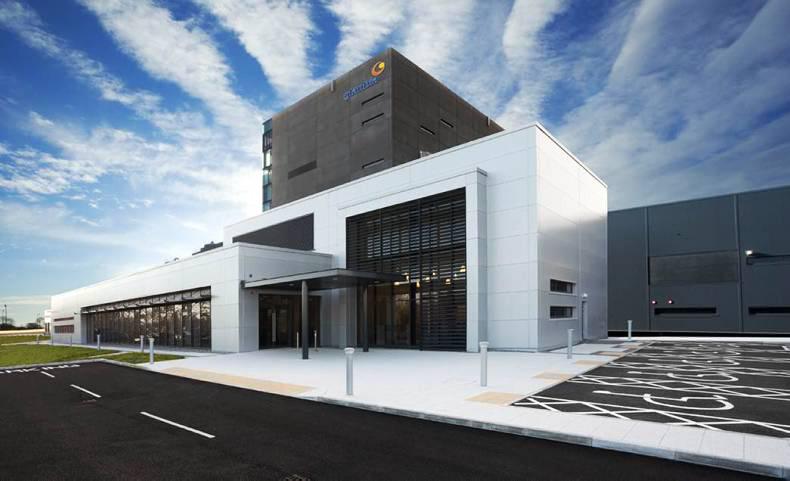
Therefore, the IDA acquires land and then holds on to it until somebody wants it. The land on which Glanbia built its Belview facility, for example, was acquired by the IDA several years before.
As part of the process, the IDA acquires or purchases land and then sells it to a company. The lure for the prospective investor is not the price but rather the portfolio from which it can draw.
So, in total, how much land does the IDA actually own?
“IDA currently has approximately 770ha of land lettings,” the spokesperson said.
So the IDA has 770ha or 1,902ac of land just sitting there waiting to be snapped up by the next Google, Facebook or Microsoft. This vast volume of land is from all corners of the country. While the IDA works away to deliver foreign direct investment, what happens to the land?
Again, the spokesperson explained: “From time to time, tenders are sought by IDA for land lettings mainly for grazing, hay and silage use. This is done to maximise the commercial return to the State of land holdings while they are been marketed for enterprise development purposes. These short-term letting agreements can be terminated with 30 days’ notice at any time should the land be required for an overseas company.”
Essentially, the land is leased back to farmers who can farm away until the land is required.
Access to land
It has not been all plain sailing for the IDA with regard to accessing land. The IDA acquired the vast majority of its land through private treaty, compulsory purchase order was used just one once. However, one farmer in Co Kildare has been fighting against the IDA, which has been attempting to acquire his 72 acres of land and 18th century house.
It is understood that computer software giant Intel is keen on the land, which would form part of a major new development at the site. It is estimated that 6,000 jobs could be created from the investment.
However, the farmer has been putting up quite a battle to hold on to his home and farm, despite a generous relocation package. One court has already ruled in favour of the IDA but the farmer remains defiant and is continuing his case.
Teagasc, too, has been at the centre of some attention regarding the IDA and its land acquisition model. Back in 2007, the IDA paid a reported €36m for a 240ac plot in Athenry, Co Galway, owned by Teagasc. The IDA subsequently built an access bridge at a cost of €2m. The IDA then leased it back to Teagasc with an annual rental of over €17,700 per annum.
The IDA had hoped that a major foreign investor would buy the site. However, eight years on, the site remains unsold and part of Teagasc.
In February 2015, it was announced that Apple was building a €850m new data centre, also in Athenry, after the IDA had acquired 500ac of lands from Coillte. One-hundred jobs will be created once construction is complete.
Overall, the IDA needs a land bank. If a major investor comes to the country and wants to build a new facility, creating hundreds or thousands of jobs, then the country must have the capabilities to help the investor and find a suitable location.




SHARING OPTIONS